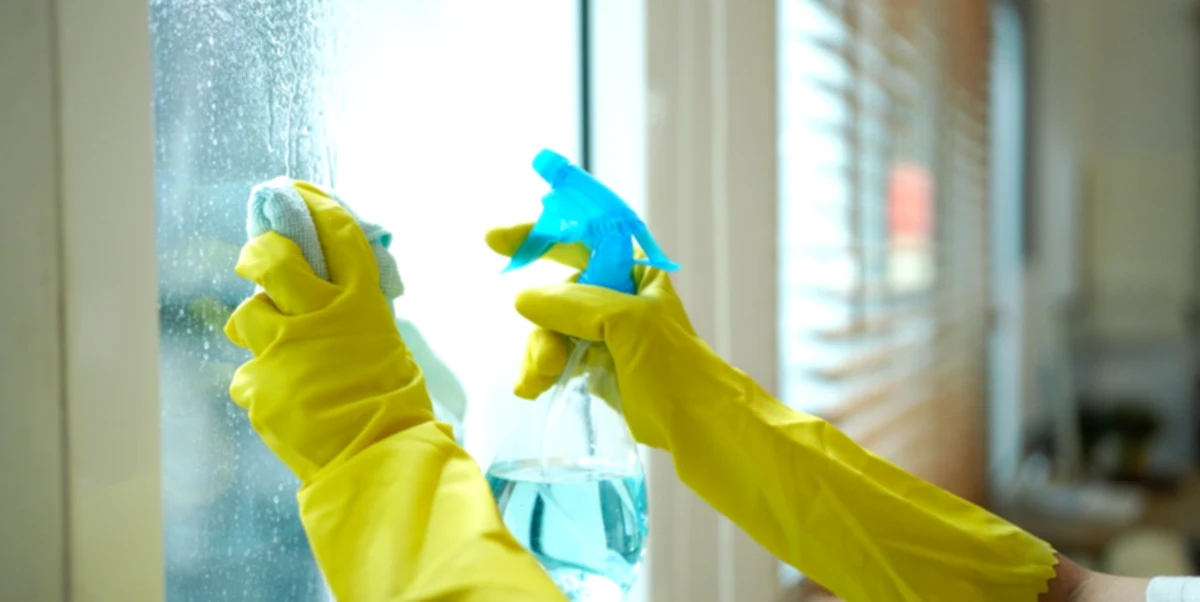

According to CNN, researcher at Washington State University Patricia Hunt has found reproductive issues in mice as a result of chemical exposure to quaternary ammonium compounds ( QACs ).
This finding is in line with their earlier studies on bisphenol A ( BPA ), which found similar negative effects.
Tertiary nitrogen compounds are frequently used ingredients in cleaning and disinfecting products, including baby wipes and hydroalcoholic gels. Although generally thought to be safe, recent studies have questioned their safety, particularly in settings where they are often used.
immediate challenges and health results
Research has demonstrated that QAC exposure can lead to issues in the defense, breathing, and reproductive systems. Additionally, it has been discovered that these substances may build up in important organs, which could have a bearing on how fertility and other health conditions are mediated.
Experts warn that QACs could turn into a new dangerous story, related to BPA and other dangerous chemicals. Industry representatives continue to assert that the latest reports do not support concern over the health hazards linked to these substances.
long-term results of these substances
After repeated publicity, quaternary ammonium compounds, which are found in a lot of disinfectants and cleaners, you generally lead to effects at the webpage of contact: skin dermatitis or dermatitis, eye dermatitis, and breathing issues. Specifically related to asthma or worsening respiratory symptoms is occupational inhalation coverage.
potential long-term results
What is proven
Not all quaternary ammoniums have the same toxicity, and the risk depends on the substance, concentration, route of exposure, frequency, ventilation and use of protection. For several common compounds, regulatory evaluations have found no convincing evidence of carcinogenicity, genotoxicity, or significant systemic effects when used as directed; The critical effects described are mainly irritation of the skin, eyes and respiratory tract.
How to reduce risk
Although it does not correspond to the common form of common exposure, ingestion of concentrated products or extreme exposure may be a health emergency.
Customer advice
Specialists advise checking the labels on products that say they are antibacterial or sanitizers and recommending safer alternatives like hydrogen peroxide.
The most effective alternatives to quaternary ammonium compounds typically include citric acid, sodium hypochlorite, hydrogen peroxide, peracetic acid, and, in some uses, ethyl or isopropyl alcohol; for disinfection without residue also highlights UV-C light
Consumers are advised to decide between when soap and water are satisfactory and when disinfection is actually needed.
You might also be interested in:
Which kind of wine is stronger: light, apple, or fruity? Pet allergies are not caused by their locks; rather, they are the product of someone else's.