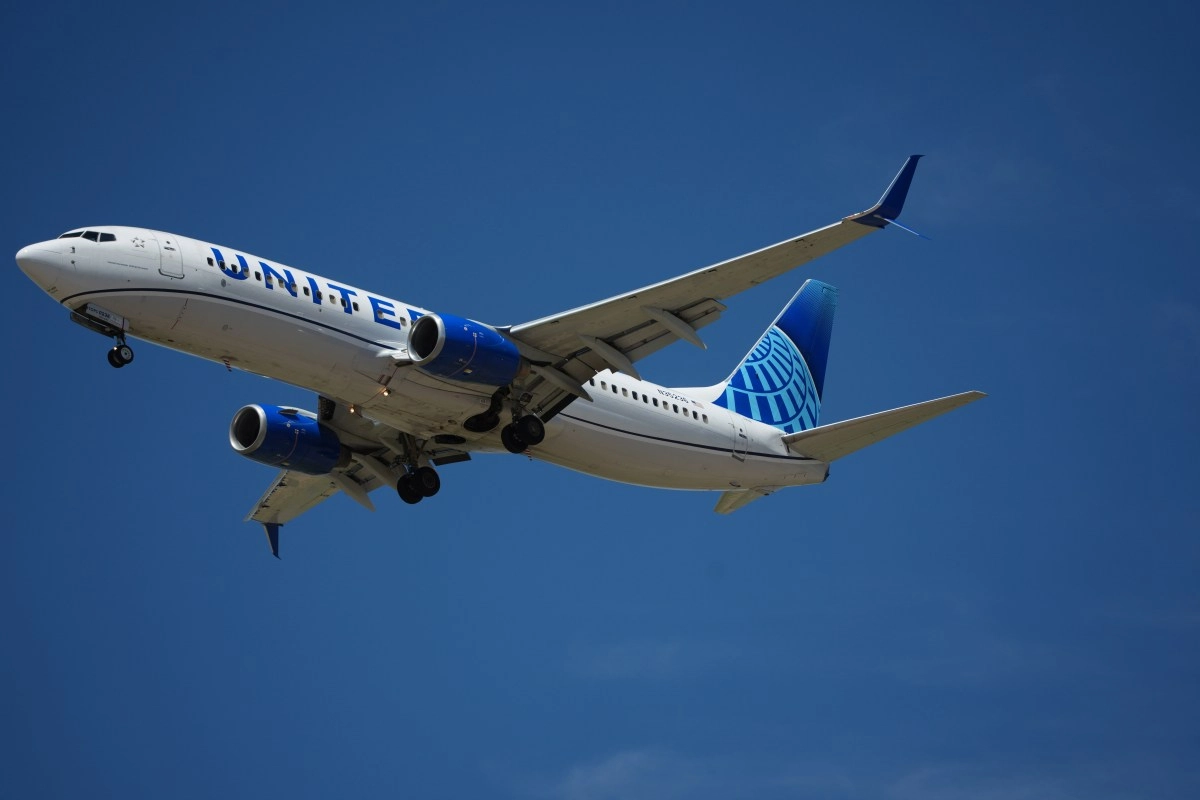

A United Airlines flight bound for Spain had to make an emergency return to the United States after a Bluetooth device identified with the word “Bomb” activated the security protocols of the airline and the airport authorities, causing the interruption of the journey when the aircraft was already over the Atlantic Ocean.
The incident occurred on Saturday on flight UA236, which took off from Newark Liberty International Airport, in New Jersey, at 5:58 p.m. bound for Palma de Mallorca. Approximately two hours after takeoff, the crew ordered all passengers to immediately turn off their Bluetooth devices after receiving an alert related to flight safety.
According to passengers, flight attendants explained that the instruction came from United Airlines' operations center in Chicago. The crew warned that if the device was not identified or all Bluetooth connections were not disabled, the plane would have to return to its starting point.
After several calls and a final one-minute warning, at least two devices continued to emit signals. Given the impossibility of immediately identifying the origin of the alert, the pilots decided to turn around and return to Newark following the protocols established for possible threats to air safety.
The situation was clarified after a recording of communications between the cockpit and air traffic control emerged. It mentions that the concern arose from a device identified with a “four-letter word.” Passengers and specialized media later indicated that the visible name was “Bomba”
Technology experts remember that any user can modify the visible name of Bluetooth devices, such as mobile phones, headphones or wireless speakers, and that said name can be detected by other nearby devices when the function is activated.
After landing in Newark, security agents evacuated all passengers with their phones and travel documents while specialized teams inspected the aircraft. Finally, the authorities determined that there was no explosive device and that the alert had been caused solely by the name assigned to the device.
Various American media, including ABC News and CBS News, reported that the person responsible would be a 16-year-old teenager, who was detained for questioning. So far the charges that could be faced have not been formally announced, although specialists in aviation law point out that false security threats can lead to civil and criminal sanctions, in addition to important financial claims for the operational costs generated.