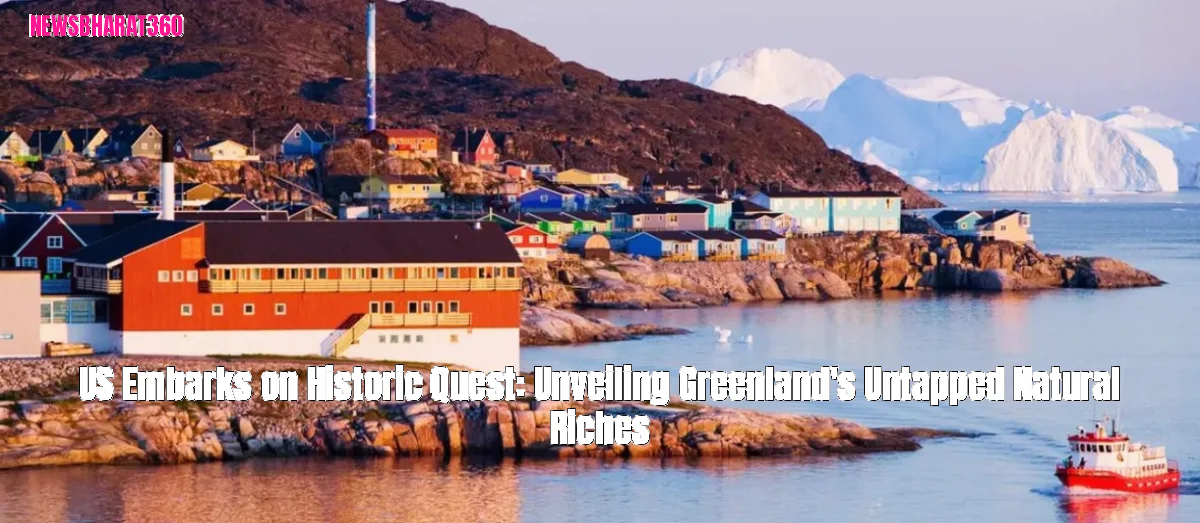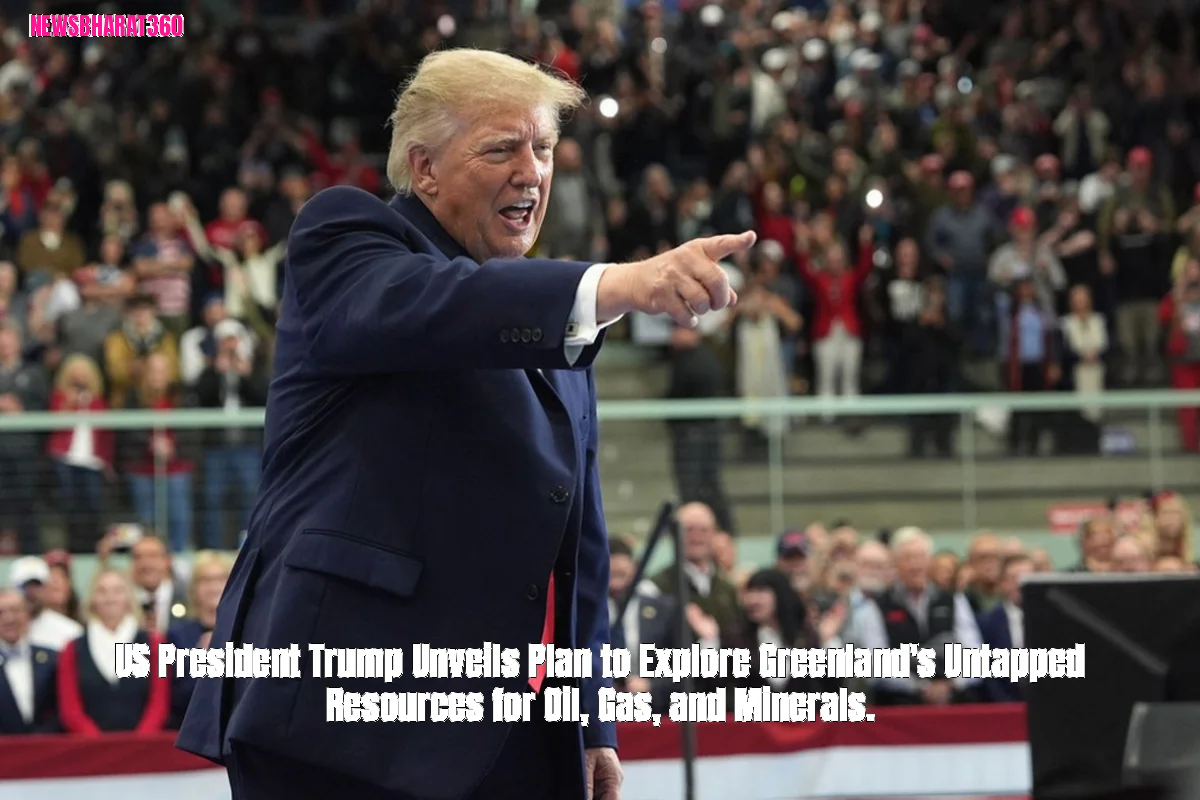

US President Donald Trump announced plans to lead an expedition to Greenland's largest island, aiming to explore potential oil, gas, and mineral reserves in the Arctic and Atlantic Oceans, citing security interests for Denmark and Greenland. However, local authorities swiftly rejected the proposal.
A recent publication by an 80-year-old Republican on the Truth Social platform highlighted the potential for exploring Greenland's natural resources, a territory that was previously considered for possible annexation by the United States.
Experts contend that the readily accessible oil reserves in this territory significantly surpass those of nearly any other global region, and from a strategic perspective, its unique position provides the United States and Europe with unparalleled security advantages in both defense and deterrence.
The United States has established a robust defense system in Greenland, designed to intercept and neutralize any incoming threats, including drones, missiles, and advanced weaponry, thereby safeguarding the country from potential future attacks.
The location offers unparalleled time, visibility, and accessibility.
Greenland's deputy mining minister, Jørgen Hammeken-Holm, expressed skepticism during a CNN interview regarding President Trump's plan to search for potential resources beneath the island's thick ice cover.
The development of a comprehensive exploration project is still in its early stages, with numerous smaller initiatives currently underway. However, significant progress is likely to be a long-term goal, potentially requiring several years to achieve.
The United States secured the right to station troops in Greenland under a deal negotiated by Donald Trump, but no agreement has been found to permit exploration or drilling on the island to assess its potential for oil reserves.