Did credit card companies actually reduce the rate to 10% as Trump demanded?
In early January, Trump demanded that credit card interest rates be reduced to 10% within a year by January 20: Did the banks comply with this demand?
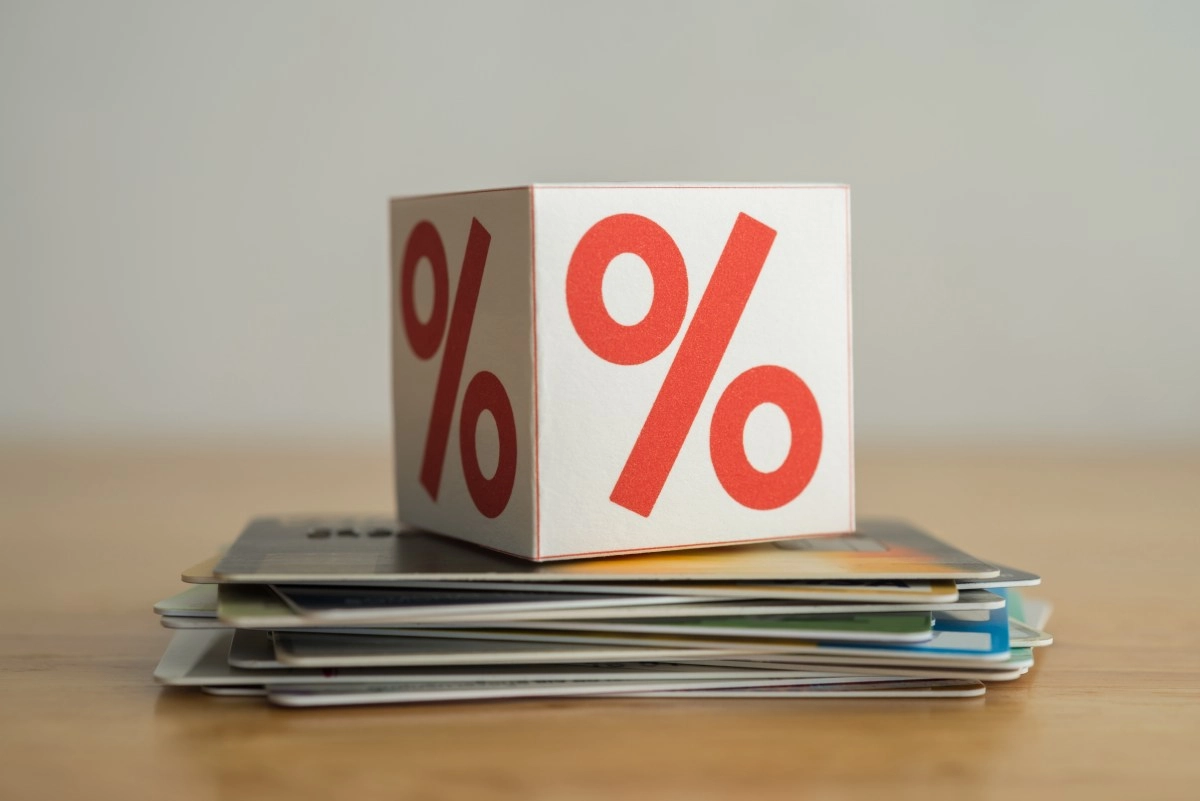
The truth was completely unique when millions of Americans checked their accounts on January 20 and anticipated a historic decrease in the interest rates on their credit cards. The President Donald Trump's proposal to have a 10 % highest interest rate sparked great expectations. Interest rates were only hardly budged when the crucial time arrived, though. Was the political requirement actually met with credit card companies, as the question inevitably arises?
Trump had made it known that rates, which typically range between 20 % and 30 %, should be cut in half. His visit was intended to lessen the strain on working families financially. The launch date was set for January 20th, which occurred on the anniversary of its opening. The estimate appeared almost certain, at least in his speech.
" I haven't seen any media releases. Not a second whisper was said by Bankrate's Stephen Kates, a financial analyst, in response to the lack of action in the finance sector regarding a price cut. I wouldn't hold my breath if I could see someone hoping their statement would drop from 20 % to 10 %.
Very near to historic highs, average prices are still close to 19. 6 %.
Trump steadfastly opposed his position. He stated on January 12 that violating the helmet would be against the law for businesses. However, other individuals in Washington emitted opposing impulses. Democratic officials and leaders in their own management expressed reservations about the effects of such a small cap.
A 10 % cover, according to House Speaker Mike Johnson, could have "negative side effects. "
Among them, restricting access to credit for people with low credit scores.
According to Mike Pierce, chairman of Protect Borrowers," It seems that they are ignoring it, as well as they are being told to ignore it from the highest levels of economic policy. "
Time Afterwards, Kevin Hassett, the chairman of the National Economic Council, changed the topic of discussion to a request for a special cards for people with bad credit. The Consumer Federation of America's director of financial companies, Adam Rust, said," A change like this doesn't happen with just a tweet. " A required cap would need parliamentary approval, which has not yet been done, he added. A 10 % cap may be "devastating for millions of families and small businesses" that rely on record, according to several organizations. They contend that higher prices may be justified by the risk of definition. In the third quarter of 2025, the total credit card debt in the United States reached$ 1. 2 trillion. According to an analysis from LendingTree, it increased by 60 % in just four years. This reflects greater access to credit, in the eyes of lenders. A growing problem for buyers.
A 10 % cover had, according to an economy study, exclude those with scores below 740 from the market. Between 175 and 190 million people make up that population.
The Consumer Bankers Association director Lindsey Johnson remarked," It's not a one-size-fits-all practice. "
Consumer advocates still think the controversy is important. Rust noted that the beneficial aspect of it is that it raises awareness of how many people are making loan payments.
It is entirely dependent on you to manage your credit cards and debt, not on laws or problems between the government and banking institutions. Banks will not accept these kinds of steps, after all, after making millions of dollars off of people like you who don't understand how to use their cards properly and excessively.
You might also be interested in:
This news has been tken from authentic news syndicates and agencies and only the wordings has been changed keeping the menaing intact. We have not done personal research yet and do not guarantee the complete genuinity and request you to verify from other sources too.