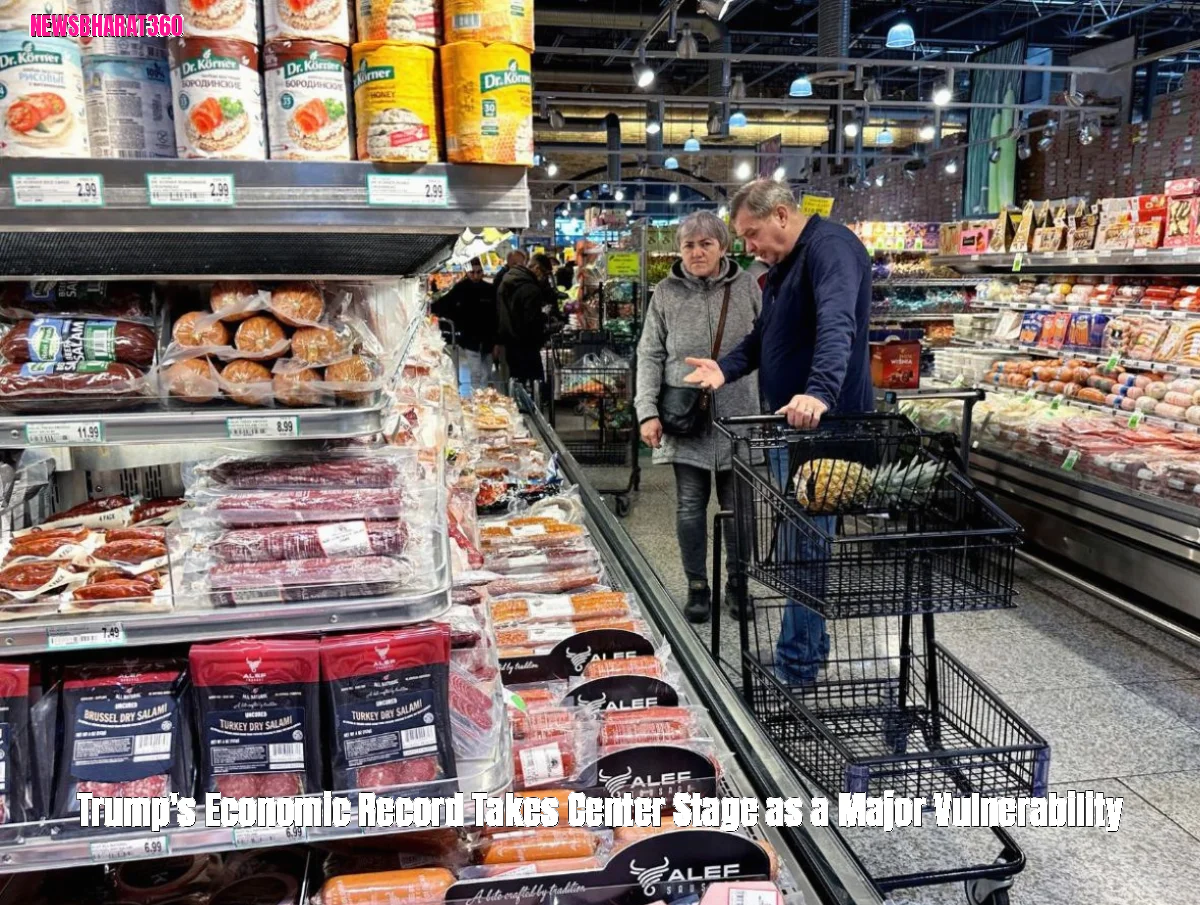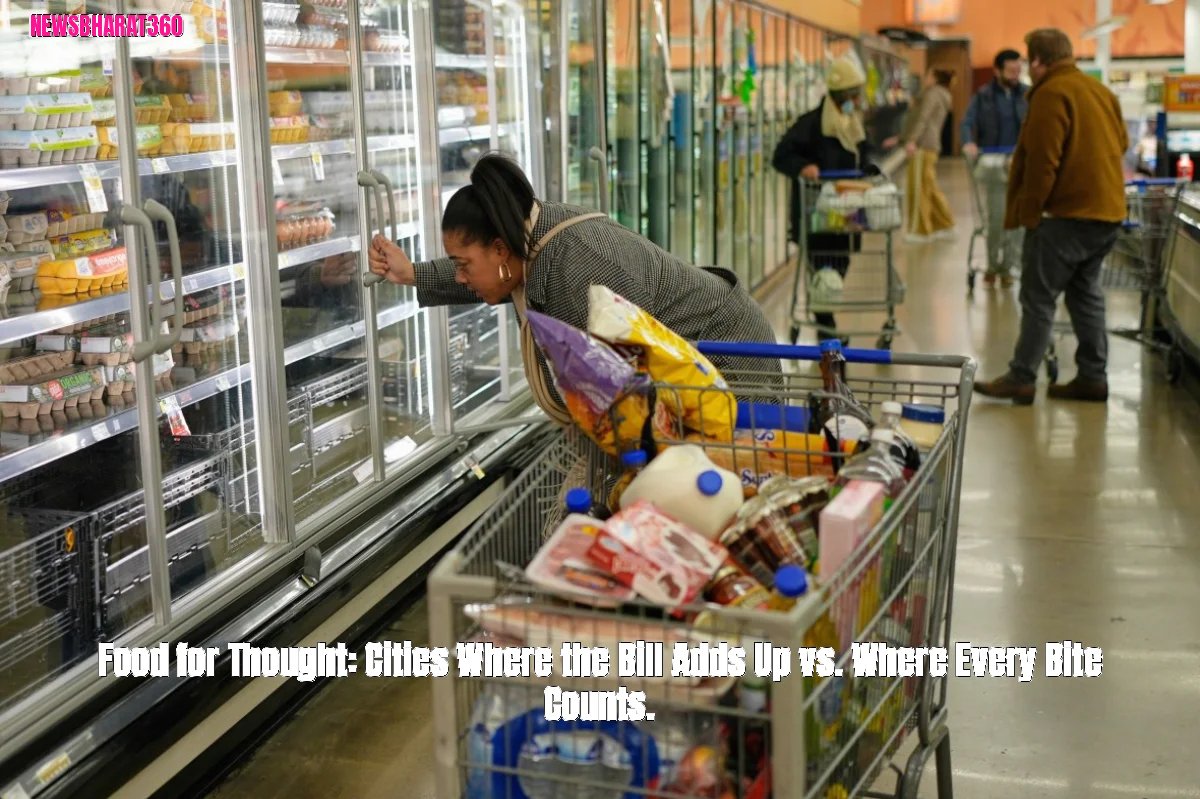

The United States experienced a notable increase in the cost of food, with the annualized inflation rate reaching 3.0%, driven by a rise in overall inflation to 3.4%. This surge in inflation has led to increased consumer spending on commodities.
Data from the Bureau of Labor Statistics indicates that food prices experienced a notable increase, with home-cooked meals rising by 2.7% and food consumed outside the home increasing by 3.4%. In response to these rising costs, personal finance company WalletHub conducted an analysis to identify cities where residents spend more and less on food.
Residents in cities where food expenditures are highest often have limited financial resources and are burdened by high prices for essential commodities, according to Chip Lupo, a WalletHub analyst.
Researchers at WalletHub conducted a comprehensive analysis to identify cities where food is relatively more affordable compared to others. The study involved comparing prices of at least 26 essential grocery items across 100 cities nationwide, with the total cost of groceries calculated relative to median family income.
Shoppers are advised to capitalize on available discounts and promotions, opt for generic products, and consider purchasing in bulk to minimize expenses. Additionally, using a credit card that provides attractive rewards for grocery purchases and paying the full balance each month can be a cost-effective strategy.
A recent study revealed significant disparities in food expenditure among US cities, with Detroit residents facing the highest burden, with an average food cost exceeding 4% of household income. Conversely, Fremont, California, recorded the lowest food expenditure as a percentage of income, with residents allocating less than 1% of their income towards food.