
Medical expenses remain a significant economic burden for American households, with millions of older adults facing substantial costs for healthcare coverage and medical care. Any direct assistance to this demographic could provide substantial relief, but its actual impact would depend on the extent of their current financial obligations.
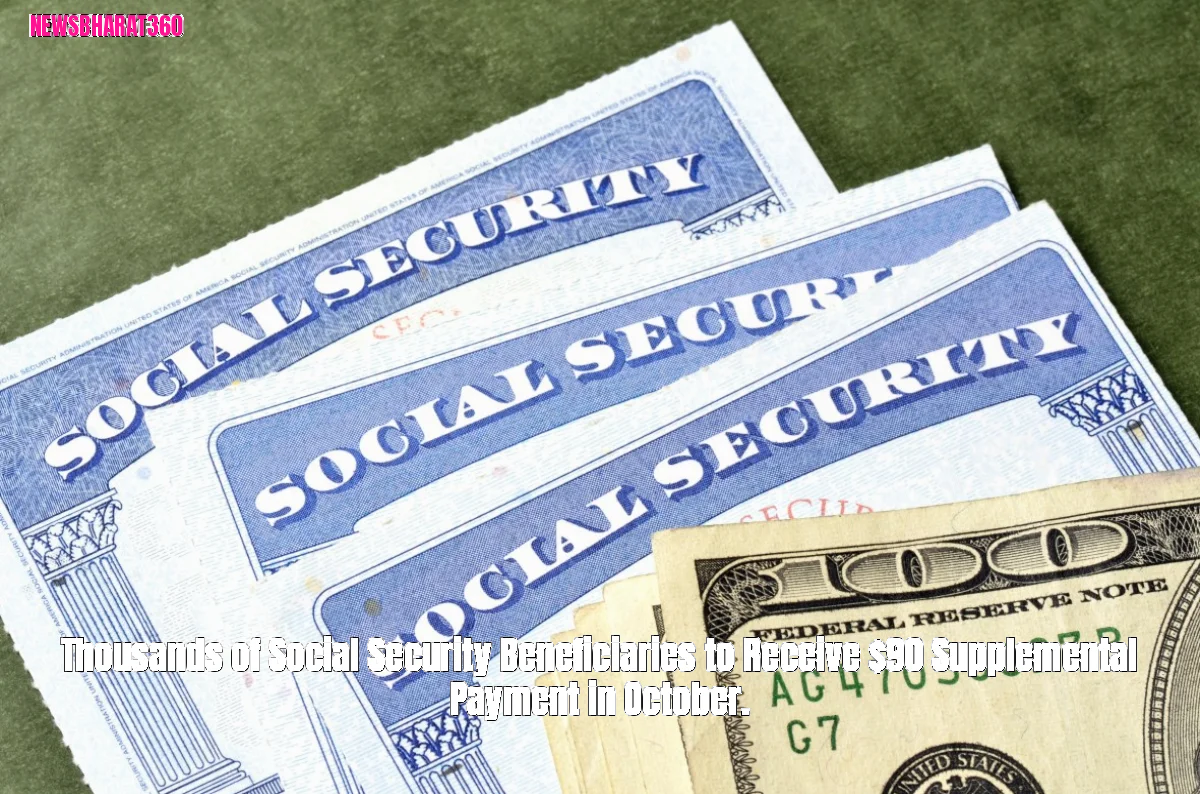
The Trump administration has announced plans to disburse approximately $90 checks to over 20 million Medicare beneficiaries enrolled in specific Part B plans, commencing this month. The payments will be made via direct deposit, with distributions expected to commence in early October.
The White House has introduced a measure aimed at lowering healthcare expenses as part of the administration's broader initiative to reduce government healthcare expenditures.
The White House has stated that President Trump is implementing his pledge to lower healthcare costs for American patients by prioritizing their needs and addressing the influence of special interests that have historically driven up healthcare expenses in the nation's capital.
A $90 payment is being targeted towards elderly individuals enrolled in traditional Medicare with Part B coverage. However, not all beneficiaries will be eligible for this payment, as certain groups are excluded from receiving it. These groups include individuals whose Medicare premiums are determined by their income and those who receive Medicaid assistance to cover their premiums. Additionally, recipients of Medicare Advantage plans are also ineligible for this payment.
Approximately 40 million Medicare Part B beneficiaries are ineligible to receive the benefit due to not meeting the established requirements.
The payment is scheduled to be made several weeks prior to the November 3 midterm elections.
Senator Ron Wyden, a Democrat from Oregon and a senior member of the Senate Finance Committee, characterized the $90 payments as an attempt to improperly influence the American public.
Healthcare policy specialists suggest that the proposed check may provide some relief, but it is unlikely to offset the substantial rise in medical costs. Medicare's Part B premium, which encompasses services including medical consultations, outpatient care, and preventive screenings, is projected to increase by over $200 annually by 2026. Additionally, forecasts indicate a separate $79 increase in premiums for the upcoming year.
A one-time $90 payment under the new plan proposed by the Trump administration may offer temporary relief, but it may not be sufficient to cover rising costs for essential expenses such as fuel, home heating, groceries, and mortgage payments this winter, according to Juliette Cubanski, vice president and director of KFF's Medicare Policy Program.
A recent analysis by the Kaiser Family Foundation found that nearly one-third of Americans reported forgoing or postponing medical care in the past year due to financial constraints.
The Trump administration initiated the distribution of additional payments related to the Affordable Care Act on September 30. Approximately one million individuals who enrolled in ACA plans through federal markets administered by the Centers for Medicare and Medicaid Services (CMS) this year will receive payments totaling around $500.
The payments in question are intended as refunds for individuals who have been overcharged and did not receive subsidies through the Affordable Care Act.
A recent analysis by the Kaiser Family Foundation suggests that the average premium increase for health insurance affiliates in 2026 may be offset by the value of a relief check. However, the increase in premiums, which totals $780 on average, or 58% more than in 2025, raises questions about the actual relief provided to households. The premium increase is partly attributed to the expiration of expanded tax credits for Affordable Care Act premiums.
According to Cynthia Cox, senior vice president and director of KFF's ACA program, individuals purchasing health insurance on the open market are facing significantly higher costs this year compared to the previous year. While some may benefit from the increased subsidies, receiving a $500 check will not be sufficient to offset the total increase in their expenses for the majority of individuals.
Older adults are cautioned to thoroughly review their email and bank notifications during the open registration period to avoid overlooking potential checks, as the volume of correspondence may lead to some payments going unnoticed.
Additional stories of interest may be found below.