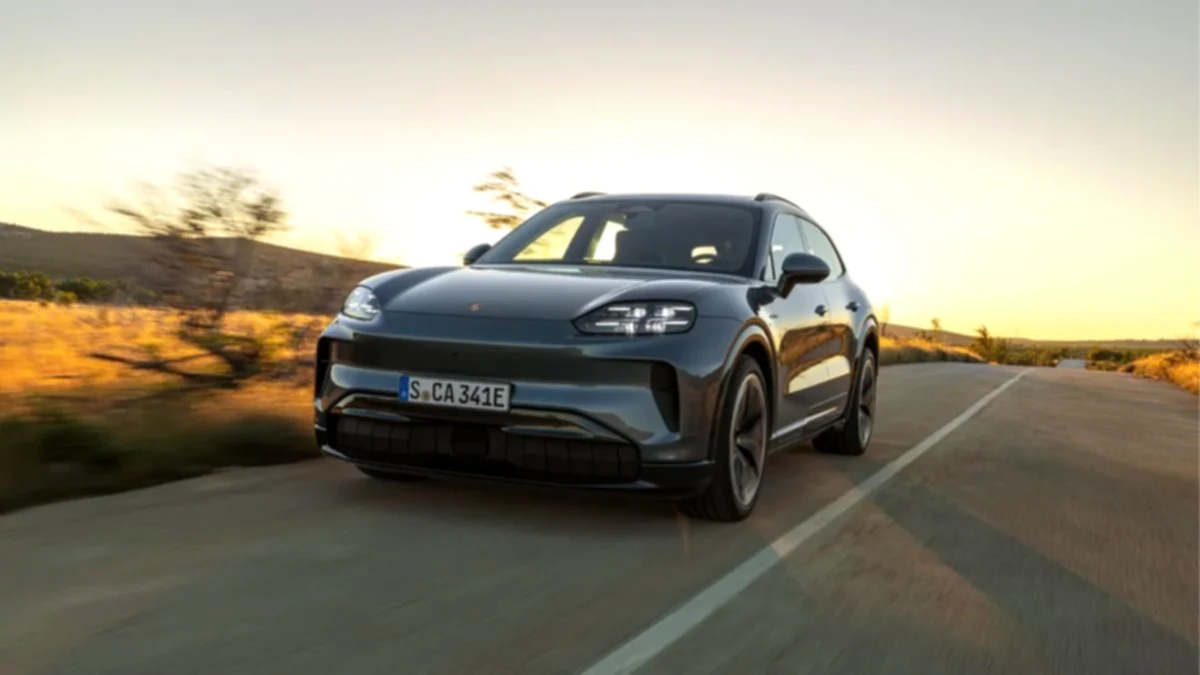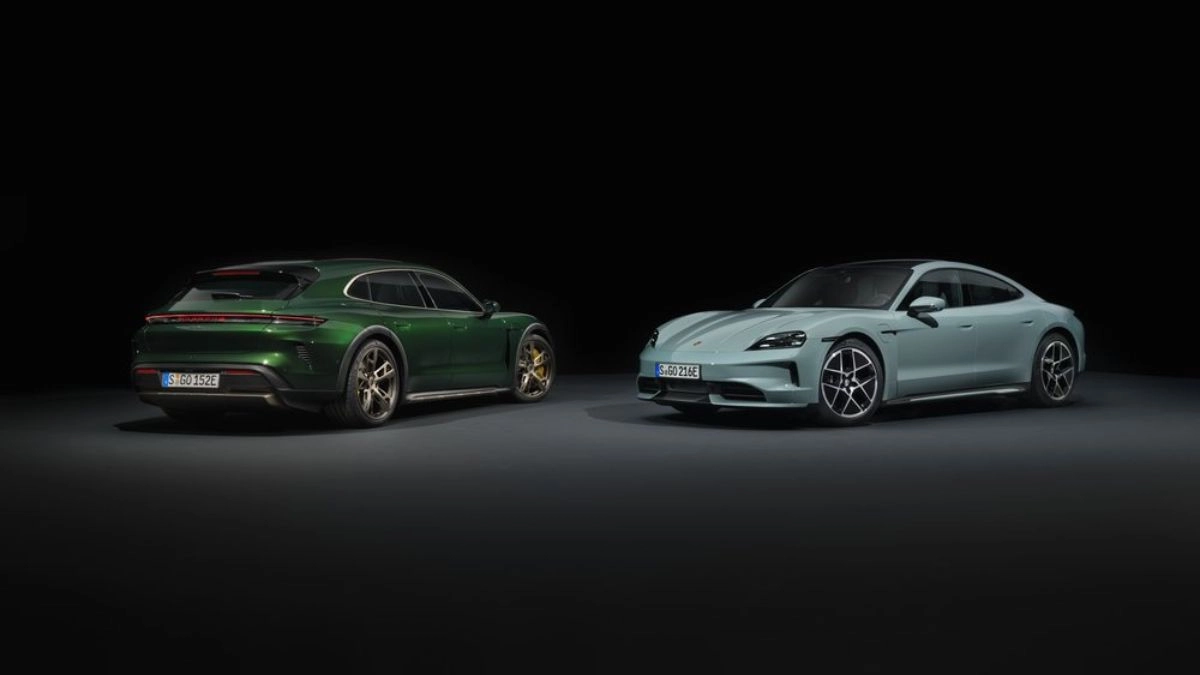

Porsche is going through one of the most exquisite times since making the decision to put a lot of money on electricity. The Taycan, one of the most popular luxury electric designs on the market, is now forcing the German company to take drastic measures to adjust to little lower-than-expected demand.
Read more about how Dodge creates a new sports vehicles in the Viper.
After verifying that involvement in the energy sedan's production has decreased since its first few years, the German company has cut the number of units produced at its Stuttgart plant. One of the company's job shifts was eliminated, and the model's assembly line was left on one operational line.
Read more about a major health issue that affects tens of Acura and Honda vehicles.
The change reflects the complex situation that the prime electric vehicle market is currently in. Although electric flexibility is expanding across the globe, it is not as hard as brands had predicted before this decade.
The Taycan went from a business victory to a halt in sales.
Porsche immediately responded when the Taycan was introduced. Its sold more than 100, 000 units worldwide in just three times, which is a very significant number for a high-performance, high-priced electric car.
The scenery, however, changed immediately. Following a previous year that saw a drop of close to 50 % in some important markets, the model registration rate dropped by more than 12 % last year. China, one of the key economic owners of the Taycan, is now one of the regions where desire has cooled the most.
Porsche's business task has gotten directly impacted by this decline. Any significant decrease in the amount produced has a complete impact on profitability because the European plant's production structure was designed to operate at maximum capacity.
Porsche updated the Taycan, but the industry continued to support the change.
The Taycan's serious professional release also coincides with the sales decline. Porsche made significant changes to the electrical system of the car, including more effective motors, fresh power inverters, and streamlined batteries to improve range and charging speed.
In light of the rising competition in the comfort energy market, the brand hoped that these developments may encourage interest in the model. However, the international context ultimately came to outweigh the mechanical changes.
Many consumers of superior vehicles today appear to be making less educated purchasing decisions based solely on electric vehicles, which is also starting to be a major concern for many European manufacturers.
Porsche's upcoming electric vehicles are now attracted to the problem.
Porsche's employees are concerned about the potential impact of this condition on the company's upcoming electronic launches. For its company, the brand is developing innovative electronic versions of the most popular SUVs, the Macan and the Cayenne, which have previously provided a significant portion of its international sales.
In addition, the bank's administration is negotiating with employee representatives to restructure a portion of the staff who has been impacted by the decreased activity at the Taycan plant. The goal is to relocate workers to the combustion engine production lines, where there is still a lot of demand.
Porsche's issue is that the Taycan's braking could have an impact on its overall electric strategy in the upcoming years.