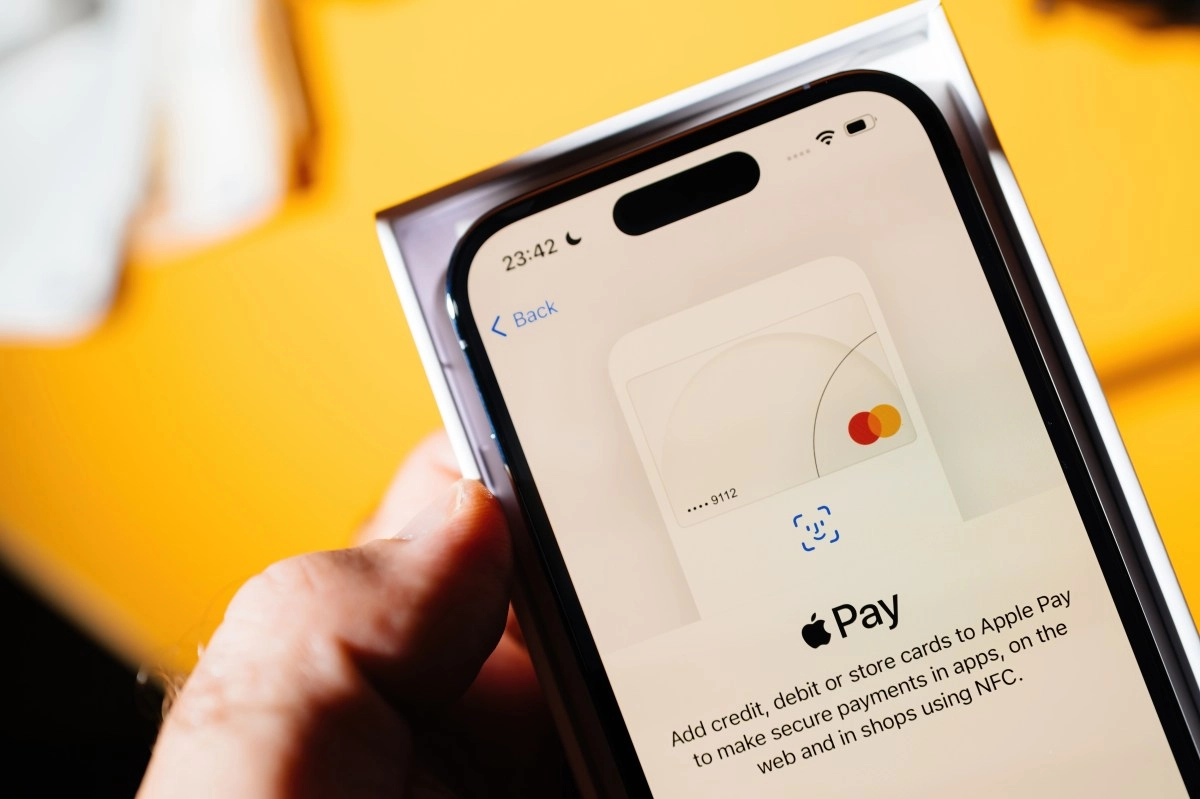

Although Apple Pay can be very secure, scammers are not attracted to the" system," but rather to you, your thoughts, and your choices. ESET has been informing consumers that the most prevalent Apple Pay scams typically target income, financial data, or 2FA code access, by utilizing social engineering rather than complex flaws.
In 2026, hacking, false receipts, and imitation were the most common Apple Pay scams.
Phishing is the most prevalent technique: sending fake emails, texts, or calls pretending to be from Apple, your bank, or" support" with the justification that you need to check things "right now. " The hook may include a refund, a reward, a" suspension" to an account, or even a warning that your cards will be blocked if you don't verify your information.
The most dangerous scenario occurs when your data is being "validated" by an attacker who uses your identity to "validate" it, but the scam is attempting to put the card to someone else's wallet and needs you to provide them with the one-time code that your bank has sent them. In other words, hacking doesn't just steal usernames; it can also lead to a legitimate use of your payment process if you unintentionally cooperate.
In addition, there is the bogus certificate scam, which is gold for buy-and-sell scams: they promise to pay you a screenshot of what allegedly happened to you using Apple Pay and agree to purchase something from you. The catch is that Apple Pay doesn't function as an escrow services, so the story is typically true theatre to get you to hand over the product; instead, they occasionally embellish it with the claim that the money is "pending" or "in escrow" until you ship the product and share the tracking number.
Fraudulent Marketplace Uses of Apple Give
ESET describes a few common scams that can be found on buy-and-sell platforms when you're selling something, especially expensive items.
The fake buyer in the" Marketplace" scam uses stolen cards from Apple Pay to pay you for a product, you ship it, and the real cardholder later disputes the charge. The transaction "disapppears," and you have already received the product. Overpayment is another technique, which involves "paying" but sending you more money than you should before asking you to pay back the difference ( often by compulsion to use Apple Cash or another app ). The problem is that you end up losing both the returned item and the initial payment because it typically comes from a stolen card. Unsolicited payment: You receive a payment "out of the blue," and they contact you to ask you to return it using another method ( Apple Cash, gift cards, or another way ). This is the even more engrossing variant. Again, the system makes use of funds of fictitious origin and the fact that the "refund" you receive is legitimate and comes from your own pocket.
Public Wi-Fi and Apple Pay: The" Evil Twin" Trap to Take Your Apple ID and Empty Your Businesses
ESET also mentions the danger of manipulated public Wi-Fi network known as "evil sisters," a false system that imitates the real one in places like coffee shops or airports, despite the fact that it may seem less frequent than hacking.
The intention is not to "break" Apple Pay, but rather to capture or redirect your surfing to a fraudulent website ( such as an Apple's display ) and take your Apple ID and password. A simple "free" relationship can become the beginning of a serious issue if an intruder uses these qualifications to attempt to access your account, change files, or abuse access to payments.