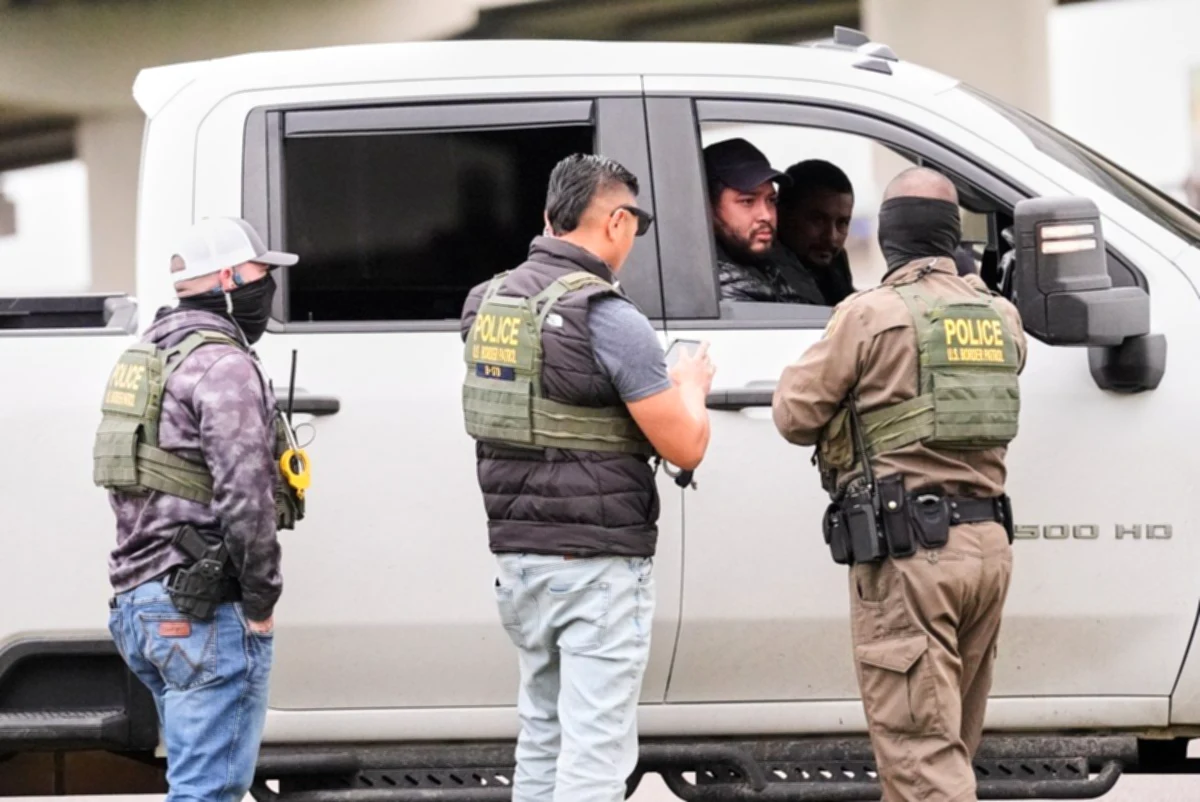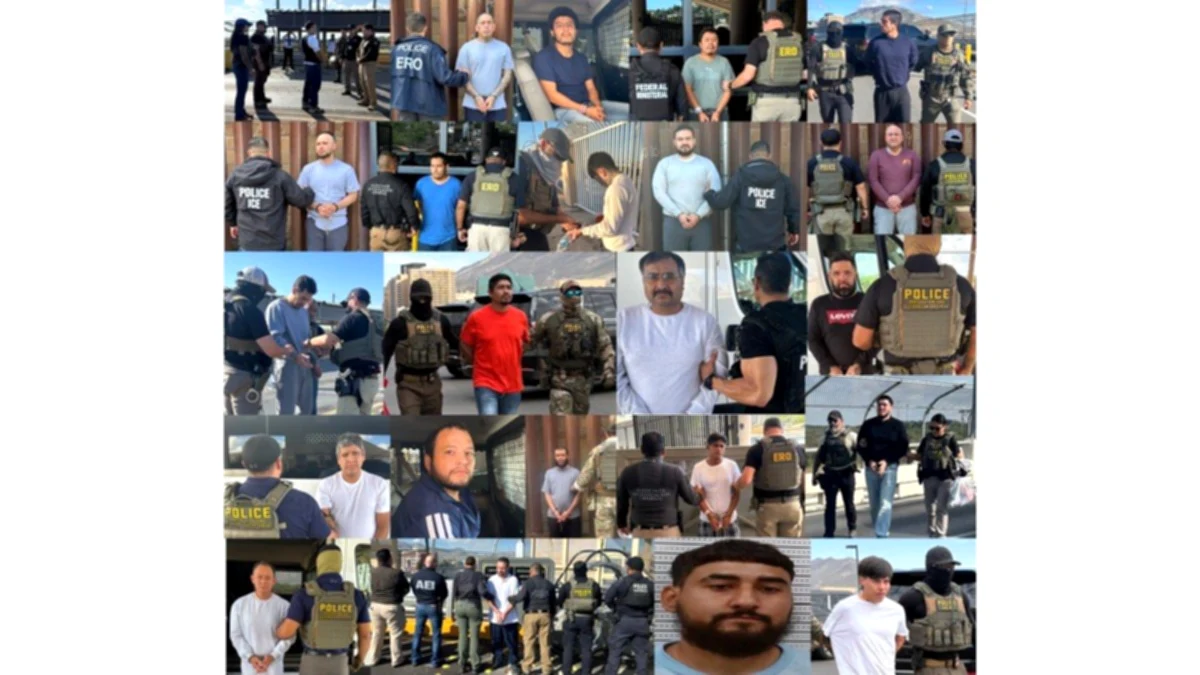

Vehicle stops have become one of the most controversial points of migration operations in the United States. After several encounters that ended with shooting drivers, an internal ICE memorandum sets limits for its agents: specific training to stop cars and a ban on chasing those who don’t stop.
The document, dated September 30 and disclosed on Thursday October 1, is addressed to the Detention and Deportation Operations Division, known as ERO. It is signed by Marcus D. Charles, executive associate director, according to The Associated Press, who obtained a copy.
However, there is a difference between how the agency presents the instructions and what the media that accessed the memorandum reports. A senior official told CNN that it changed previous guidelines. An ICE spokesman said, however, that this is a reminder and that it does not change the way the stops are made. The agency confirmed that these will continue.
According to information reviewed by CNN, only ERO agents who have passed any of the six training courses will be able to perform the stops provided for in the directive, including those considered high-risk. Those who do not meet this requirement can only participate as support.
The vehicles used will have to have lights and sirens, and the agents present will have to carry a body camera provided by the agency and keep it activated.
The instruction on persecution is also explicit: if a driver is not stopped, agents must record information for further investigation. The document does not authorize them to initiate a vehicle pursuit, CNN explained in detailing its content.
Renee Good's family sues Trump for ICE shooting in Minneapolis
The memorandumins the possibility of immobilizing a car by means of another vehicle or a physical barrier. It links that manoeuvre with the safety of its occupants, agents and other drivers. Therefore, the prohibition of pursuing does not equate to a suspension of interventions on vehicles.
That distinction is key to understanding the scope of the news: instructions regulate who can intervene and how to do so.
The discussion about these practices had already caused a temporary suspension during the summer. On July 14, Reuters that ICE had stopped after two deadly shootings: one in Houston and another in Biddeford, Maine. Tom Homan, the White House border policy chief, described the move as a temporary pause.
Trump reversed that suspension, according to CNN. Now, the memorandum again focuses on the conditions of the operatives, while ICE insists that its agents will continue to stop vehicles.
In July, two operations separated for about a week ended up killing immigrants: Lorenzo Salgado Araujo, in Houston, and Johan Sebastian Durán Guerrero, in Biddeford, Maine. Both were killed by shootings by ICE agents during interventions on vehicles. The cases led the Department of Homeland Security to temporarily suspend most of these stops, a decision Trump later reversed, according to CNN.
In September, another episode again put these practices under scrutiny: an ICE agent shot and wounded a Venezuelan who worked as a DoorDash distributor in Austin, Texas. Renee Good, an American citizen, was shot dead by an agent in Minneapolis while she was driving. National Security initially argued that he had attempted to use his car as a weapon, but videos and testimonies questioned that version. His family filed two civil lawsuits on October 1.
The report appears in this context. His instructions on training, body cameras and persecution address procedures that can define how an encounter between agents and drivers develops. The stops will continue, according to ICE; the agency says the document reminds its officials of the rules they must comply with.