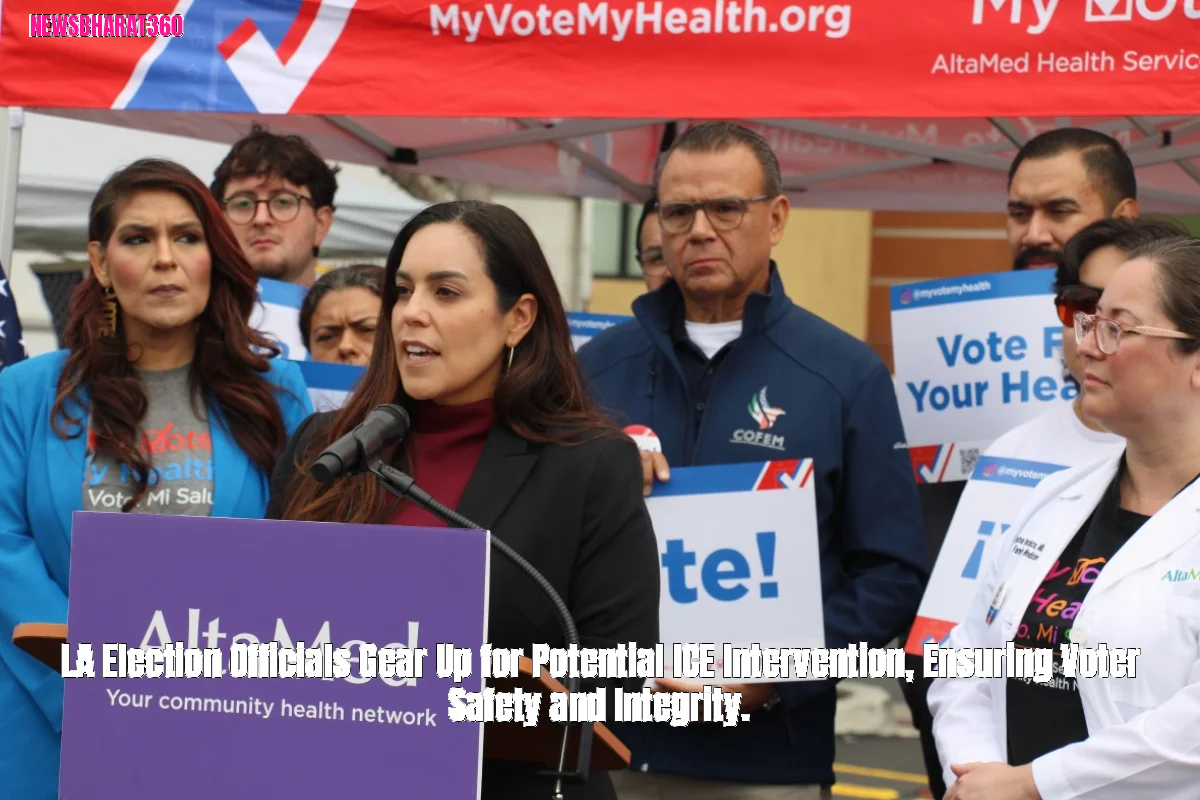

To ensure public safety and maintain order at Los Angeles County polling stations, local authorities, community groups, and election officials have established a protocol to intervene in the event of any incidents or the presence of immigration agents in the area. In such situations, they will be prepared to request coordinated support from local police departments if necessary.
Mónica Flores, Official Registrar, stated at AltaMed's facilities in Huntington Park that the organization has collaborated with local police departments to address incidents. However, she clarified that uniformed officials will not be present at all polling stations due to a law prohibiting their presence, which could potentially be perceived as intimidating voters.
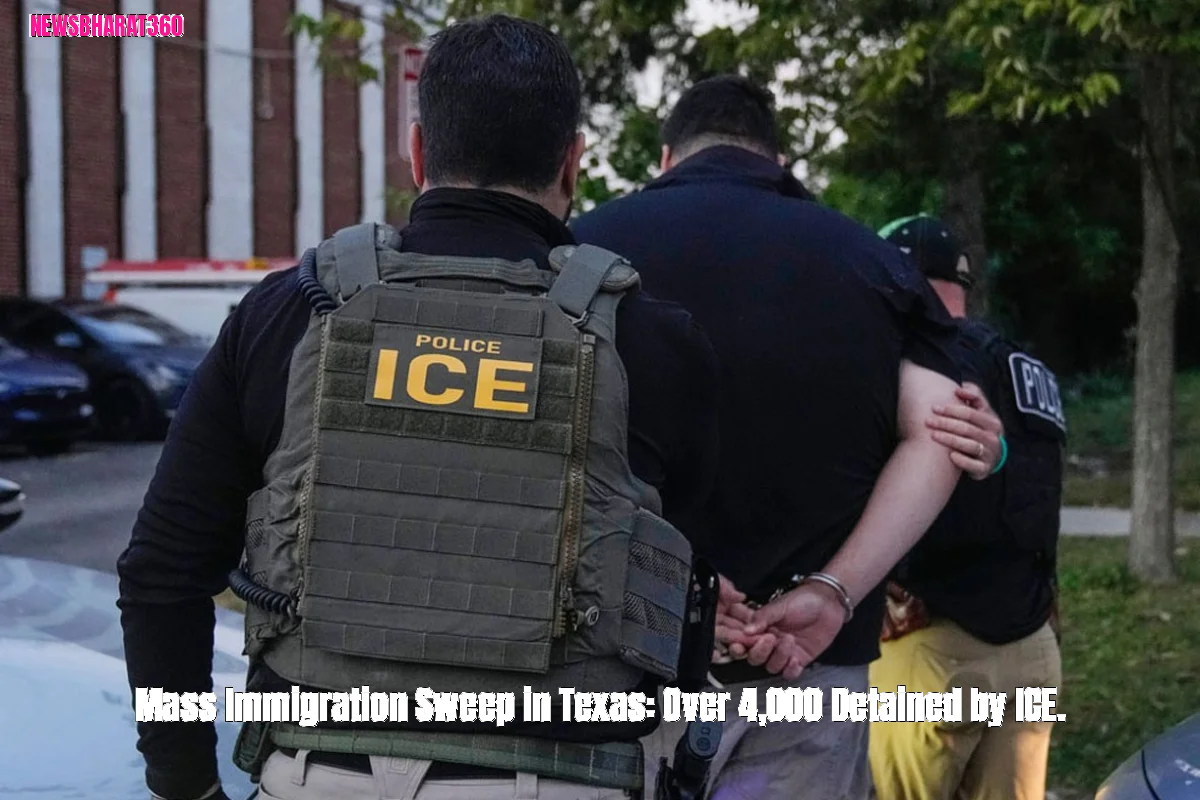
Community organizations will now have a dedicated hotline to report potential sightings of Immigration and Customs Enforcement (ICE) agents. The toll-free number is 1-888-338-8683, providing a direct line for reporting such incidents. Furthermore, trained mediators will be available to assist in de-escalating any resulting stress or tension.
AltaMed, the U.S.'s largest network of non-profit community health centers, along with its community partners, has been promoting the 'My Vote. My Health' initiative since 2018. As part of this effort, officials are encouraging eligible voters in southeast Los Angeles to cast their ballots early, emphasizing the interconnectedness of civic engagement, access to healthcare, and community prosperity.
Lizette Escobedo, vice president of government relations and civic participation at AltaMed, stated that the health network was able to engage approximately 170,000 voters through its efforts during the June primary elections.
A collaborative effort with the Los Angeles County Registrar-Recorder's Office has resulted in the availability of voting options at 14 AltaMed centers within Los Angeles County, as well as in designated locations in Orange County.
In preparation for the upcoming election, a total of 429 official mailboxes were established at the county level for the delivery of ballots, while 646 polling stations were also set up and opened for voting on October 31.
Dean Logan, the head of the Los Angeles County Registrar-Recorder and County Clerk's office, expressed enthusiasm about his experience with the current elections, citing a positive outlook.
As of the previous day, Los Angeles County had recorded over one million voters who had already cast their ballots, with nearly one million submitting their votes by mail and an additional 54,000 casting their ballots in person at polling stations that began operating last week.
Logan views the current trend as a positive sign, noting that voter turnout is slightly higher than it was four years ago during the governor elections. With four days remaining before the election and additional polling stations set to open this weekend, further increases in voter participation are anticipated.
Voters in southeastern Los Angeles appear to be highly committed to participating in upcoming elections, a region where efforts to foster collaboration have long been a priority due to its historically low levels of electoral engagement.
Los Angeles County Supervisor Janice Hahn's successor, Janice's daughter Janice Logan, cast her vote in a mobile voting booth located at AltaMed's facilities.
The South East Los Angeles Initiative, a regional non-partisan civic participation program led by Dr. Wilma Franco, aims to empower communities by providing access to essential information, resources, and opportunities that enable them to make informed decisions about issues impacting their lives.
In a message delivered on November 3, the speaker emphasized the importance of exercising the right to vote for those who meet the necessary requirements. Despite facing challenging times in their communities, where families are confronted with fear and uncertainty, the speaker highlighted the resilience of the community, which comes together in times of need.
Francisco Moreno, Executive Director of the Mexican Federations Council in North America (COFEM), underscored the importance of delivering accurate and multilingual information that takes into account the unique needs and concerns of individuals, including those related to their migration status, language barriers, work schedules, transportation, and the voting process.
The speaker emphasized the importance of civic engagement, stating that voting is a fundamental right that enables individuals to express their opinions and priorities. He highlighted a specific initiative, "My Vote. My Health," which is a collaborative effort with SELA, allowing for direct outreach to communities through trusted organizations and locations, including AltaMed clinics.
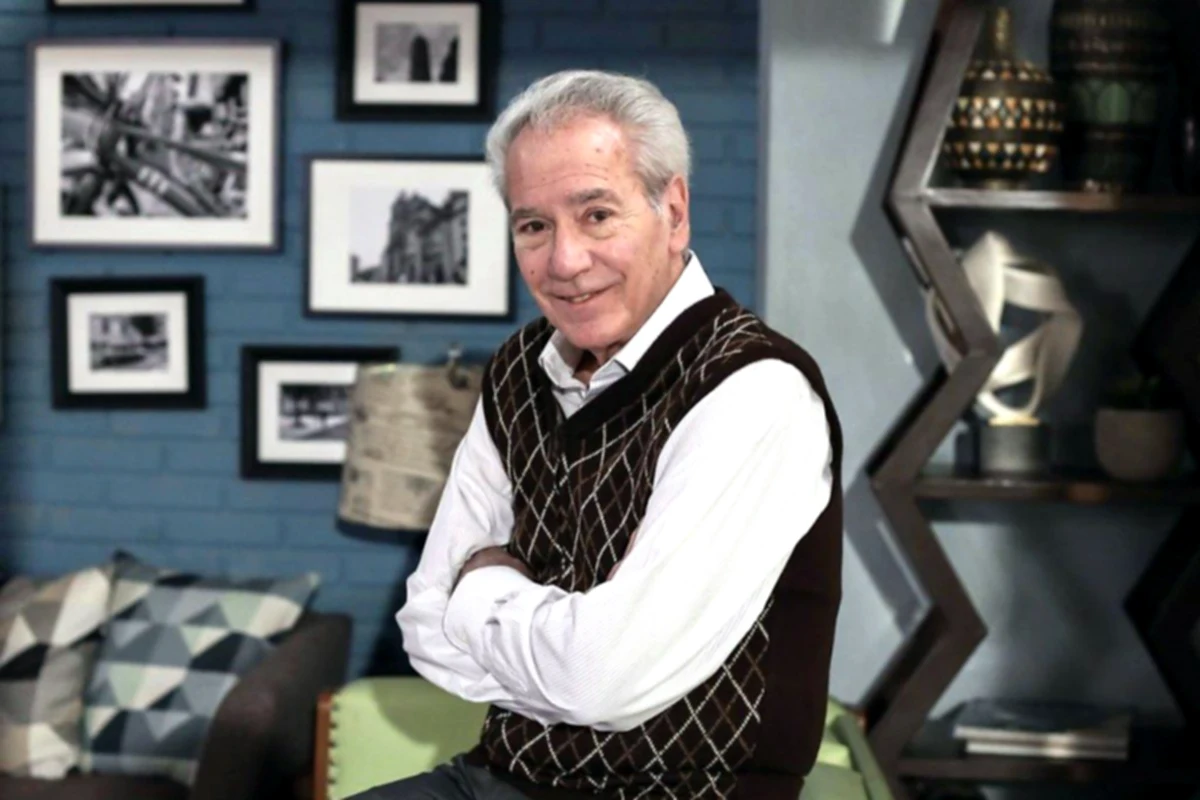
Rafael Martínez, 89, was able to cast his vote with the support of Abilene Ayala, a gesture that reflected his confidence in the voting process.
A man with a positive attitude expressed his enthusiasm by suggesting the phrase "Give it a mole of pot," which is a colloquial Mexican expression conveying the idea of doing something with a sense of humor, promptly and without unnecessary delay.
Dr. Regina Inchizu highlighted the relationship between public policies and patient health at a recent press conference, noting that ICE raids and the resulting fear had a significant impact on clinical attendance in Huntington Park.
A medical professional has expressed deep concern over the far-reaching consequences of inadequate policies, emphasizing the need for healthcare workers to extend their protective role beyond the clinic walls to safeguard patients in their daily lives.
The incident that marked the beginning of ICE shootings in Huntington Park remains a vivid memory for many.
The AltaMed clinic in Huntington Park typically experiences high patient volumes, but it recently fell into an unusual state of inactivity. The clinic's usual attendees failed to appear for scheduled appointments, largely due to concerns about the ongoing immigration enforcement activities in the community. Clinic staff reported receiving frequent alerts about ICE raids in various locations, which further contributed to the decline in patient attendance.
Medical professionals contacted their patients to check on their well-being and inquire if they needed to reschedule appointments to address specific health concerns, including diabetes, high blood pressure, anxiety, depression, and other conditions.
Healthcare staff reported difficulties in communicating with certain patients, and the outcome of their treatment remained unknown. Additionally, some patients expressed fear following ICE raids, which led to a decrease in attendance at scheduled appointments.