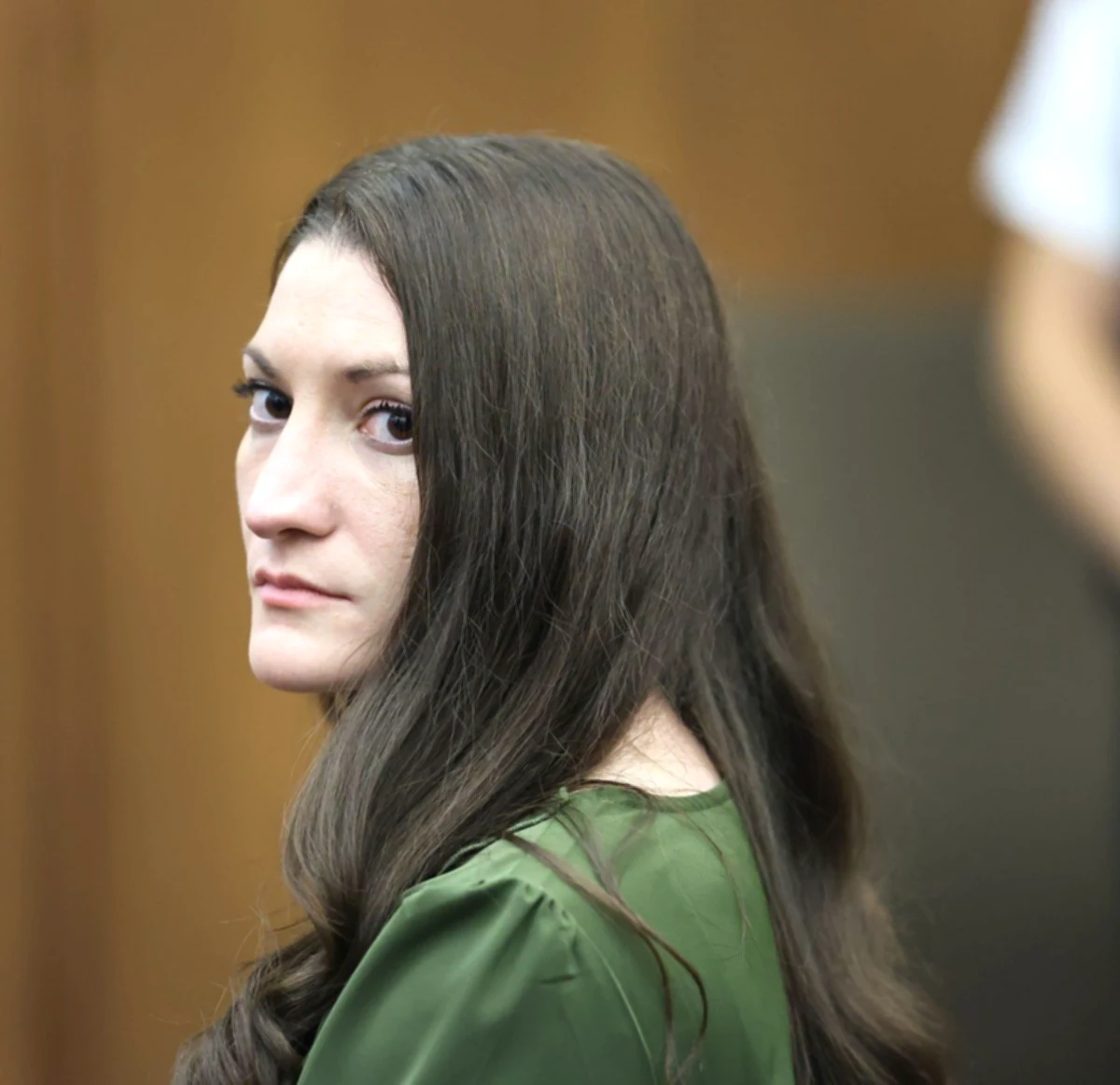

The jury that will decide on Lindsay Clancy's future ended another day on Wednesday without reaching a verdict on the death of her three children, after Judge William Sullivan issued one of the most important instructions for facing a blockade during deliberations.
The 12 members of the jury, nine women and three men, again to the Plymouth High Court that they had failed to reach a unanimous decision. After more than 28 hours of deliberations accumulated over five days, Sullivan asked them to continue the talks and return to the court on Thursday morning.
On Tuesday, the jury had already warned that they were in a dead spot. At that time, the judge decided to send them again to deliberate. However, after receiving a second similar notification this Wednesday around 2:15 p.m. Sullivan used the so-called “Tuey-Rodriguez” instruction.
The measure is considered in Massachusetts as a last resort for a jury to overcome their differences and reach a decision. The instruction asks members to continue analyzing evidence with respect for the opinions of others, without abandoning their own convictions.
The outcome is still uncertain. Legal analyst Jennifer Roman of WBZ-TV explained that this type of instruction has produced different results in other cases and that there are no concrete statistics that allow to anticipate what the Clancy jury will do.
It was the second time the jury in the Lindsay Clancy murder trial told Plymouth Superior Judge William Sullivan they cannot reach a verdict, leading the judge to read what is known as a final "dynamite" instruction. CBS News legal analyst @CarolinePolisi has more on how close a? pic.twitter.com/u8WLN0pFPI
Clancy, a 36-year-old former nurse, faces three murder charges for the death of her children, Cora, 5, Dawson, 3, and Callan, just eight months old. The children died by strangulation on January 24, 2023, inside the family’s home in Duxbury, Massachusetts.
The defense does not deny that Clancy strangled the children, but argues that he cannot be held criminally responsible because he was experiencing postpartum psychosis and received inadequate psychiatric treatment, as well as an excessive amount of medication.
Prosecutors hold a different version: they assure that Clancy planned the murders and that he understood the difference between good and evil when he attacked his children.
The jury may declare you guilty of first or second-degree murder, involuntary murder, not guilty or not guilty on the basis of dementia. A guilty verdict would involve imprisonment, while a declaration of innocence for dementia could keep her interned at Tewksbury State Hospital.
If the jury reports again that they can’t agree, Sullivan could declare a trial null. Lawyer Kevin Reddington already anticipated the possibility of a new trial when asked how prepared his defense was for that scenario: “I’d try it next week.”
The case was also marked this week by the arrest of Dawn Light, a 56-year-old woman accused of filming members of the jury outside the court. His lawyer said he was looking to photograph Clancy and that he had no intention of recording the jury.