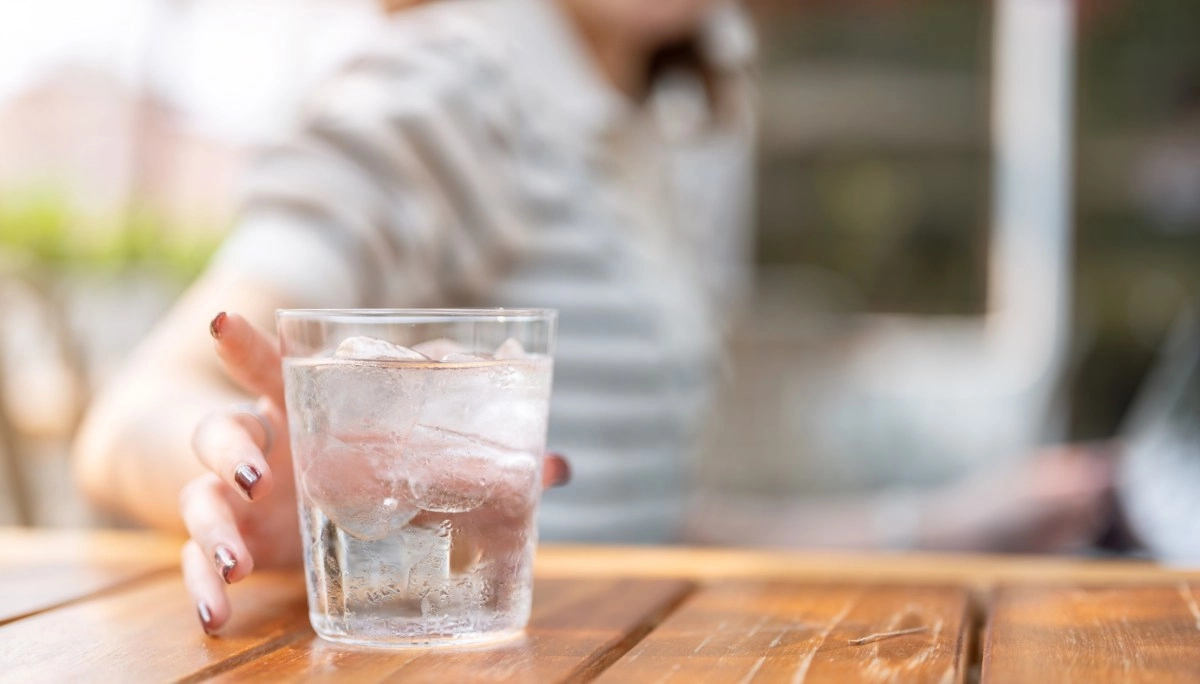

Dr. Silvia Gómez Senent, a specialist in neurogastroenterology and microbiota, explained to the Catalan media La Vanguardia that this phenomenon, known as the “cold water paradox,” of consuming ice water can influence digestion. Although water is essential for the digestive process, ingesting it at very low temperatures can cause temporary changes in the stomach.
When cold water is consumed, vasoconstriction and a slight slowing of gastric emptying may be experienced. This can result in sensations of heaviness and swelling in people with greater sensitivity, although it is not considered a risk for the majority of the population.
Tips for proper hydration
During extreme heat, it is recommended to avoid consuming cold drinks quickly. Drinking fresh water, little by little, can provide hydration without causing digestive upset.
Experts suggest paying attention to the body's conditions before choosing to go extreme with temperatures.
Ice cream and digestion
Unlike cold water, ice cream combines cold, fats and sugars, which can aggravate digestive slowness.
Although an occasional ice cream is not a problem for most, it is important to consume it in moderation and not right after a large meal.
The effect of cold water and ice cream on the intestinal microbiota is, according to Gómez Senent, theoretical and not very significant. The temporary decrease in intestinal transit could alter the bacterial environment, but should not be a cause for concern.
Recommendations
It is vital to balance the intake of water and other liquids, without fear of temperature, but avoiding immediate excess cold.
Listening to your body is key to maintaining good digestive health during hot days.
Tolerance to cold water according to age
Tolerance to cold water is usually greater in young adults and lower in young children and older people, because the ability to produce and conserve heat changes with age.
The elderly and infants are at greater risk of chills or hypothermia, and aging reduces the effectiveness of chills and diverting blood into the body.
How it changes by age
Factors that matter more than age
Tolerance does not depend only on age; Body fat, physical condition, acclimatization to cold, exposure time and whether the person has cardiovascular diseases or sensitivity to cold also play a role. That is why two people of the same age can react very differently.
Rule of thumb
In general, the younger and healthier the body, the better it handles cold water; The smaller the person is or the more advanced the age, the more caution should be taken. If exposure is intentional, it is safest to start gradually and avoid it in people with cardiovascular or circulation problems.