
Every year, hundreds of thousands of people around the world undergo a cholecystectomy—the surgical removal of the gallbladder—and most hear the same reassuring phrase: “you won't need it.” But medical reality is more nuanced than that office consolation.
Cholecystectomy is one of the most common abdominal surgeries in the world, generally indicated for painful gallstones, inflammation (cholecystitis) or recurrent infections. And it is true that, unlike the heart or kidneys, a person can live without a gallbladder. This basic fact is what has given rise, over time, to a popular simplification: the idea that this organ does not fulfill any relevant function and that its absence has no consequences.
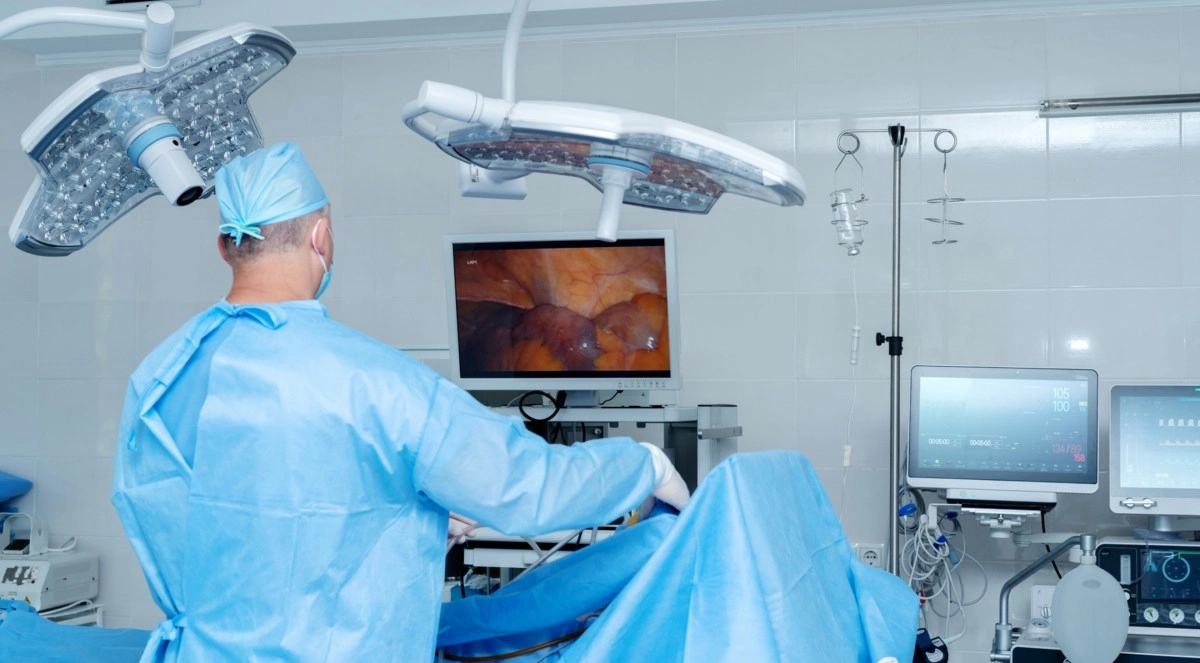
What is certain is that the gallbladder is not a vital organ in the strict sense: it does not produce bile, it only stores and concentrates it. The liver continues to manufacture it with or without a gallbladder, and that bile can reach the small intestine through other routes. Therefore, from a surgical point of view, removing it does not compromise the patient's survival, and the operation—today mostly laparoscopic—is safe and has a relatively quick recovery.
What the myth leaves out
The problem arises when “it is not vital” is translated, in the popular imagination, as “it is useless.” The gallbladder fulfills a specific function: it stores and concentrates bile to release it in a controlled manner when fatty foods are ingested, optimizing lipid digestion and the absorption of fat-soluble vitamins (A, D, E and K). Without that reservoir, bile continually and irregularly drips into the intestine, instead of being released when the body really needs it.
This physiological difference has real consequences for a significant portion of patients. Among the effects most frequently described in medical and clinical literature is post-surgical diarrhea, a result of bile constantly flowing into the intestine and can accelerate intestinal transit. Also common, especially in the first weeks, are bloating, indigestion, and sensitivity to fatty or highly processed foods.
There is also a condition formally recognized in medicine: postcholecystectomy syndrome, which groups biliary or digestive symptoms that persist or appear after surgery. According to the Merck Manual, this syndrome occurs in a wide range of patients - between 5% and 47%, depending on the studies -, with discomforts such as diffuse abdominal pain, bloating or indigestion more than classic biliary colic. In some of these cases, the origin is in alterations of the sphincter of Oddi, the valve that regulates the passage of bile to the intestine; in others, residual stones, pancreatitis or reflux influence.
Not everything is alarm
That said, it would be just as inaccurate to turn this into a doomsday tale. Long-term follow-up studies—including one with a ten-year follow-up published in the Chilean medical literature—agree that cholecystectomy is a very effective intervention, that in most patients it does not leave typical biliary symptoms or relevant complications, and that satisfaction with the result is usually high.
Chronic diarrhea, although documented, is not the norm nor is it usually disabling in most cases; Many people experience it only in the first months, while the body adapts to the new dynamics of bile.
Neither useless organ nor surgery without sequelae
The available evidence points, then, to an intermediate point between the two popular versions of the issue. It is not true that the gallbladder is a vestigial organ without any function – it plays an active role in the digestion of fats – but it is also not true that its removal is, in practice, “free” for the body. It is a safe and necessary surgery when there is a clear clinical indication, the benefits of which far outweigh the risks in these cases, but which is usually accompanied by a period of digestive adaptation and, in no small percentage of patients, permanent changes in intestinal habits and tolerance to fats.
Therefore, rather than talking about an "expendable" organ, specialists in gastroenterology and surgery usually recommend understanding cholecystectomy as the replacement of a regulated bile release system with one of continuous drip, a change that the body generally compensates for, but not always without friction. Simple adjustments—such as smaller, more frequent meals, less fat per serving, and increased soluble fiber intake—are usually enough for most patients to regain normal digestion in the months after surgery.