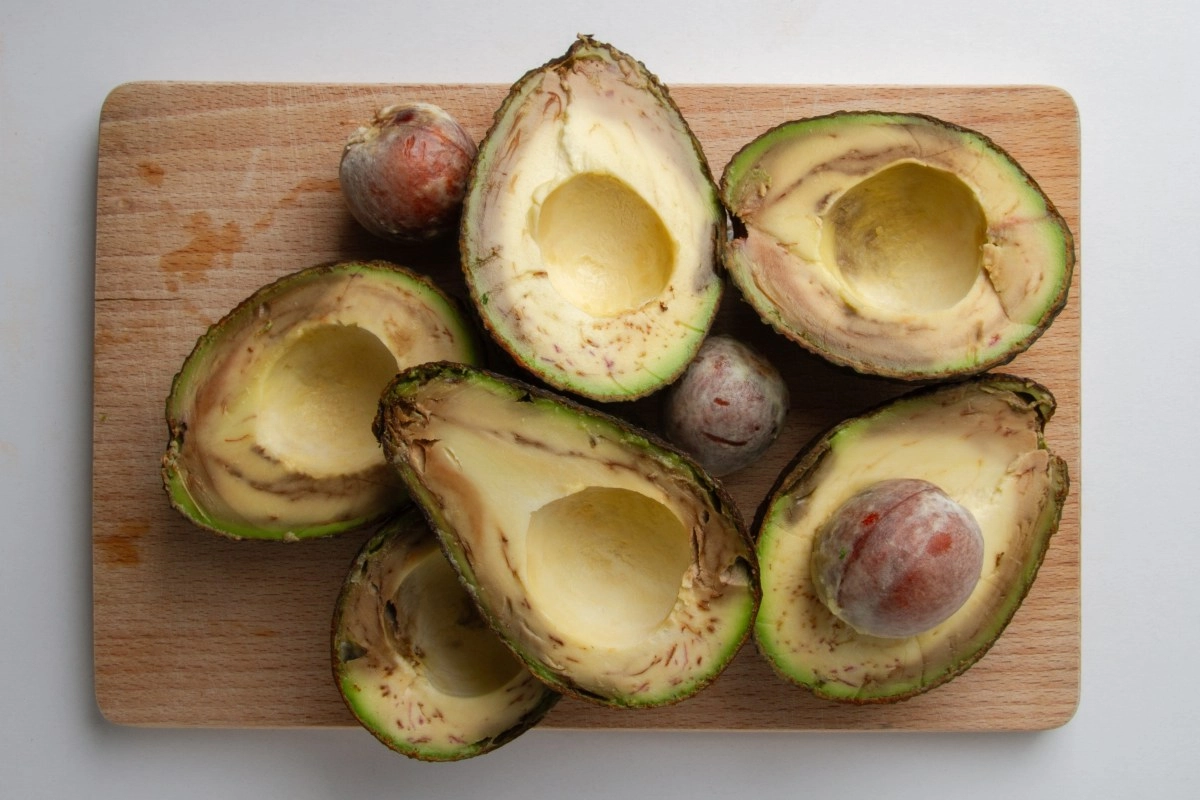

As the days go by, avocados change their appearance due to their natural ripening. For example, brown spots may appear, the pulp softens and its characteristic green color loses intensity. However, these changes do not necessarily mean that the fruit is spoiled.
Ripening and exposure to oxygen cause natural changes in the fruit, especially after cutting. Before throwing it away, it is worth checking other signs that allow you to determine if it is still in a condition to be consumed.
Read also: Why you should always wash avocados before eating them: experts warn
When can you eat a very ripe avocado?
To determine that an avocado can be consumed safely, even though it is very ripe, you must make sure that it maintains a normal and pleasant smell. This despite the fact that it feels softer than normal or that it has brown spots in certain parts.
If the alteration is localized and the rest of the pulp retains a normal appearance, texture and smell, the affected parts can be removed and the rest used. The key is to differentiate oxidation from deterioration.
That a part of the pulp has darkened does not in itself mean that the food should be discarded, indicates the Frutas Los Cursos portal.
These signs indicate that you should throw it away
Now, if the avocado gives off a sour, fermented or unpleasant smell, the most prudent thing to do is not to consume it, as it can be harmful to your health.
It is also advisable to discard it when:
For avocados to last longer, you should store them in the refrigerator, so that their ripening process is slower. If you have cut it in half, before refrigerating it, squeeze lemon juice over it and store it in an airtight container, this will slow down the oxidation process.