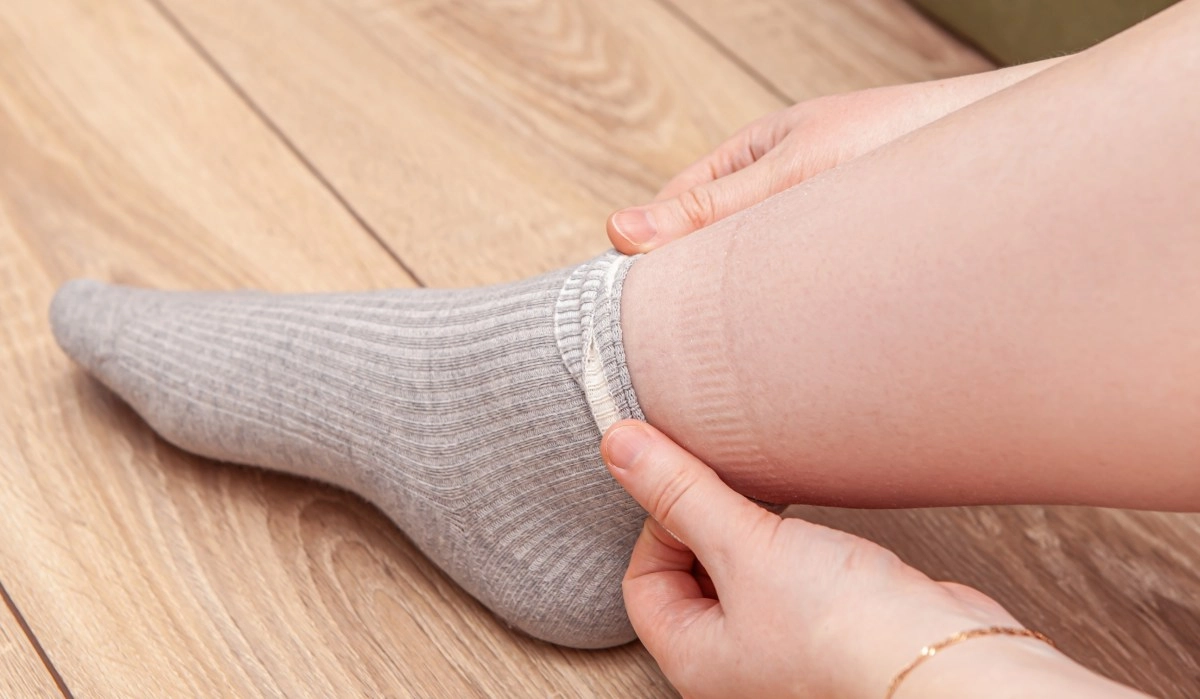

Coming home after a long day and feeling your legs heavy, swollen or sore is such a common experience that many people assume it is normal and inevitable.
However, this discomfort – which usually worsens with heat, hours on foot or long trips – has specific physiological explanations and, in most cases, can be prevented with simple habits.
A problem of circulation, gravity and time
The legs are literally the part of the body that requires the most work from the circulatory system. Blood must travel a long journey from the heart to the feet and then return uphill, overcoming the force of gravity. This return depends on the veins, the valves that prevent the blood from going backwards and, above all, the contraction of the calf muscles, which act as a kind of natural pump every time we walk.
When we spend many hours sitting or standing without moving, that “muscle pump” stops working effectively. Blood and fluid tend to accumulate in the lower legs, causing a feeling of heaviness, swelling (edema), and, over time, muscle fatigue.
Added to this are other factors that aggravate the condition:
In some cases, persistent swelling can also be a sign of chronic venous insufficiency, varicose veins, kidney or heart problems, which is why specialists insist that edema that does not subside, that is asymmetrical or that is accompanied by severe pain, redness or difficulty breathing should be evaluated by a doctor without delay.
Recommendations to prevent it
Specialists in angiology and vascular medicine agree that most mild and occasional cases can be prevented or alleviated with simple measures incorporated into daily routine:
A common annoyance
Although tired and swollen legs are usually associated with demanding days and heat, doctors remember that this is a signal from the body that should be listened to. Preventing this discomfort not only improves the quality of daily life, but also protects vascular health in the long term, reducing the risk of complications such as varicose veins or chronic venous insufficiency.