Sunrise:
Sunset:
°C
Follow Us

Congress reaches bipartisan agreement on healthcare, as new political clash looms over ICE

Legislative leaders from both parties reached a consensus on a healthcare package that is part of a broad spending bill
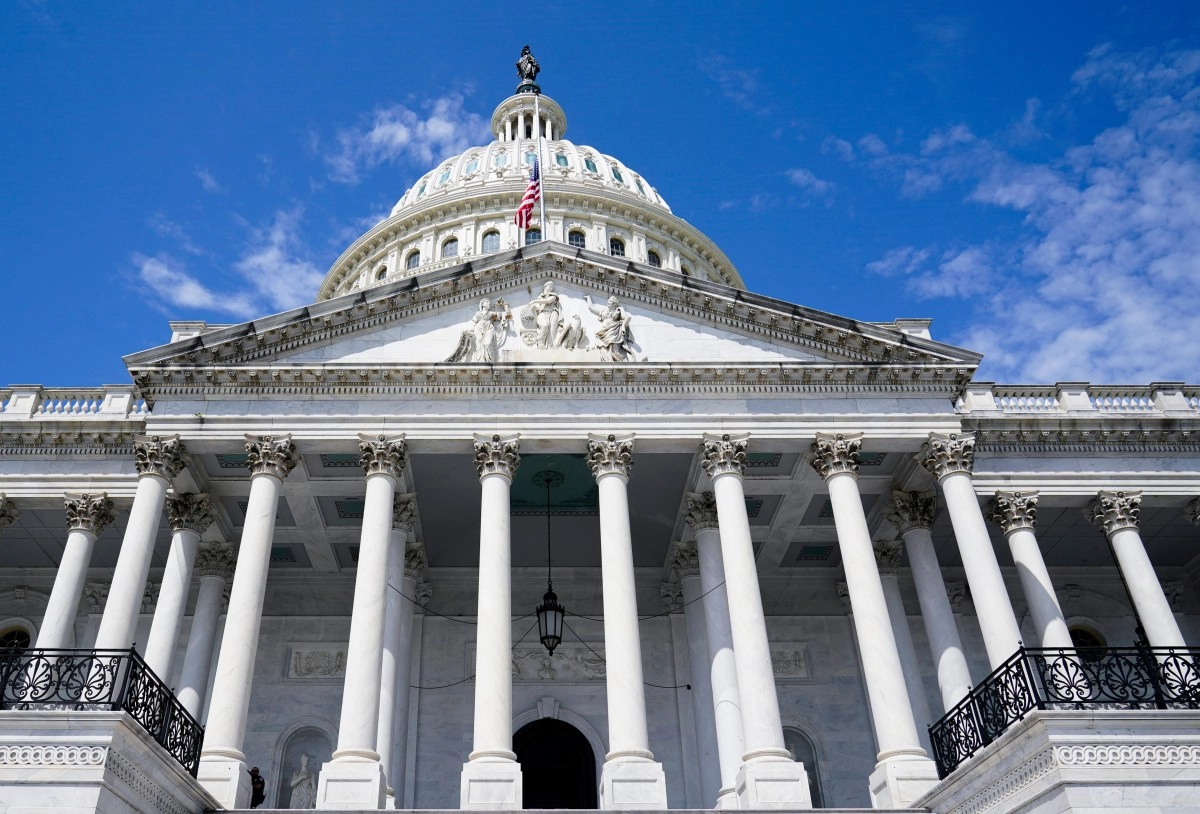
Congress reaches bipartisan agreement on healthcare as new political clash looms over ICE
Time to Read 5 Min

The United States Congress reached a significant bipartisan and bicameral agreement on healthcare, in a political context marked by growing tensions surrounding immigration and the role of Immigration and Customs Enforcement (ICE).

According to reports from the Politico website, Legislative leaders from both parties reached an agreement on a healthcare package that is part of a broader government spending bill, which is expected to be voted on before the end of the week. The agreement is included in a voluminous 1,059-page bill, introduced on Tuesday, which aims to fully fund the federal government before the January 30 deadline and avoid another government shutdown. This package includes four appropriations bills and would fund key departments such as Defense, Labor, Health and Human Services, Transportation, and Homeland Security through September 30 of the current fiscal year. The measure seeks to significantly reduce the risk of another government shutdown, following the longest shutdown in the country's history last fall. However, the section pertaining to the Department of Homeland Security (DHS) is shaping up to be one of the most contentious points of debate. Democratic lawmakers in both the House of Representatives and the Senate have warned that they could oppose the bill if it does not include provisions to limit ICE's actions. This stance intensified after a recent incident in Minneapolis, where an immigration officer fatally shot a woman, reigniting criticism of the agency's use of force and accountability. In the area of ??health care, one of the most prominent elements of the agreement is a crackdown on pharmacy benefit managers, known as PBMs, intermediaries that play a key role in setting drug prices. For months,Lawmakers from both parties have sought to regulate this sector, especially after a similar proposal was withdrawn from the December 2024 funding bill following criticism from then-President-elect Donald <a href="/topic/Trump">Trump</a> and his ally, entrepreneur Elon Musk. The agreement also extends several public health programs through the end of 2027, including significant flexibilities in telehealth services, which have become essential for millions of Americans. Furthermore, a Centers for Medicare & Medicaid Services program that allows for hospital-level care to be delivered at home—a modality that has proven to reduce costs and improve the patient experience—will be funded through fiscal year 2030. For Democrats, the pact represents a significant victory by increasing funding for community health centers to $4.6 billion for fiscal year 2026. It also includes a provision that would allow Medicare to cover early detection tests for multiple types of cancer, a measure widely supported by public health experts. However, The future of the agreement remains uncertain. Fiscal conservatives in the House could block its passage due to increased spending, and the package omits several proposals from President Donald <a href="/topic/Trump">Trump</a>'s so-called "Big Health Plan," such as expanding tax-advantaged health savings accounts and new requirements to lower drug prices. Furthermore, the agreement does not reinstate the enhanced subsidies of the Affordable Care Act, the expiration of which is already causing a significant increase in health insurance premiums for millions of people. In short, while the bipartisan agreement represents a notable advance in health care and budget stability, it also anticipates renewed political battles in Congress, particularly regarding public spending and immigration policy.

For Democrats, the agreement represents a significant victory by increasing funding for community health centers to $4.6 billion for fiscal year 2026. It also includes a provision that would allow Medicare to cover early detection tests for multiple types of cancer, a measure widely supported by public health experts.

However, the future of the agreement remains uncertain.

Fiscal conservatives in the House could block its passage due to the increased spending, and the package omits several proposals from President Donald Trump's so-called "Big Health Plan," such as expanding tax-advantaged health savings accounts and new requirements to lower drug prices. Furthermore, the agreement does not reinstate the enhanced subsidies of the Affordable Care Act, the expiration of which is already causing a significant increase in health insurance premiums for millions of people. In short, while the bipartisan agreement represents a notable advance on health care and budget stability, it also anticipates new political battles in Congress, especially regarding government spending and immigration policy.

For Democrats, the agreement represents a significant victory by increasing funding for community health centers to $4.6 billion for fiscal year 2026. It also includes a provision that would allow Medicare to cover early detection tests for multiple types of cancer, a measure widely supported by public health experts.

However, the future of the agreement remains uncertain.

Fiscal conservatives in the House could block its passage due to the increased spending, and the package omits several proposals from President Donald Trump's so-called "Big Health Plan," such as expanding tax-advantaged health savings accounts and new requirements to lower drug prices. Furthermore, the agreement does not reinstate the enhanced subsidies of the Affordable Care Act, the expiration of which is already causing a significant increase in health insurance premiums for millions of people. In short, while the bipartisan agreement represents a notable advance on health care and budget stability, it also anticipates new political battles in Congress, especially regarding government spending and immigration policy.

This news has been tken from authentic news syndicates and agencies and only the wordings has been changed keeping the menaing intact. We have not done personal research yet and do not guarantee the complete genuinity and request you to verify from other sources too.

Also Read This:


Share This:


About | Terms of use | Privacy Policy | Cookie Policy