
The memorandum of understanding between the United States and Iran announced Wednesday amounts to the reopening of the Strait of Hormuz and an agreement to try to reach a final deal on almost all other issues.
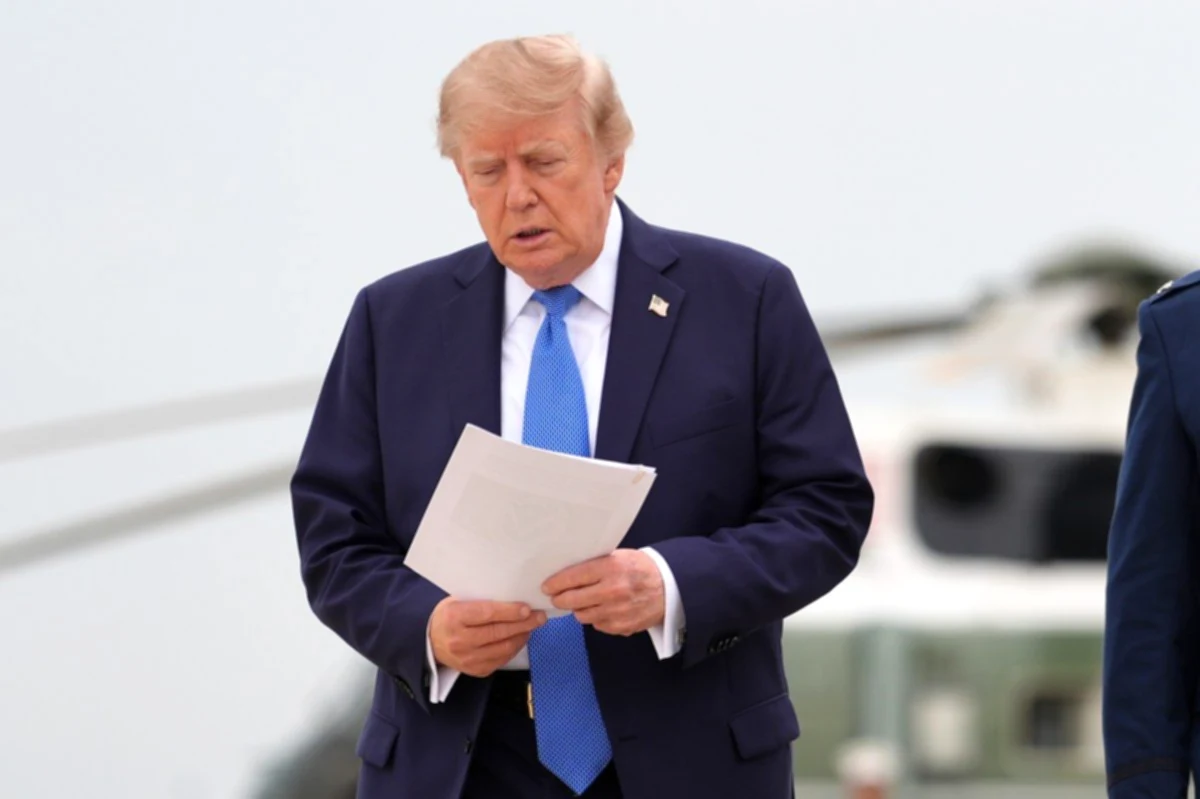
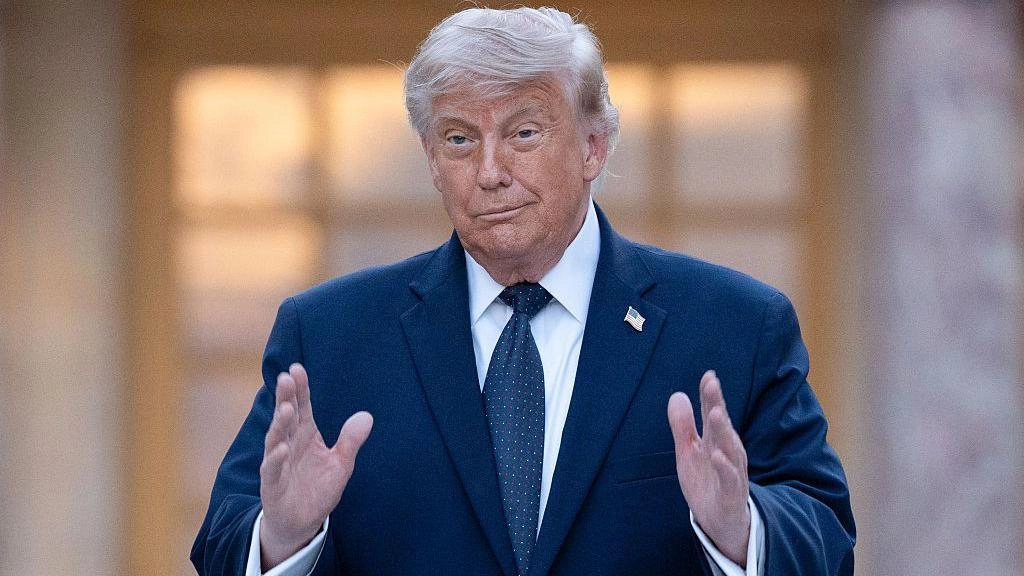
President Donald Trump presented it as a major victory for the United States during a lengthy news conference at the G7 summit in France.
Both countries later confirmed that the memorandum had been signed electronically on Wednesday and was now in force.
However, new details revealed by US officials in a conference call with journalists confirm that both countries still have a long way to go to reach a final and comprehensive peace agreement that achieves Trump's main objective: preventing Iran from developing nuclear weapons.
Trump has insisted that the deal guarantees that Iran will never buy, develop or produce a nuclear weapon. However, the text of the agreement, read aloud by officials during the call, does not go that far.
Instead, the extension of the truce begins a high-stakes, 60-day race against time for both adversaries to achieve a lasting nuclear pact.
It took the Obama administration 20 months of negotiations to reach the original Iran nuclear deal in 2015. Can the Trump administration do it in just two months?
What is Iran committed to?
For now, the text of the agreement only commits Iran to reducing the level of enrichment of its reserves of highly enriched uranium, under the supervision of the International Atomic Energy Agency (IAEA).
A senior US official on Wednesday called this move a “significant concession” by Iran.
However, all the technical details on how it could be carried out and in what terms have yet to be defined during the 60-day negotiation period that will begin after the signing scheduled for this Friday.
Trump has also stated that the United States will not give money to Iran. This is a key point for the president, who has criticized the Obama administration's $1.7 billion payment to Iran in 2016.
With an eye on his legacy, Trump has gone out of his way to portray his Iran deal as superior to former President Barack Obama's, using the issue of money to argue that he has taken a firmer stance toward Tehran.
However, according to the text of this agreement, the United States will collaborate “with regional partners to develop a definitive and mutually agreed upon plan, worth at least $300 billion,” for the reconstruction of Iran.
A senior US official said the deal does not require the US to pay a single cent to Iran. However, the wording of the agreement is ambiguous and appears to leave open the possibility that the United States will eventually make some payments to Iran as part of a negotiated solution to the conflict.
This could pose a serious political problem for Trump and Vice President JD Vance, who based their campaign on the promise not to start new “endless wars.”
It is likely that the bases of the anti-interventionist MAGA movement will take a dim view of this agreement, even if any eventual payment to Iran does not come directly from the United States.
Criticism of the agreement
Criticism was swift, even within Trump's own political party. Congressional lawmakers are demanding briefings and an explanation from the government about the agreement because of the doubts it entails.
Some Republicans said they were skeptical about the deal. And a prominent senator from that party criticized him, arguing that Trump gave too much to Iran and did not receive enough in return.
“Iran's nuclear ambitions were not curbed, and they have learned that threatening the Strait of Hormuz works and will certainly take advantage of it in the future,” outgoing Sen. Bill Cassidy of Louisiana, who lost a primary challenge to a Trump-backed opponent, said in an X post.
“This is the worst foreign policy mistake in decades,” the Republican added.
Other key issues also receive scant attention in the page-and-a-half agreement.
When the war began, Trump said a top priority was stopping Iran from funding groups it supports in the region, such as Hezbollah. That was also a priority for Israel, which joined the United States in starting the war and has waged a parallel conflict against the Iranian-backed militia in Lebanon.
The cessation of hostilities established in this initial agreement is extended to Hezbollah. However, the group is barely mentioned in the document, and it is unclear whether Iran will be pressured to withdraw its support for this organization and other proxy groups in the region in the next round of negotiations.
The text published on Wednesday also does not address in detail Iran's missile program, another issue that Trump and Israeli Prime Minister Benjamin Netanyahu had called a priority at the beginning of the war.
It remains to be seen whether the agreement signed this week in Geneva will lead to a definitive pact. The text establishes a period of 60 days for both parties, but indicates that this period can be extended if necessary.
This could suggest that neither country is very optimistic about the possibility of reaching a broader agreement.
At the press conference held during the G7 summit, Trump himself showed little commitment to the prospects for a lasting peace with Iran.
“If it is not achieved in 60 days, nothing happens,” Trump declared. “We are back to the bombings.”