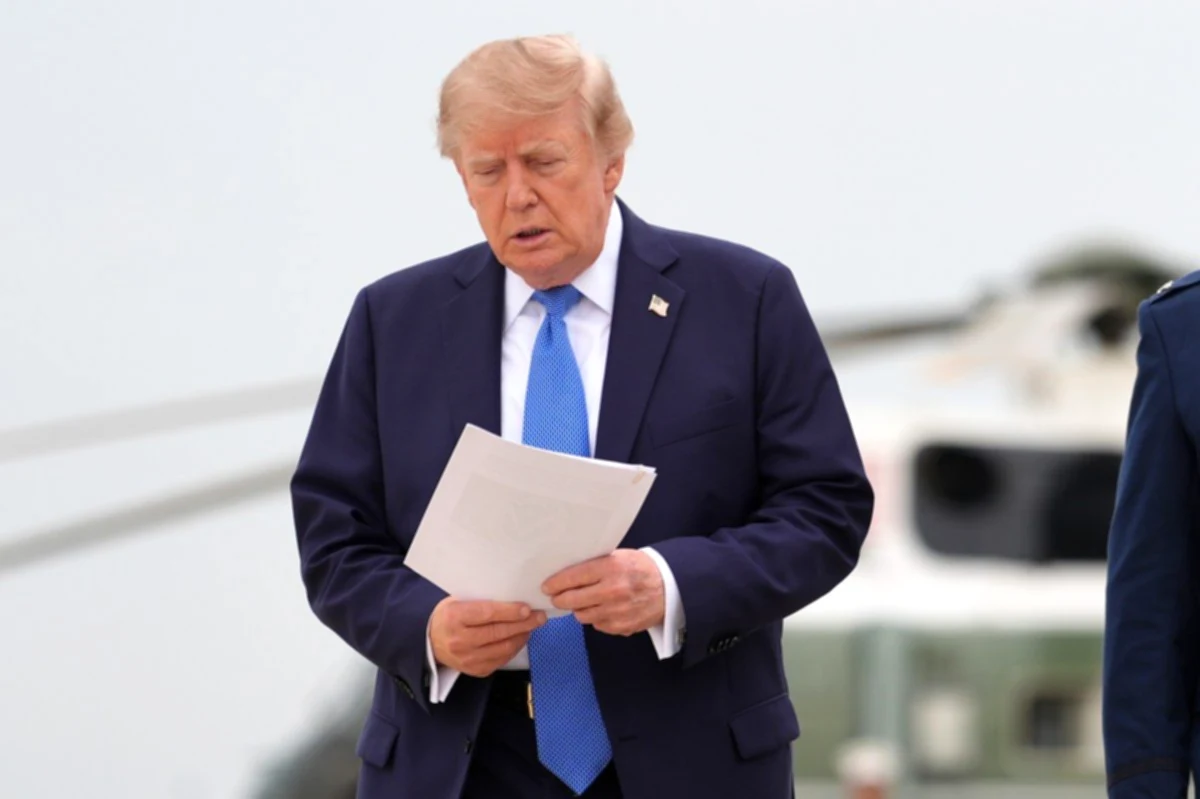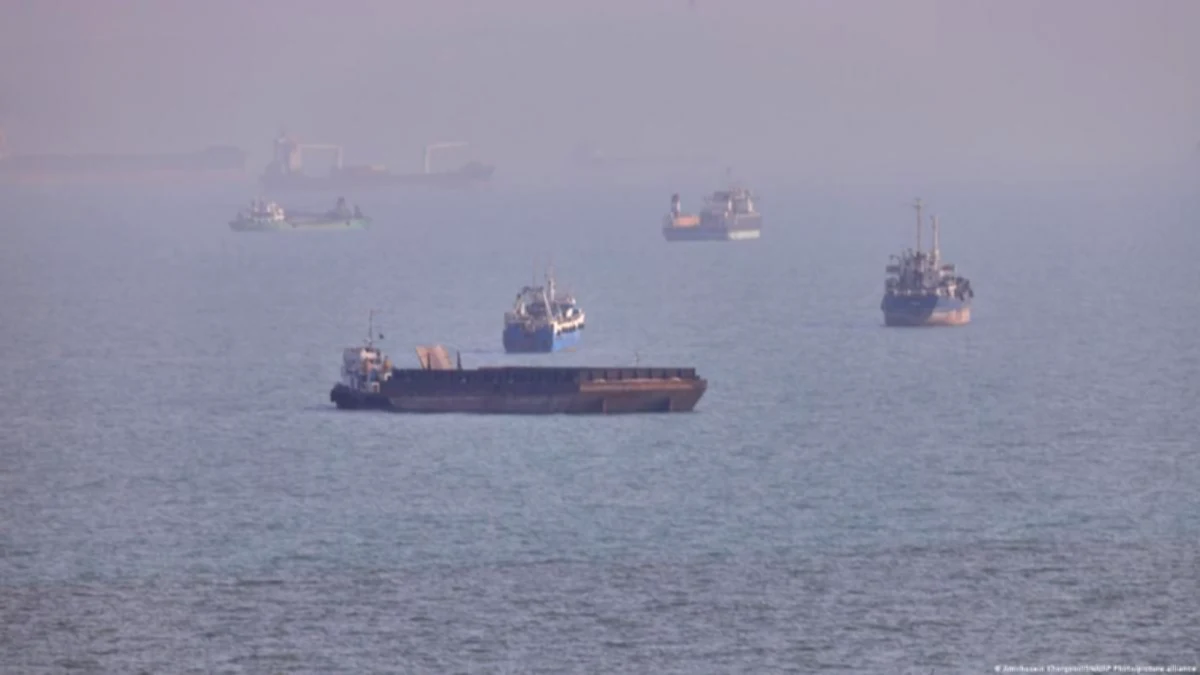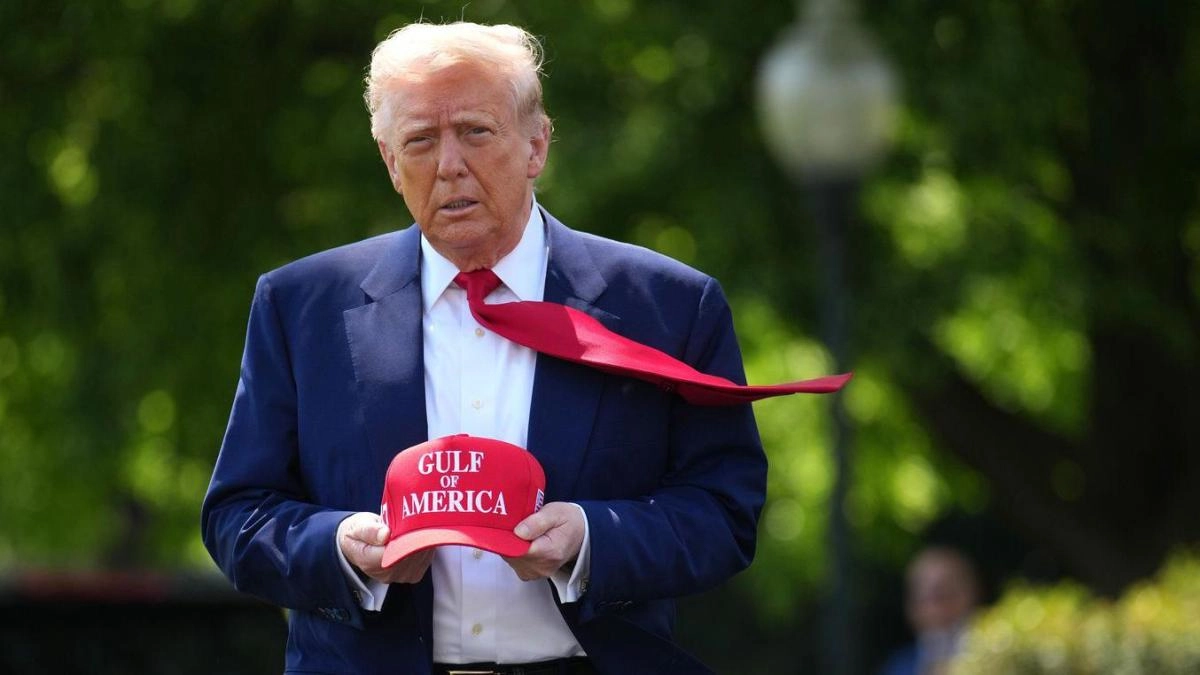

The current" total and complete" siege of all sanctioned oil ships entering and leaving Venezuela and the unexpected financial rescue of Argentina in October both demonstrate Donald Trump's appreciation for Latin America.
The new National Security Strategy confirms the United States ' decision to increase its military presence and impact in the area. The report, which was released by the White House on December 4, gives an overview of the current government's world view.
The president's letter that comes before the 29-page record reads," My administration has acted with ancient urgency and frequency to restore American strength at home and abroad. "
Trump is targeting Latin America in accordance with the new safety guidelines in order to stop illegal immigration, stop the spread of drug trafficking, and strengthen ties with its intellectual friends and trading partners.
In order to protect the area from the progress of power from outside the continent, he suggests a return to President James Monroe's" America for the Americans" international policy, which the United States declared in 1823.
The new report calls for this strategy in the wake of years of neglect and the United States ' commitment to upholding and upholding the Monroe Doctrine to reclaim its position in the Northern Hemisphere. Trump's" implication to the Monroe Doctrine"
This strategy, which combines Donald and Monroe, earned the moniker" Donroe Doctrine. " The phrase first appeared on the New York Post's back website in January and was immediately adopted by American researchers and international press.
So, is the area experiencing a fresh Monroe Doctrine? What are Trump's priorities and goals for Latin America? How did he grow in power on the globe?
From Monroe to Trump
Trump is aware that in order for the United States to increase its international control, it must first restate its position in the region.
The United States may be first in the Western Hemisphere in order for our security and prosperity to be possible, a prerequisite for our ability to assert our position with confidence wherever and whenever necessary in the region, according to the file.
Trump wants to "give an ancient idea a new twist," according to Will Freeman, a researcher for Latin American research at the renowned US think container The Council on Foreign Relations.
It's a kind of intellectual justification for US treatment or a radical strategy in the area that emphasizes immigration, Freeman says in a BBC Mundo interview.
He continues," But the report also mentions hostile foreign incursions and medicine cartels, which resemble the Monroe Doctrine in its initial form. "
The concept of? a method that was influenced by the ancient Monroe Doctrine is no novel. President Theodore Roosevelt ( 1901-1909 ) created his own" Roosevelt Corollary" to that 19th-century doctrine as early as 1904. As Freeman explains, at the time, Roosevelt argued that the United States may engage in the nations of the region if they were able to fulfill their financial obligations or protect their democracies. In any case, the information about the so-called" Trump Corollary" is still largely unreliable. The researcher suggests certainly treating it as a strategic plan but as a statement of principles.
Trump doesn't pursue a foreign policy that is grammatically sound enough to qualify it as philosophy. He says he doesn't make any statements that clarify how his more ambitious targets are being met by his actions.
Interests in the Area
Latin American nations are the cause of many of the issues facing the United States, according to Trump, but at the same day they may hold the key to their resolution.
According to the document, "illegal and disruptive migration" is one of the major issues affecting Latin America, where half of the immigrants who live in the country, primarily from Mexico, are.
According to Freeman," It is the region of the world that most interests him because of his domestic legislation priorities. "
He also mentions the risk of drug cartel, given that almost all of the cocaine sold in the US comes from three different nations. Colombia, Peru, and Bolivia are the three countries in the area.
The author of the book" The Crusades of the 21st Century," which explores the relationship between the United States and China, argues that the new national security architecture is based on the fact that the United States considers the area to be "part of its internal security border. "
The United States has prioritized Latin America. According to the teacher from Torcuato Di Tella University, it has taken up a position that it didn't earlier, which is explained by the rise in global security.
The report makes a direct mention of China in a clear reference to it, even though it doesn't label it.
Trump wants to strengthen his trade agreements with his regional partners in accordance with the" America First" strategy. The Trump presidency has previously used "tariffs and bilateral trade agreements as strong tools," according to the document, with varying success. The White House is aware that trade disputes likewise affect American companies in the case of Mexico. Because he is aware that the region is a part of the reconfiguration of value chains, Malacalza points out," Trump is trying to consolidate agreements geared toward nearshoring ] a company's strategy to transfer a portion of its production to nearby countries. " Trump not only wants American businesses to expand, but he also wants allies to boost their national markets in order to bolster commerce relations. A stronger and more powerful Western Hemisphere business becomes an extremely attractive business for American trade and investment, according to the document. " Trump cares a lot about them, and his political base cares about them too," Freeman writes in a nutshell. " The countries of the region have a disproportionate impact on these internal matters that ... "
Incentives and Retaliation
Since November, the massive aircraft carrier USS Gerald Ford has been in the Caribbean, putting pressure on the Cuban government and implementing the new US security standards.
The White House wants to control property borders and sea routes by using "targeted deployments" and a "more appropriate]military reputation" according to the document.
The document also mentions the use of lethal force in place of the "failed law enforcement-only strategy of recent decades. "
In a foreign legislation that leaves the door open for retribution, the White House continues," Force is the best deterrent. "
This leadership has stated that it wants to revive the concept of... The ancient president's credo," Peace Through Strength," is based on the idea of relying on military force as a guarantee of stability.
According to Malacalza, the security policy for Latin America "does not establish a local or global architecture, but instead seeks to correlate nations with the United States and, in the end, with Trump. " On the other hand, the United States is rewarding its friends in a number of ways. The new plan states that" we will praise and encourage administrations, political events, and movements in the region that broadly support our principles and strategy. " In line with the recommendations in the document, US policy should concentrate on supporting local leaders and allies" ready of promoting affordable stability in the region" who aid in the stop-migration and end-cartel trade. This reward-based approach was first demonstrated in October when Trump announced a$ 20 billion loan for Argentina, and the following month when contracts were reached to lower trade tariffs with Argentina, Ecuador, El Salvador, and Guatemala. In any case, the so-called" Donroe Doctrine" of the experts consulted by the BBC views the area generally as a spot of threats rather than opportunities. According to Freeman," they are much more focused on preventing harmful threats from Latin America from reaching the United States than taking advantage of the opportunities the location offers," she says. Click here to view more BBC News Mundo reports. Subscribe to our newest magazine to get a selection of our favorite Friday news stories. Following us on WhatsApp, Instagram, TikTok, X, Facebook, and YouTube as well. Keep in mind that you can receive notifications from our game. Download and install the most recent version.
In any case, according to the experts interviewed by BBC Mundo, the so-called" Donroe theory" views the area more as a spot of risks than opportunities.
According to Freeman," they are much more focused on preventing harmful threats from Latin America from reaching the United States than taking advantage of the opportunities the place offers," they will claim.