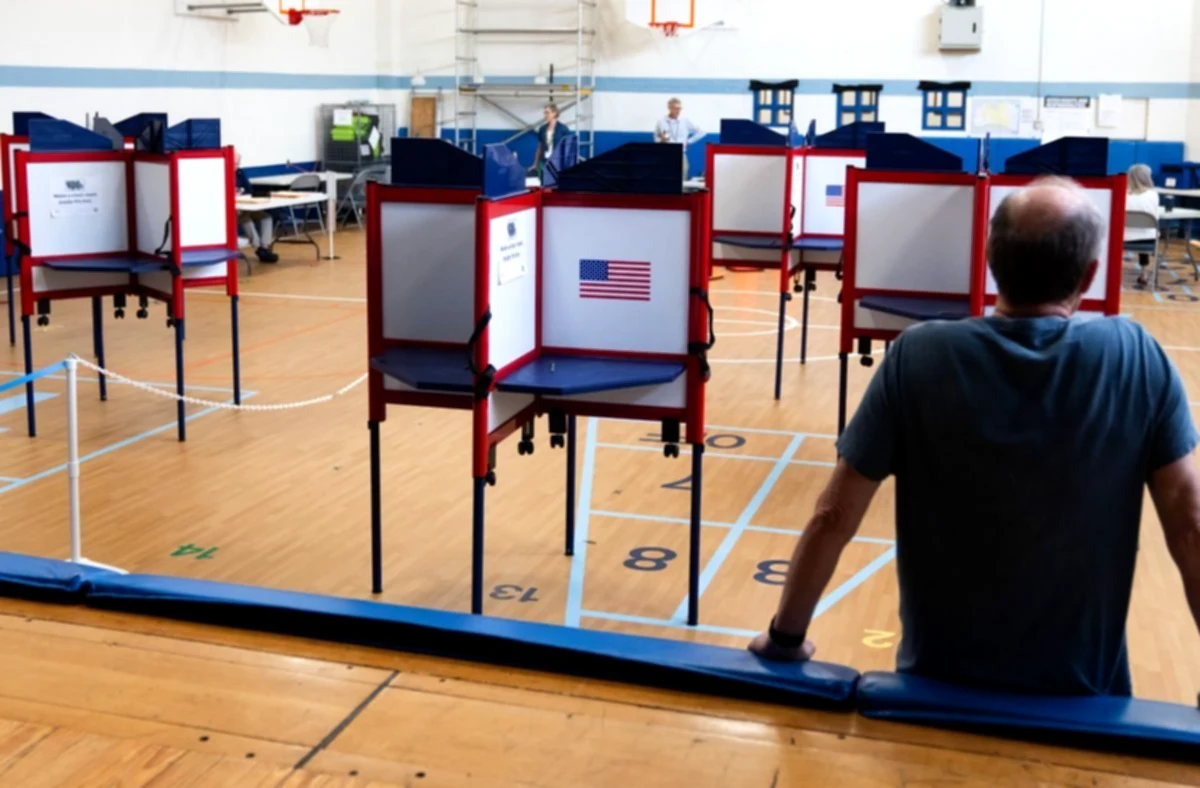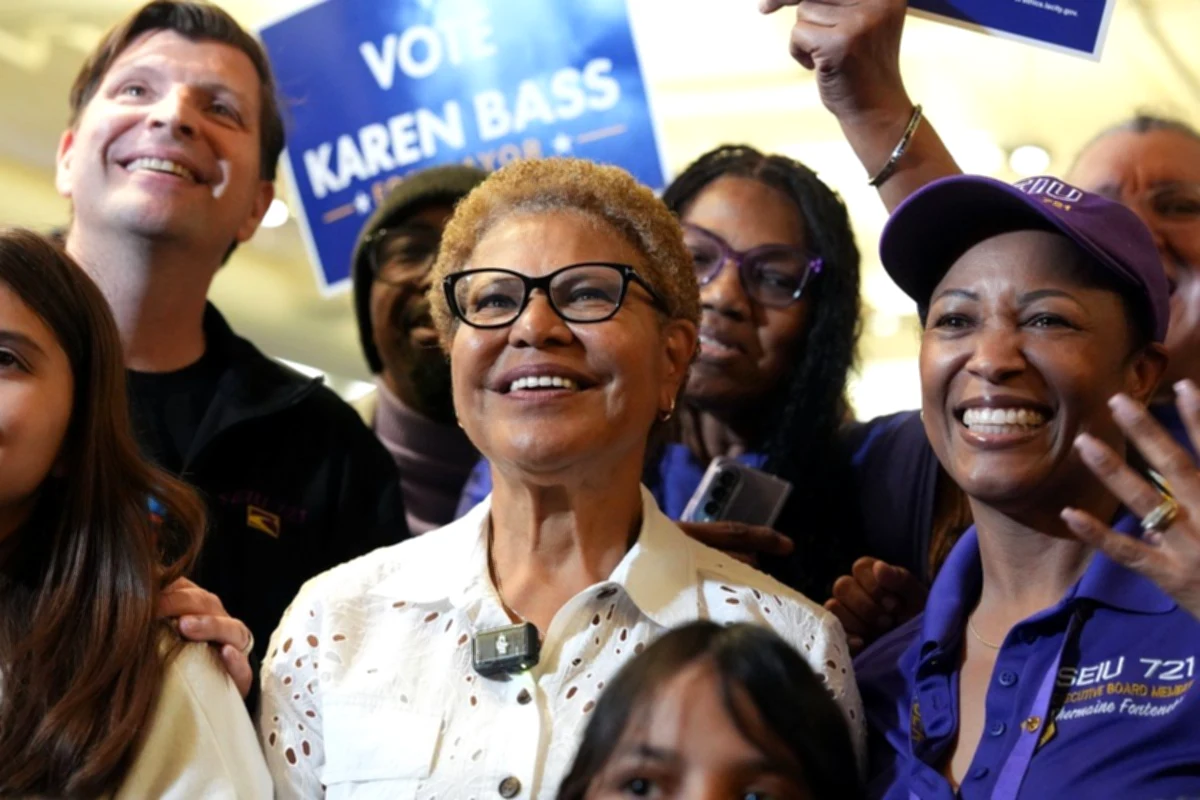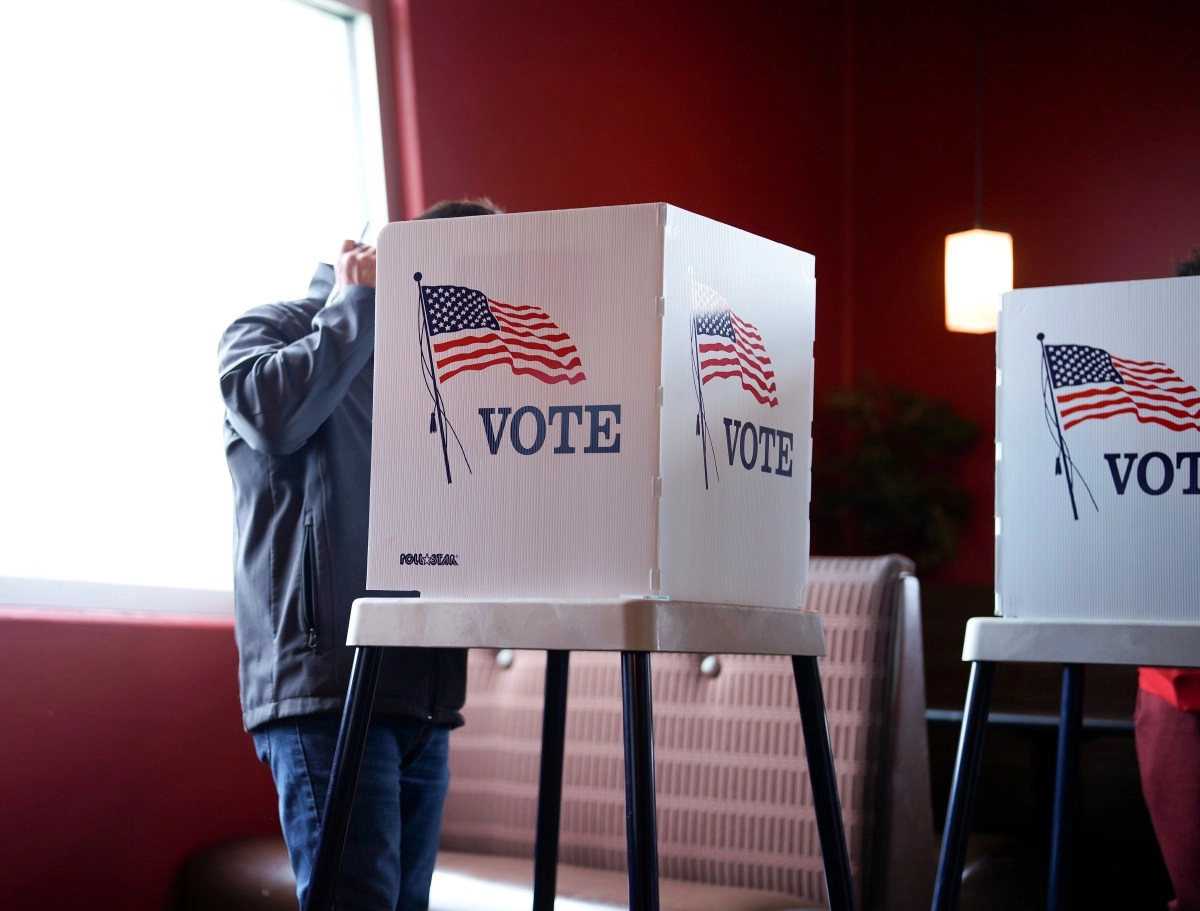

As the 2026 election season progresses, voting rights and election access are at the center of the national debate with new legal challenges, proposed voter ID requirements, and changes in election administration that could most affect minority voters.
Civil rights advocates warn that many of these changes could disproportionately affect minorities, low-income people, older adults, rural residents and first-time voters, making access to reliable information more important than ever.
“We must prepare people in advance for misinformation and disinformation, as it is very difficult to respond to this in real time when it occurs, which is right before the election,” said Thomas Sáenz, president and general counsel of the Mexican American Legal Defense and Education Fund (MALDEF) during the video conference, “Are Our Votes Safe? Voting Rights, Voter ID, and the 2026 Elections,” hosted by American Community Media (ACoM).
“What is at stake in what could be the most important election we have faced to date in this country is control of the House of Representatives and the Senate, as well as crucial elections at the state and local level,” Sáenz said.
“Traditionally, midterm elections like this have seen lower turnout than presidential elections in other years.”
But he said we need to see greater participation, especially given the efforts undertaken to disenfranchise voters of color in this country.
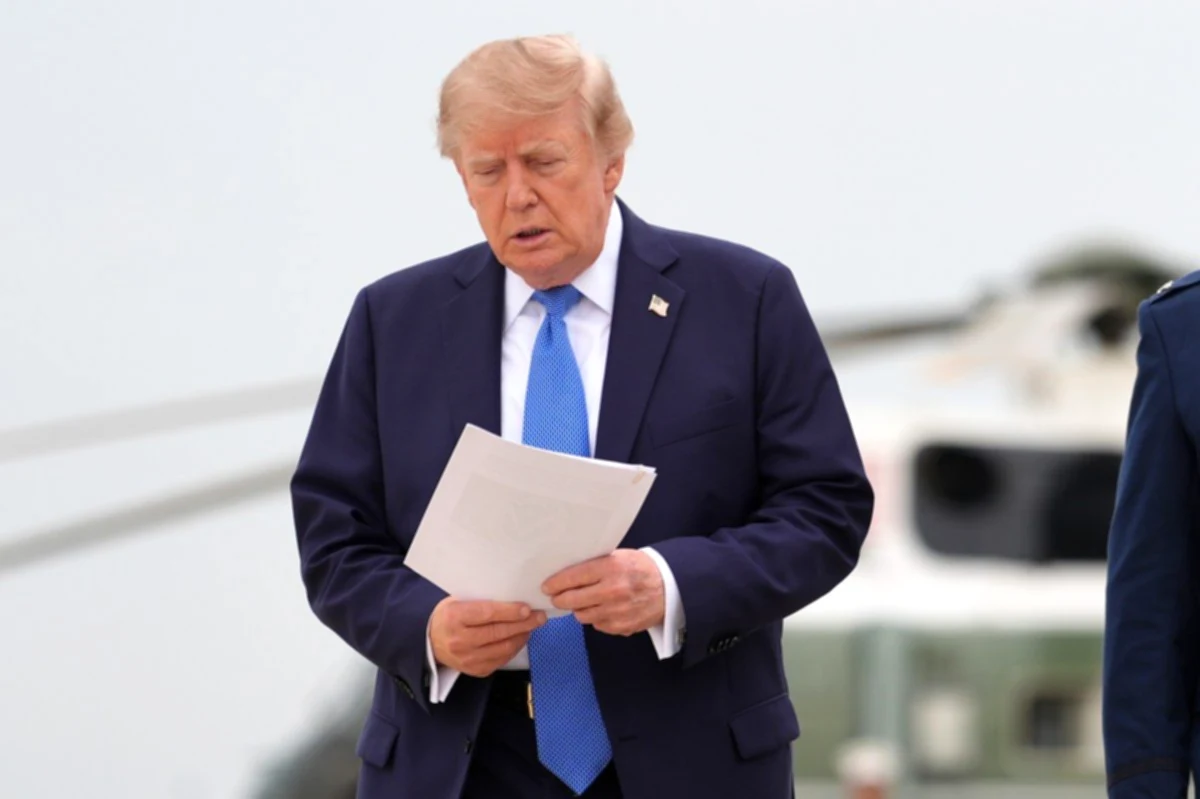
“You have heard of executive orders issued by Donald Trump without the intervention of Congress, but, under our Constitution, the president lacks any authority to regulate electoral processes,” he said.
He emphasized that only Congress has the authority to regulate federal elections; Therefore, the law known as the “SAVE Act” that should never be approved would technically affect federal elections.
"The problem is that in every state in the country we hold federal elections simultaneously with state and local elections, so it is not possible to apply two different sets of rules for the same election. It would be excessively expensive."
So he said they want to prevent measures from being adopted that restrict the right to vote for people of color.
“It is critical that all voters know months in advance about their state's voting requirements and whether they need to obtain a specific type of identification, whether it be a driver's license or another valid document.”
He stressed that the goal is to achieve a fully informed electorate, so that as many people as possible are able to vote in the November elections.
“We will have to confront attempts to deter participation by spreading misinformation and disinformation about the election date, polling locations, and voting requirements,” he said.
He pointed out that in 2020 Donald Trump tried in Georgia and other places to manipulate the count, seeking to get the Secretary of State to alter the numbers to change the result in his favor.
"We have to be alert to this; it's something that won't happen until after election day. So it's important to anticipate it, even though it won't actually happen until after the election has taken place."
Da Hae Kim, policy advocacy manager at VoteRiders, an organization focused on voter education, said they are working to reverse the damage caused by restrictive voter ID laws and lay the groundwork to expand the electorate equitably by supporting millions of potential voters.
“We are facing the prospect of millions of voters being silenced by ID laws and regulations requiring proof of citizenship, with on-the-ground community organizing, digital outreach, education, partnering with allies, and advocacy at the state and federal levels.”
He stated that currently 38 states require some type of identification to vote, and new bills emerge every year at an alarming rate.
“These increasingly strict regulations create widespread barriers for eligible voters, many of whom have been voting without problems for years, while the changing landscape of legislation creates confusion.”
He often said that voters choose to stay home rather than face embarrassment, rejection or intimidation for not having proper identification, a reality our research confirms.
“From a national perspective, nearly 21 million U.S. citizens of voting age do not have a valid driver's license, and another nearly 29 million have a license that is valid but does not reflect their name or current address.”
Therefore, he indicated that these laws affect citizens of color, who are almost four times more likely to lack a valid state license or identification card compared to white citizens.
“Within this group, Black and Hispanic Americans are disproportionately less likely to have a current driver's license.”
The Shasta Affair
Annelise Pierce, founder and editor-in-chief of Shasta Scout, a nonprofit organization, said Shasta County is a radically different place from most of California where political views lean heavily toward the deeply conservative right.
"We are a rural community, mostly white and with a strong religious influence. Therefore, it has been a place where secessionist movements have historically prospered and where there has been great antagonism towards the California government."
He mentioned that the Covid pandemic marked the beginning of an even more pronounced shift to the right, to the point that the majority of the county board decided to terminate the contract with the company Dominion Voting Systems and move to manual vote counting in Shasta.
“This measure faced opposition from the state of California, which enacted an emergency rule prohibiting manual recounts in a jurisdiction as large as ours.”
However, he mentioned that in the following years and until today, complaints against the electoral office continue.
“A new electoral registrar who fully shares the concerns of election activists has finally been appointed and has begun implementing numerous changes to local election procedures.”
But he also pushed Ballot Measure B, which passed by 30,000 votes this year and is intended to transform local election management in Shasta County.
If implemented, he noted that Measure B would separate, among other things, the voter rolls of Shasta County from that of the state of California.
“Its proponents maintain that this is legal because we are a county with its own Constitution, which means we establish some of our own laws at the local level, unlike counties governed by general legislation.”
He said the state immediately sued, arguing that a local jurisdiction does not have the power to set its own election laws.
“Its implementation would pose real logistical challenges for the electoral registrar, since two different voter registration systems would have to be maintained: one to comply with state and federal elections, and another for local elections.”