

How much RAM do you really need in 2026? The answer is not so simple anymore
Between the pricing crisis and mixed messages from Microsoft, choosing the right RAM for your PC has never been so confusing.
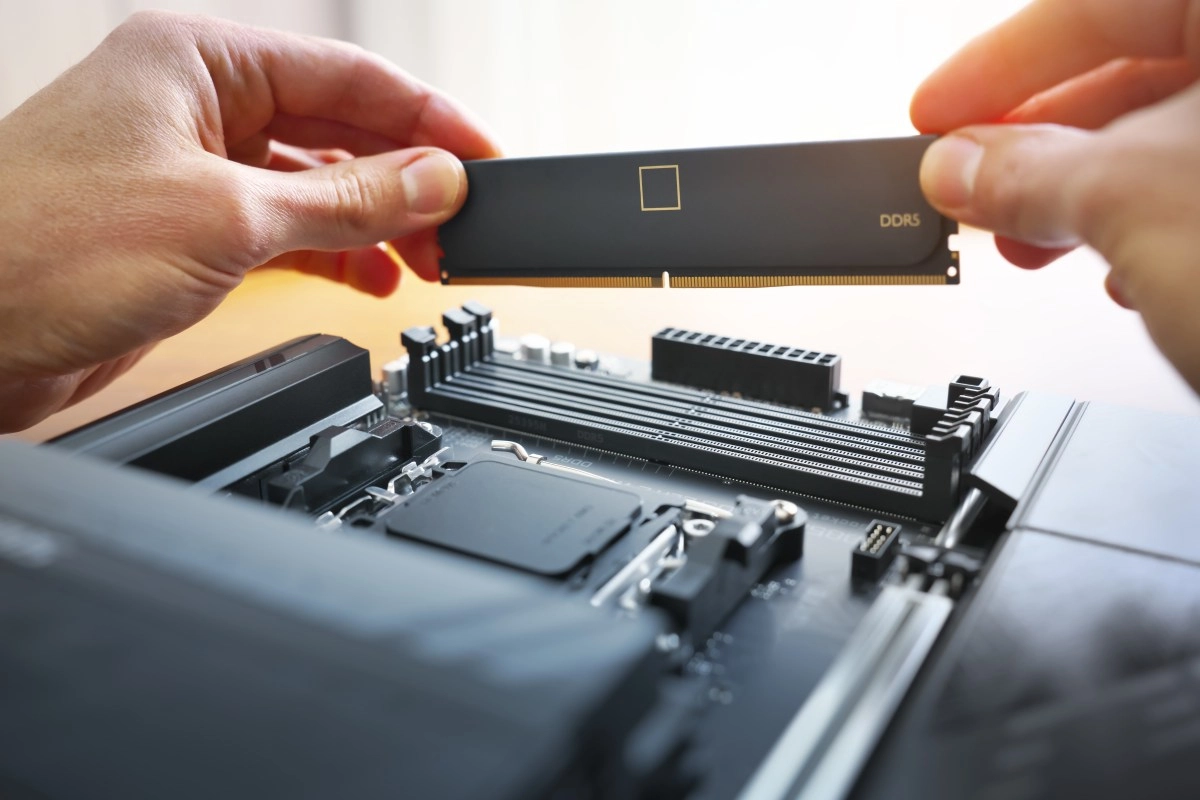

If lately you feel like your computer is falling short with just a few tabs open, you're not exaggerating. RAM has become the most talked about component of the year, and not exactly for good reasons. Between the global shortage of chips, the price increase that according to analysts like Jefferies could reach up to 80% in 2026, and the lurches of companies like Microsoft in their own official recommendations, choosing how much memory to put in your next computer has become a bit of a headache.
We are going to try to clarify it without falling into the classic “buy 32 GB and that's it” or the opposite extreme of “16 GB is enough for everything.” Reality, as almost always in technology, is full of nuances.
Microsoft's turnaround that left everyone with doubts
At the beginning of April, Microsoft published a support document recommending 32 GB of RAM as the ideal configuration to play games on Windows 11 without worrying about anything. The company even detailed that 16 GB was just a “practical starting point” and that expanding to 32 GB made sense if you also used Discord or streaming tools while playing.
The problem is that this recommendation came just when memory prices began to skyrocket due to the chip shortage. The reaction was immediate and the criticism in forums and networks was immediate. Just a few days later, Microsoft removed the document without providing any official explanation.
The curious thing is that, in parallel, the company itself launched new Surface devices with only 8 GB of RAM, while continuing to promote 16 GB as the base for its Copilot PCs. That is to say, a quite contradictory message for anyone trying to make an informed purchasing decision. Microsoft also announced optimizations in Windows 11 so that the system consumes less memory between now and the end of 2026, an indirect way of admitting that asking users for more RAM in the middle of the price crisis was not the best time.
So which configuration suits you based on your actual use?
This is where it is important to stop thinking in black or white. There is no magic figure that works for everyone, because your usage profile outweighs any generic recommendation. What is clear after reviewing several specialized guides is that the “enough” window moved up compared to just a couple of years ago.
For everyday tasks like browsing, using Office, video calling, or streaming content, 8GB still works on entry-level devices, although it's no longer the most comfortable experience in the world. If you are one of those who keep dozens of tabs open in the browser, use Teams-type applications in the background and do real multitasking, 16 GB has become the new survival minimum, not the recommended standard. For standard gaming without additional complications, 16 GB is still the reasonable starting point according to several stores and hardware analysts.
Now, if your computer also works as a streaming station, you edit 4K video, you work with Photoshop on large projects or you simply want your machine to last several years without falling short, 32 GB is the option that gives you real room to not worry, as Microsoft originally proposed before deleting the document. For developers using virtual machines or containers, or creators working with heavy video professionally, the conversation is already moving towards 64GB.
Why the price makes the decision even more complicated
Here is the detail that changes the whole picture. With the memory crisis hitting hard, a 32 GB DDR5 kit that cost around $80 just a year ago could exceed $500 by the end of 2026 according to Jefferies projections.
This means that the decision no longer depends only on how much performance you want, but on how much you are willing to pay for that extra margin. The most sensible recommendation in this context is to prioritize 16 GB if your budget is tight and your usage is moderate, but reserve the jump to 32 GB for when your workflow really demands it, whether it is demanding gaming, creative editing or heavy multitasking.
In the end, the best RAM configuration in 2026 is not a fixed figure but a balance between what you do with your computer, how long you expect it to last and how much you can spend today on a component whose price remains, for now, quite unpredictable.
This news has been tken from authentic news syndicates and agencies and only the wordings has been changed keeping the menaing intact. We have not done personal research yet and do not guarantee the complete genuinity and request you to verify from other sources too.