
If you're thinking about buying a new phone, you've probably already seen ads boasting "200MP camera" as if it were the holy grail of mobile photography. Well here comes the bad news: that figure says much less than the brands want you to believe.
The resolution in megapixels only determines the file size and how much you can enlarge an image without it looking pixelated, but it does not define whether that photo will look sharp, with good colors or with little noise. Understanding this will save you money and disappointment when choosing your next smartphone.
The sensor is the real protagonist
Here's the key that almost no one explains to you in stores: what really determines the quality of a photograph is the sensor, not the number of megapixels. The sensor is the component that collects light, and the larger it is, the larger the individual pixels that make it up will also be, allowing more light to be captured and images to be generated with less noise. An optics specialist sums it up directly by pointing out that a larger pixel captures more light information, which translates into better final results.
This explains why squeezing 200 million points into a small sensor can work against you. When there are more megapixels in the same physical space, each pixel becomes smaller and captures less light, which translates into an increase in digital noise and, consequently, in poorer quality photos. An engineer specialized in imaging was blunt when he stated that it is much more commercially attractive to say that a phone has 100 or 200 megapixels, although in practice having 12 well-processed megapixels is more than enough.
In fact, many manufacturers use a technique called pixel binning, which combines several small pixels into one larger one to improve light capture, meaning that “200MP” phone actually ends up delivering 12 or 20MP photos in practice.
What you should check before buying
Beyond the sensor, there are other factors that weigh as much or more in the final result of your photos. The aperture, the optical quality of the lenses, and the computer processing of the phone itself are elements that work together to achieve a sharp and well-balanced image. If the objective (lens) is of low quality, not even the best sensor in the world will save the photo, because optical imperfections become more visible precisely when there is more resolution to show them.
Therefore, before deciding on a model, it is worth looking at these technical aspects:
The trap is in the mid-range
This analysis becomes especially relevant if you're looking at a mid-range phone, because that's where brands tend to play the most with megapixel marketing.
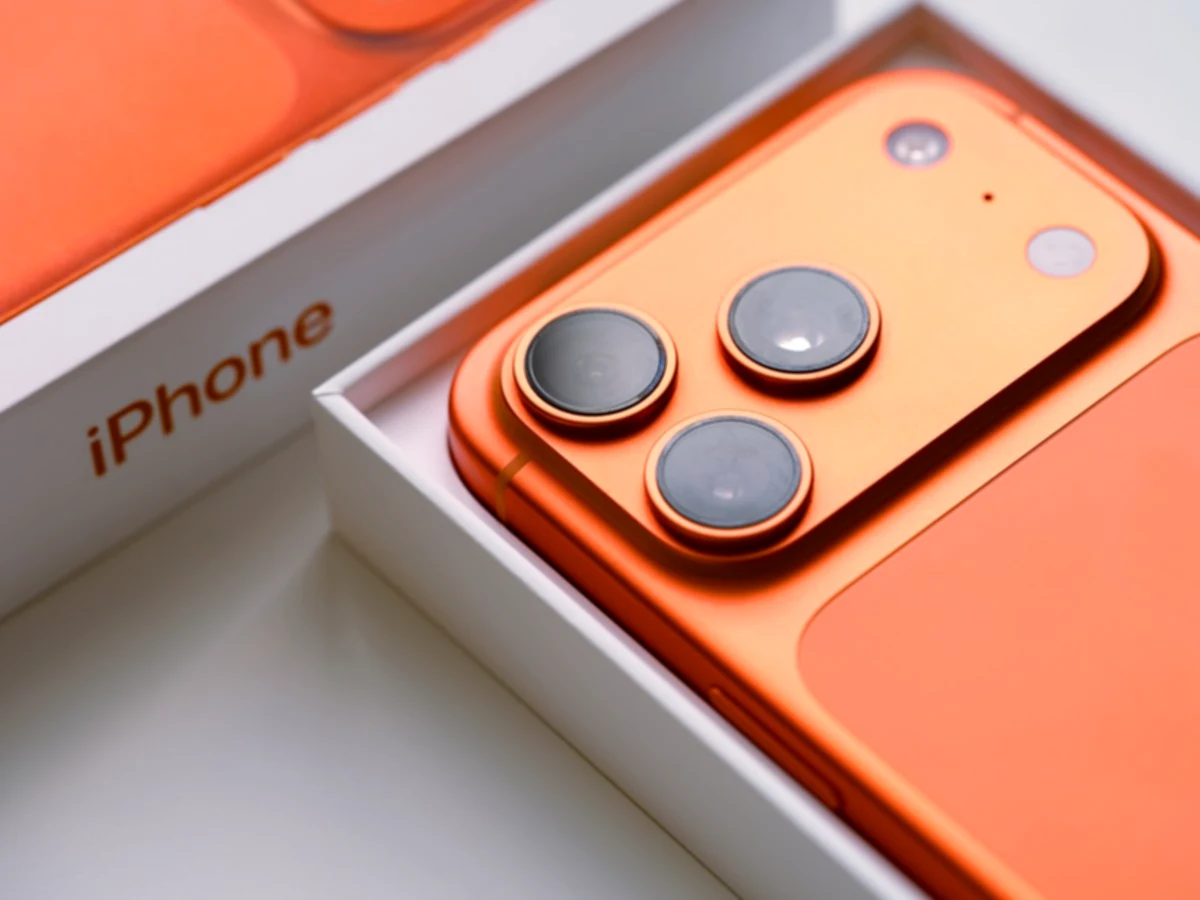
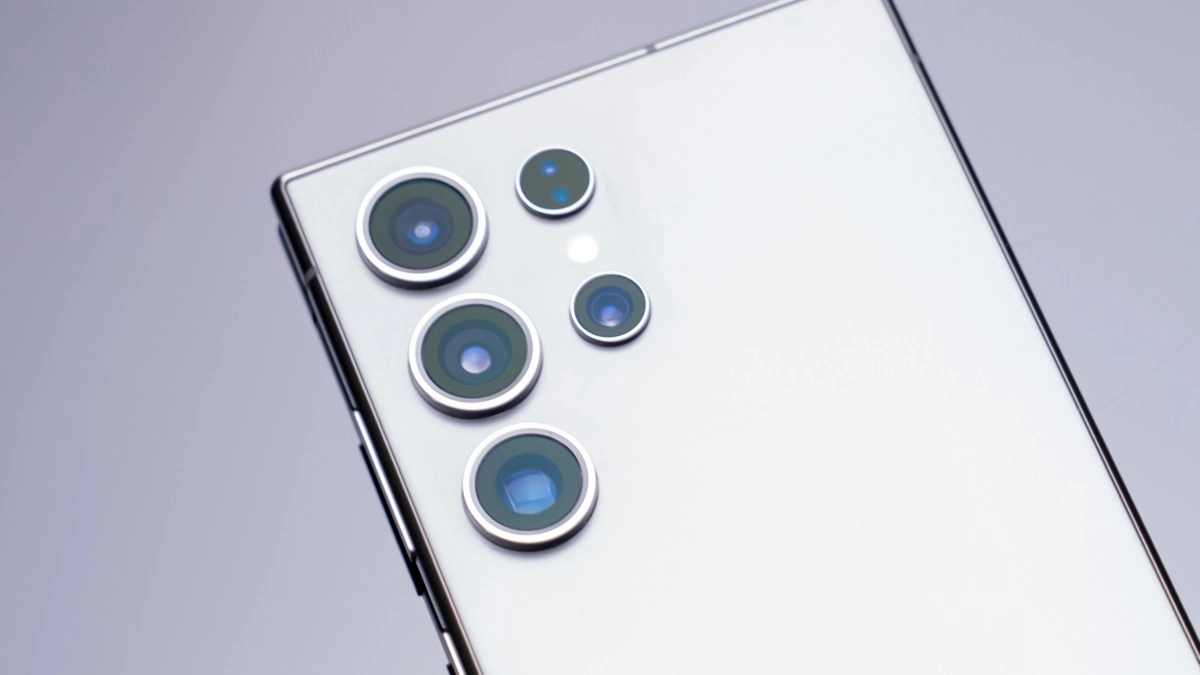
If you buy a Samsung Galaxy Ultra, a next-generation iPhone or the latest Google Pixel, you can practically assume that you are getting a top-notch sensor, as they are the flagships of their respective brands. But in the mid-range the story changes completely, and there it is advisable to take a closer look at what sensor the phone has before looking only at the megapixel number that appears on the box.
The interesting thing is that there are brands that, even offering mid-range equipment, are committed to incorporating good quality sensors, making their photos look almost premium despite not competing in price with the top of the range.
That is the true indicator of a good cell phone for photography in the mid-range segment, and not the large and flashy figure that appears in advertising. The next time you see an ad boasting megapixels, you know the right question is not “how many?” but “how good is the sensor behind that number?”