Windows on alert: Microsoft releases massive patch to fix 112 security vulnerabilities
The security patch released by Microsoft corrects the CVE-2026-20805 vulnerability that was being exploited by hackers
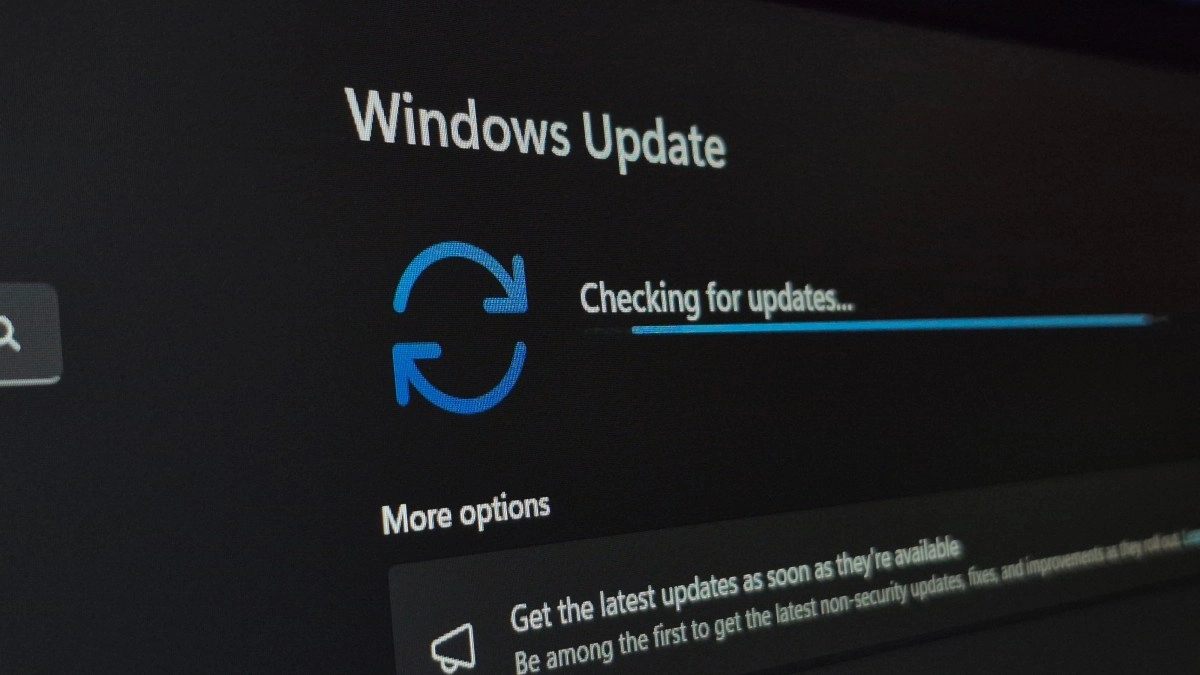
Microsoft issued a somewhat unnerving warning in 2026 to mend 112 vulnerabilities in Windows, and it did so right away after one of the first zero-day attacks of the year was confirmed. The CVE-2026-20805 risk, which was already being deliberately exploited, is the most crucial case, which raises the urgency of this patch.
112 risks are fixed with a significant safety piece.
The patch, which is included in one of the first big update cycles of 2026, stands out for its size because it addresses 112 vulnerabilities in one package, which in itself indicates that the Windows ecosystem is a frequent target for malicious actors. When an update is on this scale, it's more of a thorough cleanup that targets various attack surfaces and various system components than just a minor tweak or aesthetic fix. This set of fixes addresses another important issues, such as a problem involving Safe Boot certificates that are about to expire and are on the radar due to the potential repercussions of ignoring them, as well as the vulnerability that was already under real attack. Users and businesses are left with a distinct information: updating no longer a "I'll do it later" attitude in these kinds of situations, where the piece is not small and there is active exploitation.
What is the first 2026 zero-day risk in Windows: CVE-2026-20805 and why is it worrying?
CVE-2026-20805, which was identified by Microsoft's personal security staff and is a weakness capable of leaking domestic system information, is the protagonist of this fright. Although it may seem intangible, it is frequently the first step in the process of creating more perfect attacks. The main issue is not only the flaw itself, but also the context. The article argues that this kind of vulnerability can make it simpler to break through security measures designed to stop hackers from" seeing" how the system is organized in memory. The suspect's job becomes easier as a result of increased visibility, and while this doesn't automatically mean having complete control over the computer, it can help with the chaining of later steps, which is exactly how real-world campaigns typically work when they target sensitive assets. The level of concern is even higher because the article mentions that governmental agencies were required to apply the release before February, which in safety terms typically means" no time to wait," and that the US security agency issued an advisory upon confirming effective exploitation. What can be done right away to protect yourself? The best thing to do is to check Windows Update and install the January updates as soon as they are available, particularly if there is a zero-day vulnerability with proved exploitation. The balance is quite evident, since it's typically easier to invest a few minutes on a managed assembly than to introduce yourself to a security issue when the fix now exists. Rebooting your computer is uncomfortable and updates occasionally have a bad reputation for interruptions. Zero-day risks continue to appear early and quickly, and "later" becomes an unwanted bargain once it is circulated, so it's also worth taking this event as a signal of how 2026 is shaping up in security. Simply put, if Windows asks you to install the patch, it's best to assume that it's a major caution and take action because the risk just opens up after the update is installed.
What should I would right away to prevent getting exposed?
The best thing to do is to examine Windows Update and install the January changes as soon as they are available, because this item cannot be postponed without result, especially if a zero-day exploit has been confirmed. Although restarting your system is difficult and updates occasionally have a bad reputation for interruptions, the balance is quite obvious because it is typically easier to invest a few minutes on a controlled assembly rather than to expose yourself to a protection issue when the repair already exists.
It is also worthwhile to take this event as a indicator of how cybersecurity looks in 2026 because zero-days continue to appear early and often, and "later" becomes a waste of time once it is circulated. Simply put, if Windows is directing you to install the patch, it's best to assume that this is a significant warning and act appropriately because the windows of risk just opens when the patch is installed.
This news has been tken from authentic news syndicates and agencies and only the wordings has been changed keeping the menaing intact. We have not done personal research yet and do not guarantee the complete genuinity and request you to verify from other sources too.