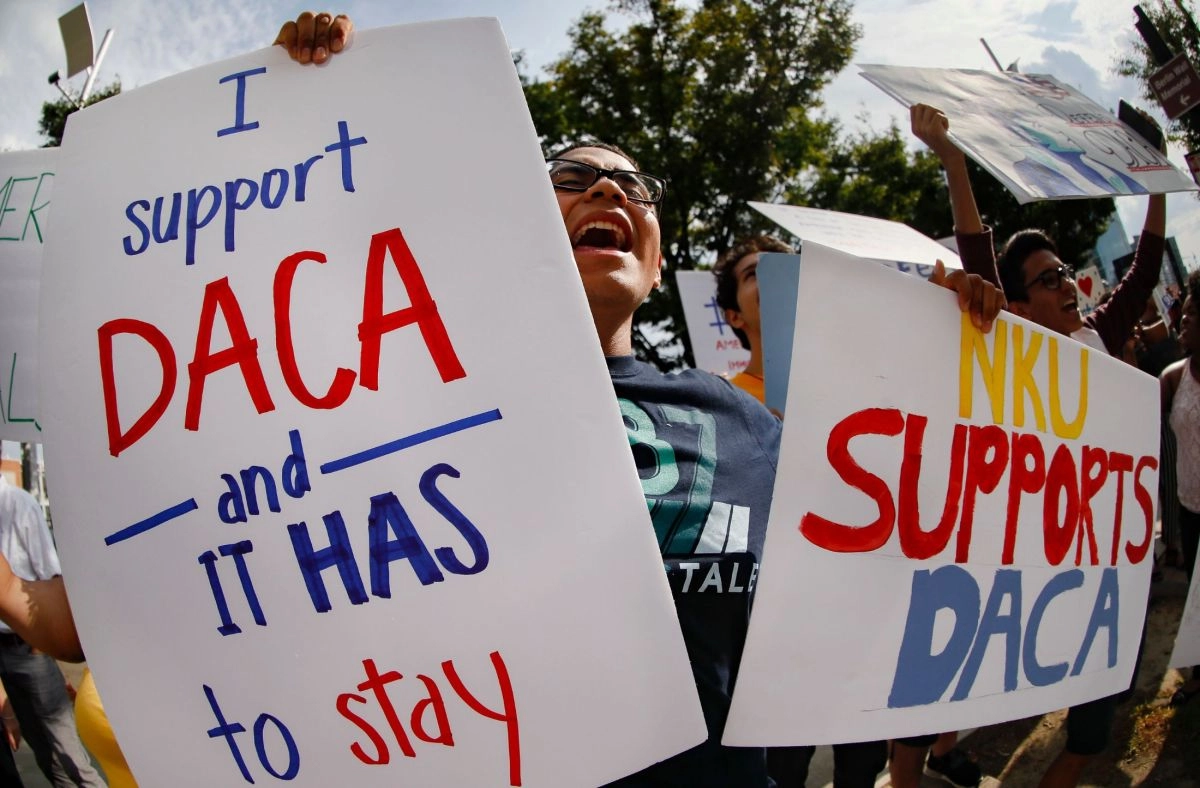

DACA beneficiaries face one of the most uncertain moments since the creation of the program in 2012. Added to the decrease in the number of renewals processed by the United States Citizenship and Immigration Services (USCIS) is a legal battle in Texas that could affect the work permits of thousands of undocumented young people known as dreamers.
According to an analysis published by Forum Together, USCIS completed 35,648 DACA renewals during the first quarter of fiscal year 2026, a drop of almost 50% compared to the same period the previous year, when it processed nearly 70,000 applications.
The reduction in the pace of processing raises concerns because each delayed renewal can temporarily leave a beneficiary without authorization to work and without the protection from deportation that the program offers.
Fewer renewals and more delays
The figures show that as of December 31, 2025, there were 495,320 active DACA recipients, a steady decline from the 533,280 recorded a year earlier.
According to Forum Together, although some beneficiaries have managed to obtain residency through other means, such as marriage to US citizens or work visas, much of the decrease is due to increasing administrative delays.
Processing times, which in fiscal year 2025 were around 15 days, can now extend between 70 days and up to six months, leaving thousands of people unable to work legally during that period.
Texas could change the future of DACA
Another source of uncertainty is the litigation Texas vs. United States, which is still awaiting a new resolution from federal judge Andrew Hanen.
The Fifth Circuit of Appeals determined that the protection against deportation offered by DACA can be maintained, but left open the possibility of eliminating work permits for beneficiaries who reside in Texas.
Currently, that state has 82,410 beneficiaries, the second highest number in the country after California.
If this scenario were to materialize, thousands of Dreamers could retain immigration protection, but would lose authorization to work legally, a situation that would also affect employers and local economies.
Congress remains the only permanent solution
The report highlights that DACA continues to be a temporary program that depends on judicial and administrative decisions. Although President Donald Trump declared in January 2026 that beneficiaries of the program “should feel safe” and expressed his willingness to work with Congress to find a solution, so far there is no immigration reform that grants permanent status.
For specialists, only legislation approved by the United States Congress will be able to guarantee legal stability for hundreds of thousands of dreamers, who have been living, studying and working in the country for almost two decades.