

ICE will invest more than $300 million in new deportation tools
ICE officials are expanding the deployment of biometric apps and facial images to locate immigrants
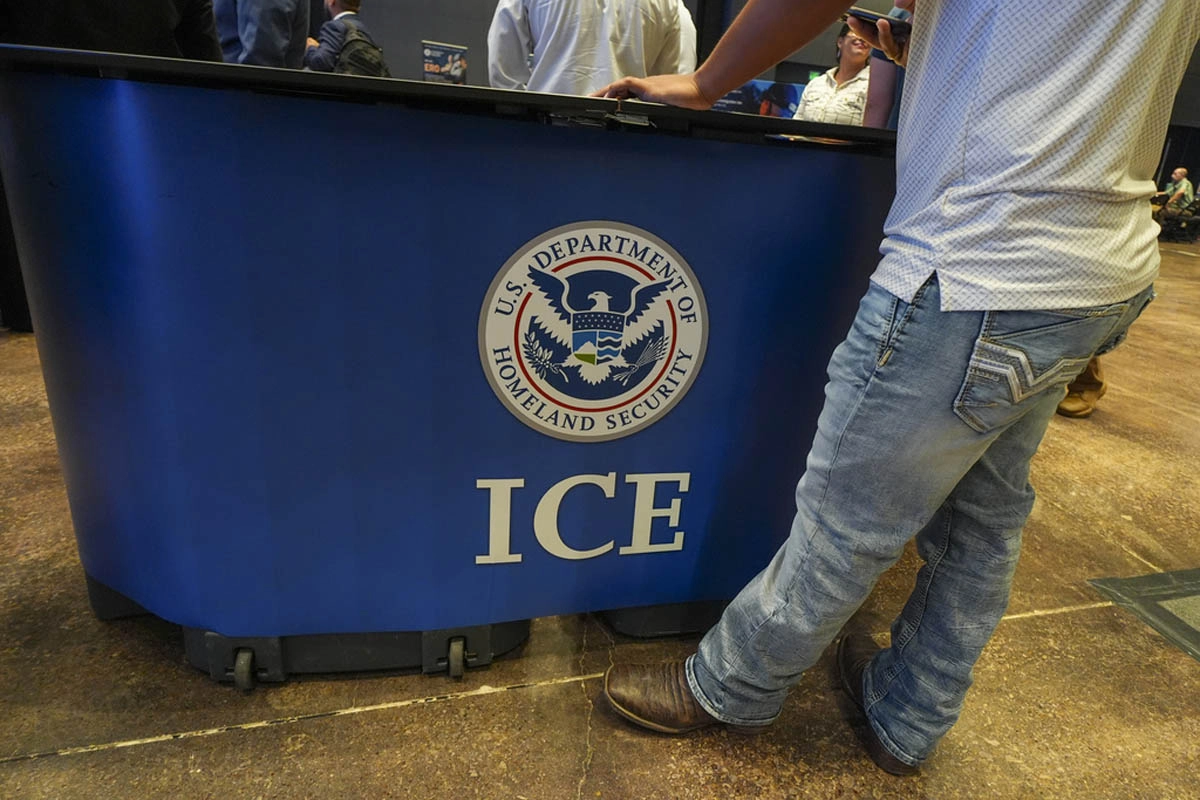

According to federal records reviewed by US media, Immigration and Customs Enforcement (ICE) is allocating hundreds of millions of dollars to new surveillance tools as the government moves forward with its policy of mass deportations driven by the Trump administration.
The documents reveal that more than $300 million is earmarked for monitoring technologies Social media, facial recognition, license plate readers, and location-tracking services are being used in one of the largest expansions of digital surveillance in the agency's recent history. As ICE strengthens these systems for identifying and tracking undocumented immigrants, civil liberties organizations warn that the program could end up ensnaring U.S. citizens and legal residents as well, drastically expanding the reach of domestic surveillance. The technological rollout is part of the White House's strategy to toughen immigration enforcement, a policy that critics say normalizes the use of intrusive tools and weakens historical barriers that protected privacy from federal power. Contracting records show that the Department of Homeland Security (DHS) awarded Palantir Technologies more than $139 million to operate ICE's Investigative Case Management system, with a contract in effect since 2022 and potentially extendable through 2026.
Facial Recognition and Sensitive Data
This agreement is in addition to a $3.75 million contract with Clearview AI, which could exceed $9 million if options are renewed until 2027, to provide Homeland Security Investigations with facial recognition software funded from ICE's own accounts.
DHS stated that all technology used by its components must comply with internal policies, privacy requirements, and oversight frameworks.
Although he avoided referring to specific vendors or tools in statements to the press.
In addition, ICE is expanding its use of mobile biometric applications that allow agents to capture fingerprints and facial images in the field, such as Mobile Fortify, a tool that accesses government databases to identify people in public spaces.
Since 1974, the Privacy Act has prohibited the federal government from creating a centralized database of personal information, but ICE has signed extensive data-sharing agreements with agencies such as the Social Security Administration, the IRS, and the Department of Health, under the protection of executive orders.
These agreements allow for massive requests for information: the agreement with the SSA authorizes up to 50,000 records per month, while in just four months ICE requested more than one million files from the IRS, a practice that critics say erodes legal data protections.
Jay Stanley, senior policy analyst at the ACLU, warned that facial recognition has become a technology of raids marked by systematic invasions of privacy, frequent errors, and racial disparities that disproportionately affect minorities.
This news has been tken from authentic news syndicates and agencies and only the wordings has been changed keeping the menaing intact. We have not done personal research yet and do not guarantee the complete genuinity and request you to verify from other sources too.