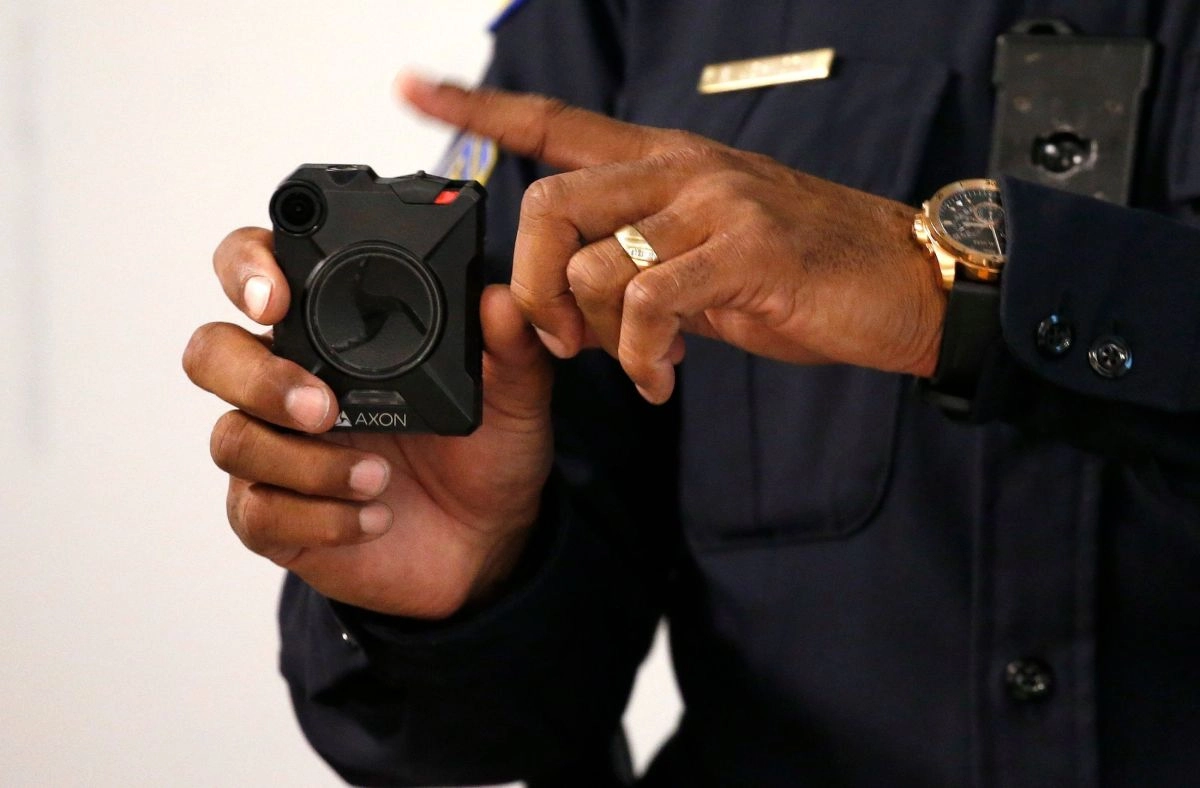

The Immigration and Customs Enforcement Service (ICE) will begin equipping its agents with body cameras at the end of September, a measure that seeks to increase supervision during immigration operations, although the agency's own policy maintains doubts about the transparency of the recordings.
According to the AP, ICE will have the power to decide when to make public videos obtained during high-impact encounters, including those related to use of force, serious injuries or deaths caused by agents.
Internal policy establishes that recordings may be released when the agency determines that doing so is in its “best interests,” a clause that has raised questions among policing and civil rights specialists.
ICE will control the dissemination of videos of serious incidents
The new measure comes after years of delays in adding body cameras for field agents and amid growing pressure to improve accountability in immigration operations.
Under ICE regulations issued in February 2025, agents must activate cameras during actions such as arrests, search warrants, investigations and emergency responses.
However, when an incident occurs where an officer causes death or serious injury, a committee made up of agency officials and attorneys will review the material before recommending whether it should be made public.
Experts warn that this mechanism could allow selective publication of images.
Christopher Schneider, professor at Brandon University in Canada and co-author of the book 'Police Body Cameras: The Media and the New Discourse of Police Reform', pointed out that this practice can turn cameras into image management tools.
“In a way, ICE is saying out loud what many are silently thinking,” Schneider said. “Body cameras are being used as modern imaging tools to present police to the public in the most favorable light possible.”
Transparency, the point of debate
The program represents an investment of tens of millions of dollars in public resources, which is why civil rights organizations have called for stricter rules to guarantee access to the recordings.
The agency maintains that the cameras will help document the procedures of its agents and strengthen security during operations.
However, the debate focuses on who will have final control of these images and whether citizens will be able to quickly learn what happened in operations where there are accusations of abuse of authority.