Keys to understanding the reclassification of cannabis: it will have profound implications on its use and marketing
More states may now seek to legalize marijuana, but these changes will depend on congressional approval
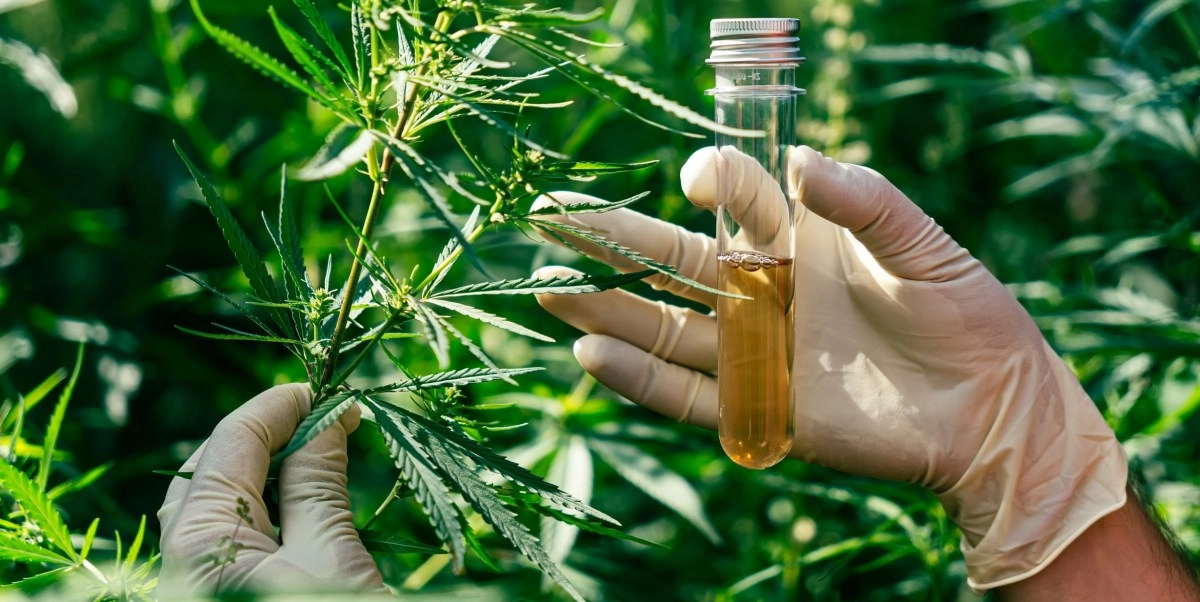
The choice of President Donald Trump to switch marijuana from Schedule I to Schedule III has significant implications for cannabis policy. The signing of the executive order in this regard marks the most logical change in national drug policy in 50 years. Although this legislation does not make the drug legally available at the national level, it suggests that producers may experience a change in perception that would facilitate funding and lower their taxes. Despite the new categorization, states that have legalized its use for both medicinal and recreational purposes may still be able to purchase hemp. More states may make pot legal, but the outcome will depend on the acceptance of the president. What exactly does the classification entail? Purchase. Only the 38 states that legalized medical pot and the 24 states that permit its pleasure use will continue to sell cannabis. rules for travel. The federal government still prohibits the transit of cannabis, which means that consumers cannot take it on airplanes. Interstate transportation's possibility has not changed.
results on the market. The classification might lower cannabis prices because it would lower companies ' tax burdens. Because they trafficked a Schedule I substance, cannabis businesses have until now been unable to deduct standard operating expenses ( rent, payroll, marketing ). They incurred efficient tax prices as high as 70 to 80 %. Additionally, black market prices will remain constant until the potentiometer's provide matches the legal source.
Public heath The Centers for Medicare & Medicaid Services ( CMS ) receives direct instruction, which is a novel addition to this order. In April, a program will be introduced to allow Medicare beneficiaries to receive reimbursements for medical cannabis and cannabidiol ( CBD ) treatments on the recompensation of a doctor.
Legal. Technically speaking, state recreational industry ( California, New York ) continue to operate within the tight confines of Schedule III, which requires FDA approval for each item and pharmacy dispensing. Additionally, it lowers the priority for fugitive trafficking, but it still leaves the federal sanctions in place for unregulated trafficking. Legally recognized as medicine, the market is still tolerated as a fun form.
clinical evaluation By removing administrative and regulatory obstacles, it will substantially facilitate scientific research. This new group acknowledges its accepted medical use and lower risk of abuse, giving more people access to federal funds, laboratories, and scientific studies than previously required stipulated specific licenses.
Possible legal problems
Researchers warn of the possibility of legal disputes as a result of the classification. Cannabis-opposed groups have voiced their opposition and warn that legitimate disputes might happen, putting strain on the measure's implementation.
The legislation undoubtedly transforms weed from a" road drug" to a "reimbursable cure" for a significant group of Trump's followers: seniors.
Process for legalizing states
States generally start with citizen initiatives, congressional proposals, or referendums. These require a popular vote, a ballot, and legitimate signatures ( such as 5 to 10 % of the previous vote ).
Important Steps
Federal-state conflicts are lessened by reclassifying cannabis, which leads to more research and tax deductions, but states must pass independent laws, as 40 states now permit clinical use.
You might also be interested in:
This news has been tken from authentic news syndicates and agencies and only the wordings has been changed keeping the menaing intact. We have not done personal research yet and do not guarantee the complete genuinity and request you to verify from other sources too.