
A new dispute between the United States and Canada over the failure of several negotiations has revived in recent days not only tensions between the two countries over a trade war, but also the uncertainty of the Americans over a wave of higher prices on certain products that could hardly affect their budgets.
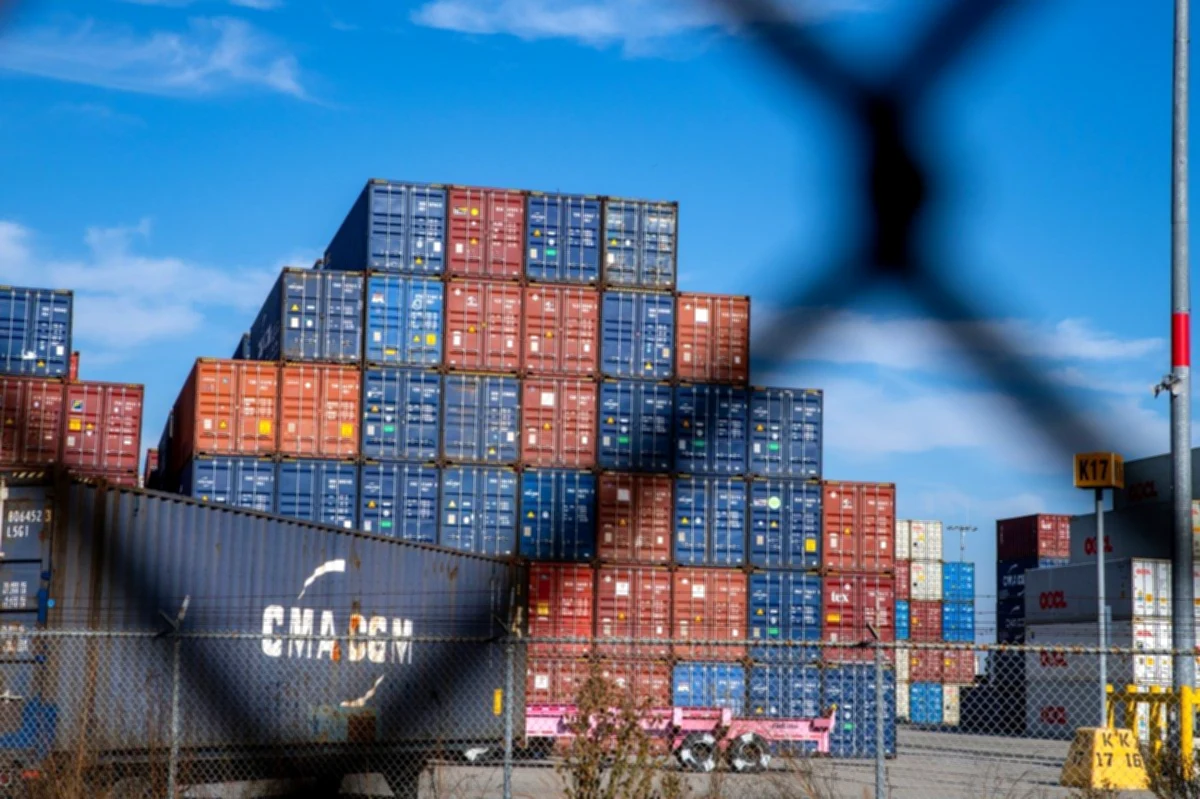
On August 22, the United States began applying a 50% tariff on Canadian goods worth approximately $27.6 billion, to which Ottawa responded with the so-called “dollar-per-dollar and rate-per-tax” principle, imposing tariffs of 15%, 25% and 50% on U.S. goods, which are expected to enter into force on September 8.
On Monday again, President Donald Trump not only criticized Canada's trade policies towards the United States, calling them "unfair", but also announced that from January the tariffs on cars and auto parts manufactured in the neighboring country could double.
The US president said on Truth Social: “In terms of trade, and in other respects, they are among the worst nations in the world to deal with,” he said, referring to Canada. “They rightfully believe everything, but we don’t need Canada, they need us,” Trump said.
However, for Americans, this new wave of tariffs only translates into one thing: higher prices. The list of products affected includes alcoholic beverages, motorcycles, cosmetics, clothes and footwear, dairy products, whey proteins, as well as sweaters, beetles, flowers and national flags, among others.
Although the increases will vary from one item to another, the measures to be taken by the United States could be to increase its domestic manufacturing or replace it with an import from another trading partner; however, the U.S. Not only has it imposed higher tariffs on Canada, but a list of other 60 countries with tariffs of up to 50%.
For Campbell Harvey, a professor at Duke’s Fuqua School of Business, “this is a classic trade war situation: someone imposes a tariff, another country responds dollar for dollar and then more tariffs are added. Then we reached a really unfavorable balance,” he told ABC News.
Jason Miller, a professor of supply chain management at Michigan State University, added that eventually importers will see an increase in costs, which will negatively affect their margins. “It is expected that they will have to raise prices to some extent.”
Although Harvey expressed that for now the volume of trade affected by these tariffs is very small and the impact on consumers will be very moderate, and although it will not be very noticeable in the short term, “there are potentially very negative effects in the long run,” he said.
Among the negative effects of tariffs, according to research by the Yale Budget Laboratory, U.S. households could take on an average of $1,000 a year, this amid a high inflation rate that already strikes their reduced budgets.