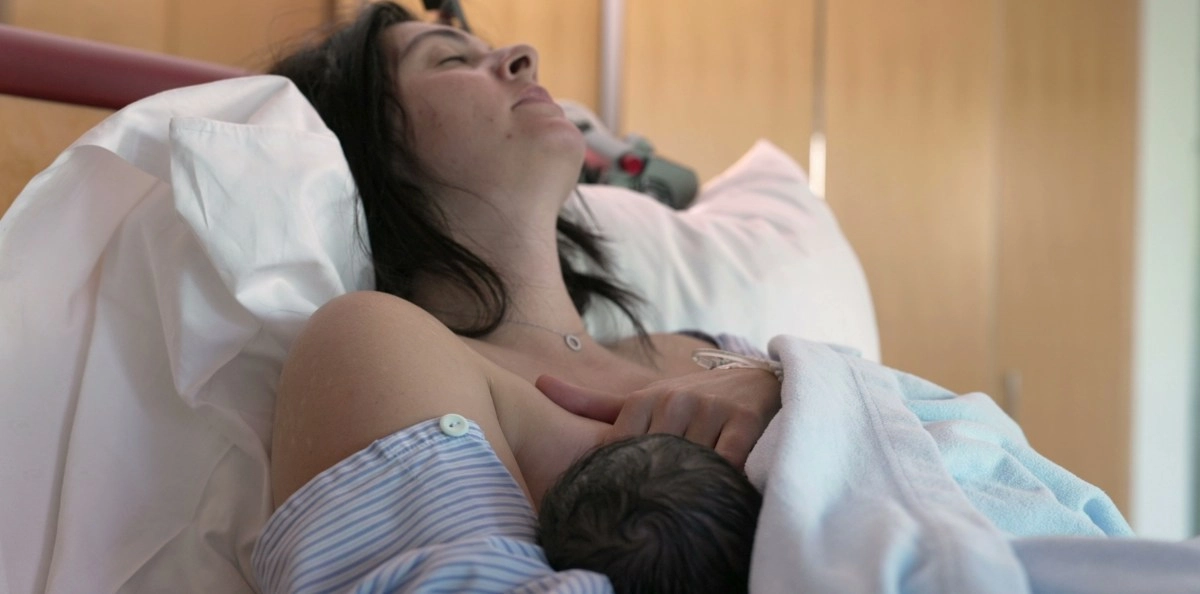

A recent study published in JAMA Network Open reveals that rates of postpartum depression have doubled in the last decade, increasing from 9.4% in 2010 to 19% in 2021. Improvements in diagnostic methods have contributed to this increase.
Postpartum blues are common, affecting approximately 80% of new mothers, causing sensitivity but not interfering with daily life. However, it is important to identify when these symptoms turn into postpartum depression, which requires professional attention.
Recognizing and treating postpartum depression is essential, Dr. Tiffany Moore Simas, an obstetrician-gynecologist at the University of Massachusetts Chan School of Medicine, told the Associated Press (AP).
She adds that mothers who do not receive treatment may have trouble bonding with and caring for their babies, and may even be at higher risk of suicide.
“That you are healthy will be essential for your baby to be healthy,” emphasizes Moore Simas.
Warning signs and symptoms
Experts warn that persistent sadness beyond two weeks, along with intense feelings of hopelessness and anxiety, are signs of postpartum depression. Mothers may experience problems connecting with their babies or self-harming thoughts.
“Mothers will feel a little more sensitive than normal,” said Dr. Jennifer Payne, an expert in reproductive psychiatry at the University of Virginia.
But there is also no single cause of postpartum depression. Genetics, physical changes, and emotional problems can contribute to it.
Jenna Carberg of Orlando, Florida, who suffered from postpartum depression after the birth of her daughter and shared her story of struggle and recovery with the AP, highlighted the importance of seeking help and the positive impact of proper treatments.
He noted that finding the right medication was the key to his recovery. “I felt like myself again,” Carberg said after taking the stimulant Vyvanse.
Other medications include antidepressants such as Zoloft or Prozac, or Zurzuvae, the first pill approved for postpartum depression. Psychological therapy is another common treatment, and experts also emphasize the importance of getting enough sleep and having the support of family and friends, reports AP.
Treatment and support options
Postpartum depression is treatable. Options include medications, psychological therapy, and support from family and friends. The Carbergs have now created an online resource to provide assistance to others facing this disease.
Mothers who suspect they have postpartum depression are advised to consult a health professional. Persisting in seeking treatment is crucial to recovery and family well-being.
Postpartum depression among first-time mothers and those with more than one child
Generally, the core symptoms of postpartum depression are the same for first-time mothers (primiparous) and mothers with more than one child (multiparous): sadness, frequent crying, fatigue, anxiety, difficulty bonding with the baby, and changes in sleep/feeding.
However, there are important differences in frequency, intensity and associated factors:
Depressive symptoms: 22.2% of first-time mothers have depressive symptoms, while 11.6% of multiparous mothers suffer from it.
Feelings of sadness: 53.4% ​​of first-time mothers report sadness, compared to 36.2% of mothers with more than one child.
Anxiety: 37.2% in first-time mothers; 25.7% in mothers with more than one child.
Although the symptoms are qualitatively similar, new mothers experience postpartum depression more frequently and more intensely than mothers with previous experience. The main difference is in the prevalence, not the type of symptoms.
You may also be interested in:
· It's not just knowing which is the safest contraceptive method, but how it affects you · Preeclampsia, a complication of pregnancy that affects tens of thousands of mothers and half a million babies a year · Mothers who consume vitamin D during pregnancy bring babies to life with certain cognitive improvements