
Contrary to what one might believe, vacations are a source of stress, because you have to organize travel, prepare family gatherings and countless events of celebration and enjoyment of food and drinks. All of this generates anxiety and logistical challenges that can sometimes be exasperating. In this regard, Dr. Jeremy London, a cardiothoracic surgeon, has warned about the danger of heart attacks reported every year during the holiday season. The most critical day is Christmas Eve, where celebrations and excessive consumption of food and drinks increase the risk. This phenomenon, which occurs during these days and increases activity that can overload the heart, is known as "holiday heart syndrome." "Every year, like clockwork, we see a sudden spike in heart attacks at Christmas and New Year's," the South Carolina surgeon said on his Instagram account. Triggering Factors: The combination of emotional stress, family obligations, and cold weather can negatively affect heart health. This vasoconstriction and changes in eating habits are key elements that contribute to the increase in heart attacks. Atrial fibrillation, an abnormal heart rhythm, is also associated with excessive alcohol consumption and high salt intake. Cardiologists warn that this condition can lead to strokes and clot-related complications. Dr. Glenn Hirsch, chief of the cardiology division at National Jewish Health in New York, told Fox News Digital that holiday heart syndrome generally refers to the onset of an abnormal heart rhythm. “Often, the combination of excessive alcohol consumption, high salt intake, and heavy meals can trigger it. Add to that travel, stress, and lack of sleep, and it lowers the threshold for entering that rhythm,” Hirsch explained.
Symptoms of Holiday Heart Syndrome
Symptoms usually appear hours after ingestion and require immediate medical attention if they persist. Monitoring them is key to avoiding complications such as prolonged atrial fibrillation.
Main symptoms. The most common include palpitations, which feel like rapid or irregular heartbeats in the chest, often transient, but which can last for minutes. Dizziness or lightheadedness may also occur, due to a lack of adequate oxygenation from the altered rhythm. Other signs are shortness of breath (dyspnea) and general fatigue.
Serious symptoms. In more serious cases, chest pain or pressure, cold sweats, nausea, or fainting may occur, which could indicate a more serious problem such as a heart attack. Extreme weakness, mental confusion, or thready and irregular pulses may also be present.
Chronic drinkers may show signs of heart failure, such as leg swelling.If you notice these symptoms after overindulging, seek urgent medical attention, as they usually subside once the alcohol is metabolized, but not always.
Preventing Heart Risk
Experts suggest maintaining moderation in food and drink, as well as managing stress properly.
Daily exercise and adherence to prescribed medication are fundamental measures.Practical Tips:
Avoid excessive alcohol consumption and salty foods.
Prioritize quality sleep and mindfulness techniques.
Engage in physical activity, such as walking 5,000 to 10,000 steps.
Heart health can be compromised during the holiday rush, but with caution and appropriate measures, it is possible to reduce these risks.
Recommended Exercises
Aerobic and deep breathing exercises stand out as the most effective for reducing holiday stress, as they release endorphins and activate the parasympathetic nervous system. These activities help lower cortisol levels, improve sleep, and relieve muscle tension accumulated from the demands of the holidays. Incorporating them daily, even in short 10-20 minute sessions, maximizes their benefits.
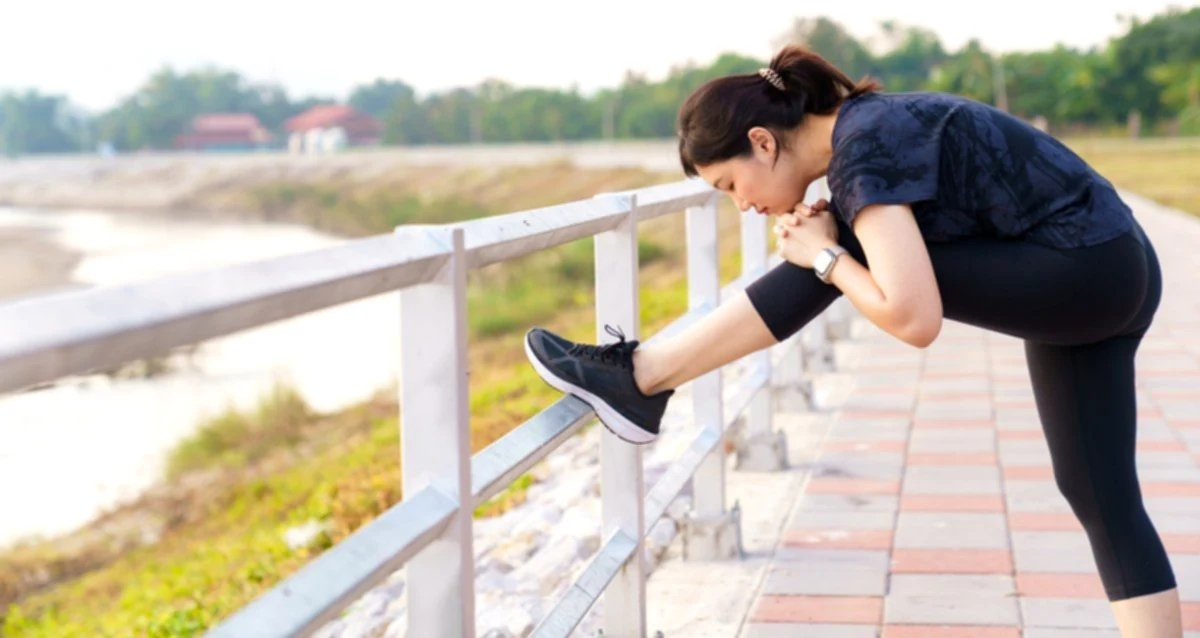
Aerobic exercises. Activities such as running, cycling, swimming, or brisk walking stimulate the release of endorphins and provide immediate stress relief. They are ideal during the holidays due to their low impact and accessibility, as are activities like climbing stairs or dancing. Do them outdoors to enhance your connection with your surroundings and reduce tension.
Breathing and muscle relaxation. Diaphragmatic breathing involves inhaling through the nose, expanding the abdomen, and exhaling slowly, activating the vagus nerve for a state of calm.
Progressive muscle relaxation tenses and releases muscle groups for 30 seconds each, slowing breathing and easing anxiety. Try chest extensions on a towel or gentle neck mobility exercises to counteract tense postures. Yoga and strength. Yoga, with poses like downward-facing dog or cat-cow, combines movement and mindfulness to improve mood and reduce anxiety symptoms. Strength training such as squats or push-ups releases tension and distracts the mind from holiday worries. Opt for short routines at home to maintain consistency. You may also be interested in: