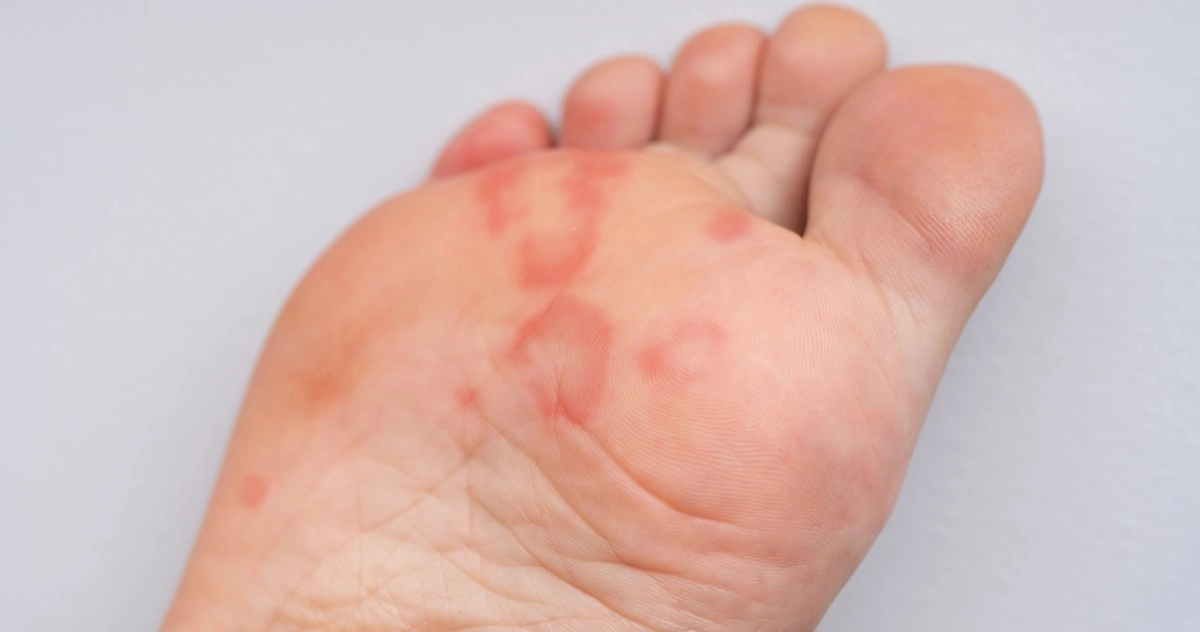

Red spots on the feet are a more frequent dermatological consultation than one might think. These skin manifestations can range from small, barely visible spots to extensive areas of redness that cause immediate concern. Although in most cases they are benign conditions related to circulatory factors, allergies, or minor irritations, their sudden appearance often causes anxiety among those who experience them. The skin of the feet, constantly subjected to pressure, friction, and enclosed for hours in footwear, has particular characteristics that make it vulnerable to various conditions. Understanding the causes behind these spots and knowing the available treatment options is essential to addressing them appropriately and determining when it is necessary to consult a healthcare professional. Why do they appear? The appearance of red spots on the feet can be due to multiple factors, from simple and easily treatable causes to conditions that require specialized medical attention. Identifying the origin of these skin manifestations is the first step in applying the appropriate treatment and preventing future complications. Among the most frequent reasons for the appearance of red spots on the feet is contact dermatitis, an allergic reaction caused by direct contact with irritants present in socks, shoes, detergents, or cosmetic products. This condition usually manifests as redness, itching, and sometimes small blisters in the affected areas. Venous insufficiency is another common cause, especially in people who spend long periods standing or sitting. When blood circulation in the lower extremities does not function properly, blood can accumulate, causing reddish or purplish spots, particularly on the ankles and insteps. This phenomenon is frequently accompanied by a feeling of heaviness and slight swelling. Fungal infections, Commonly known as athlete's foot, these infections can also present with red patches, although they are usually accompanied by scaling, intense itching, and a foul odor. These infections thrive in warm, moist environments, such as inside athletic shoes. Plantar psoriasis is another condition that can manifest with red, scaly plaques on the feet.It is a chronic autoimmune disease that requires medical monitoring, although its flare-ups can be controlled with appropriate treatment. Other possible causes: Less common but equally important conditions include purpura, small red spots caused by bleeding under the skin due to capillary fragility or platelet abnormalities. Vasculitis, inflammation of the blood vessels, can produce raised, painful red patches. In rare cases, the patches could be related to systemic diseases such as diabetes, liver problems, or reactions to medications. Treatment options: The therapeutic approach depends directly on the underlying cause. For contact dermatitis, the key is to identify and eliminate the irritant, while applying mild corticosteroid creams under medical supervision to relieve inflammation. Keeping the area clean and dry speeds up recovery. When the problem is circulatory, elevating the legs regularly, wearing compression stockings, and doing moderate exercise improves venous return. In these cases, the doctor may prescribe venotonic medications that strengthen the vein walls. Fungal infections require topical or oral antifungals depending on the severity of the condition. It is crucial to complete the treatment even if the symptoms disappear early, to avoid relapses. Changing socks daily and allowing shoes to air out between uses prevents new infections. For psoriasis, there are topical treatments with vitamin D derivatives, corticosteroids, or keratolytic agents that help control flare-ups. More severe cases may benefit from phototherapy or systemic medications.
Preventive Measures
Prevention plays a crucial role in foot health. Wearing breathable footwear made of natural materials reduces the accumulation of moisture and heat. It is advisable to alternate shoes daily to allow for complete ventilation. Cotton socks or socks made of moisture-absorbing fibers minimize the risk of infection.
Maintaining proper foot hygiene, carefully drying between the toes after washing, is a basic but effective measure. Moisturizing the skin with specific foot creams prevents dryness and cracks that can facilitate infections.
Avoiding walking barefoot in public spaces such as swimming pools, gym showers, or locker rooms significantly reduces the risk of fungal infections. Similarly, not sharing shoes or towels with other people is a basic preventative measure.
You may also be interested in:
· Dermaplaning, a facial aesthetic procedure that has gone viral and is not recommended· How dangerous is a heart murmur? How to treat it