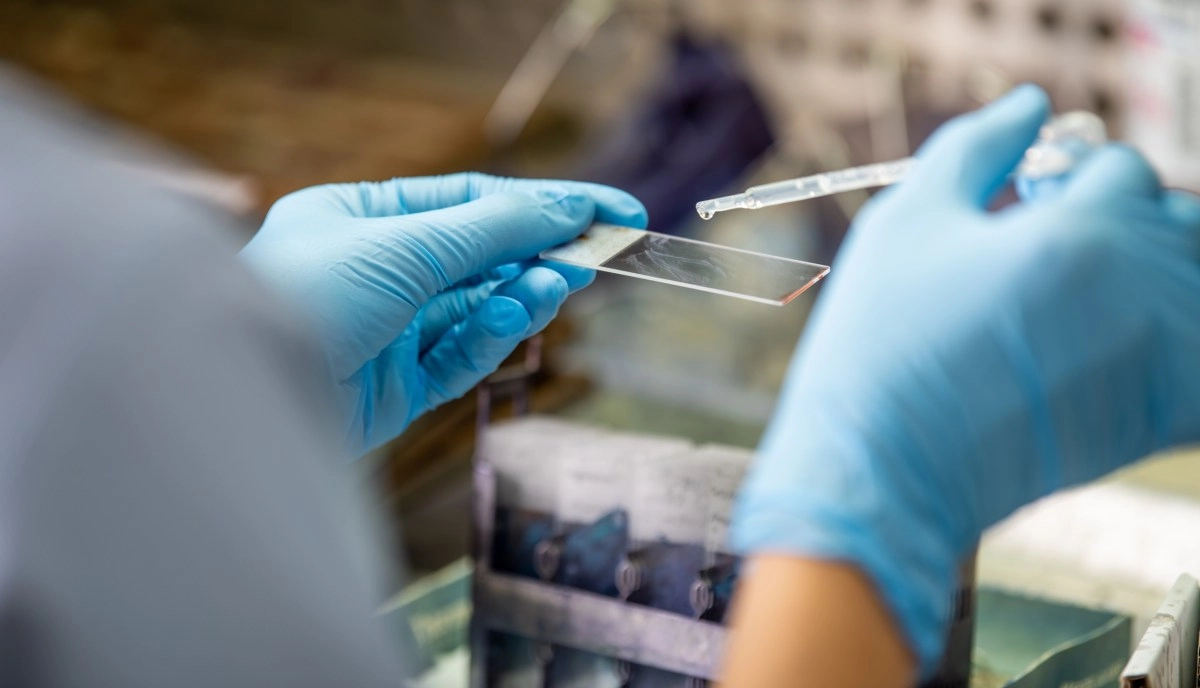

Researchers from the University of Seville and the French National Agricultural Research Institute (INRAE) have discovered the molecule isovalerate, produced by the intestinal microbiota, which strengthens the intestine's defenses. This finding, funded by the Junta de Andalucía, has significant implications for digestive health, reports EFE.
Isovalerate has been shown to be effective in strengthening the intestinal barrier, preventing the passage of harmful microorganisms and harmful substances. This effect is critical to prevent digestive and inflammatory problems.
Studies reveal that isovalerate activates mechanisms related to innate immunity and defense against oxidative stress, contributing to general intestinal well-being.
Food sources of isovalerate
Isovalerate is found in various foods, including lean meats (chicken, turkey and beef), fish (salmon or tuna), dairy products (Parmesan cheese), legumes (beans, dried peas) and seeds. Including these foods in the diet could enhance the natural production of this beneficial molecule.
The findings open the door to the creation of specific nutritional strategies to increase isovalerate levels, as well as their potential application in the treatment of microbiotal disorders and chronic inflammatory diseases.
Diet to maximize the benefits of isovalerate
To maximize the benefits of isovalerate, the most useful thing is to support its production in the intestine with a diet rich in protein and fermentable fiber, and reduce ultra-processed foods and simple sugars. The microbiota can be benefited by whole foods, fruits, vegetables and fermented foods, while a balanced and frequent diet helps support general digestive function.
Helpful dietary changes
Practical example
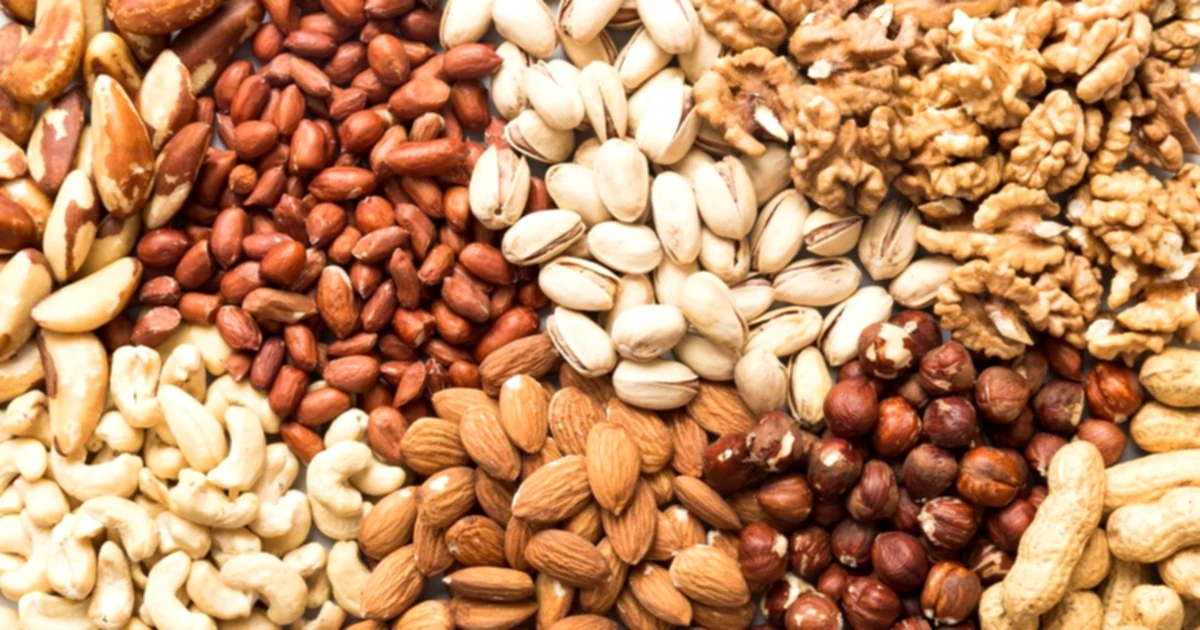
A day geared toward this might include oatmeal with yogurt and fruit for breakfast, a meal with chicken or legumes, brown rice, and vegetables, and a dinner with fish and vegetables, plus a snack with nuts or cheese.
Important nuance
If you are looking to increase isovalerate for a specific clinical goal—for example, intestinal health, training, or a digestive condition—it is advisable to adjust the diet according to the context, because the available evidence connects isovalerate primarily with microbial metabolism and intestinal barrier, not with a one-size-fits-all recommendation.