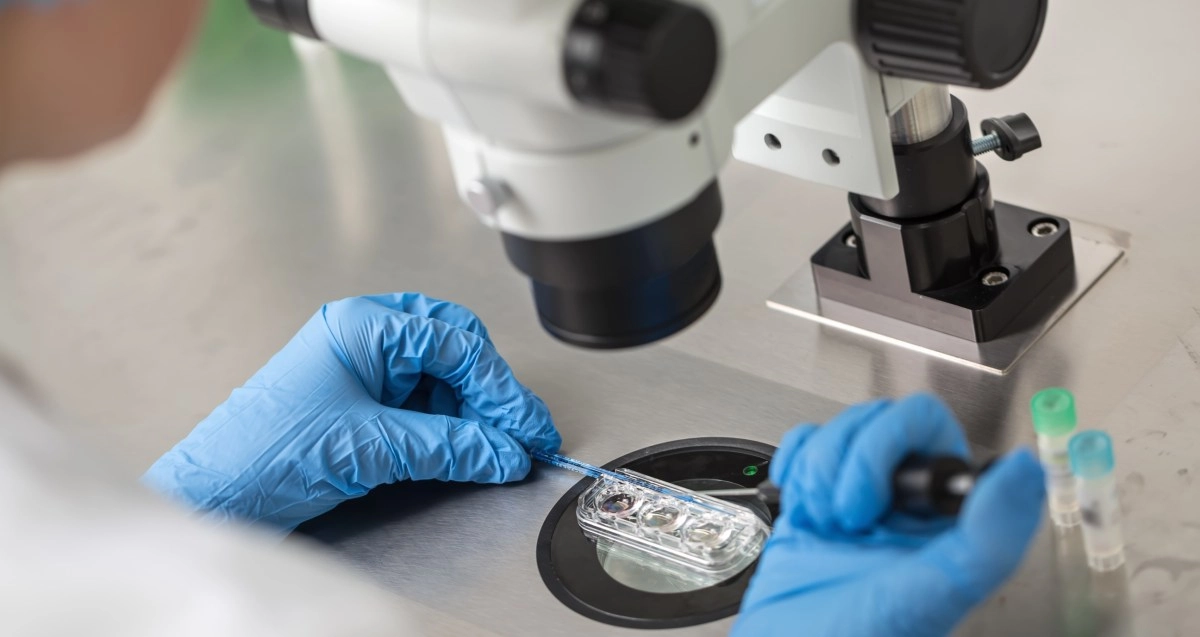

Infertility affects a significant percentage of couples of reproductive age around the world, according to data from international health organizations. Faced with this panorama, fertility treatments—and in particular in vitro fertilization (IVF)—have become a common, not exceptional, alternative to achieving pregnancy. At the center of almost all of these treatments is one key procedure: controlled ovarian stimulation.
In a natural menstrual cycle, the ovary usually releases a single mature egg. Ovarian stimulation consists of administering hormonal medications—generally injectable gonadotropins—to ensure that several follicles mature simultaneously and thus obtain multiple eggs in the same cycle.
This step is essential because the more eggs that are recovered, the greater the chances of obtaining viable embryos to transfer or freeze. The process is closely monitored through ultrasounds and blood tests, with the aim of adjusting doses and determining the exact moment for egg retrieval.
It is not a standardized procedure: the protocol, dose and duration vary depending on the patient's age, ovarian reserve, previous diagnosis and individual response to treatment.
The risk of multiple fertilization
One of the aspects that generates the most doubts—and that motivates this report—is the possibility of multiple pregnancies. This can happen in two ways:
Multiple pregnancies, although for some families they may seem like doubly happy news, carry greater medical risks for both the pregnant woman and the babies: premature birth, low birth weight, preeclampsia and a greater need for intensive neonatal care, among others.
For this reason, the international medical trend of recent decades has been clear: reduce the number of embryos transferred. Today, in most cases and especially in young patients with a good prognosis, the transfer of a single embryo (known as eSET) is recommended, selected after embryo quality studies.
Ovarian hyperstimulation syndrome
In addition to the risk of multiple pregnancy, hormonal stimulation can lead to ovarian hyperstimulation syndrome (OHSS), an exaggerated response of the ovaries to medication. In its mild forms it causes abdominal swelling and discomfort; In severe cases—rare but possible—it may require hospitalization.
Specialists insist that close monitoring of the cycle, with frequent ultrasound and hormonal controls, is the main tool to prevent this complication and adjust treatment in time.
What should you know?
Before starting an ovarian stimulation process, assisted reproduction professionals usually recommend taking several factors into account:
An informed decision
Ovarian stimulation and assisted fertilization techniques have transformed the way thousands of people build their families. But, as in any medical intervention, the benefits come with risks that must be known and weighed together with a specialized team.
Informing yourself about the available options, asking the necessary questions to the medical team and understanding that each body responds differently are key steps to travel this path with greater peace of mind.