
Mexico and the United States began their third bilateral round of negotiations on the Treaty between Mexico, the United States and Canada (T-MEC) on Tuesday, the first since Washington rejected on July 1 extending the agreement for another 16 years and activated annual reviews until 2036.
Technical teams will work for three days on issues related to steel, aluminum and its derivatives, automobiles, economic security, labor issues, agriculture and electronic payment services, according to the Office of the United States Trade Representative (USTR).
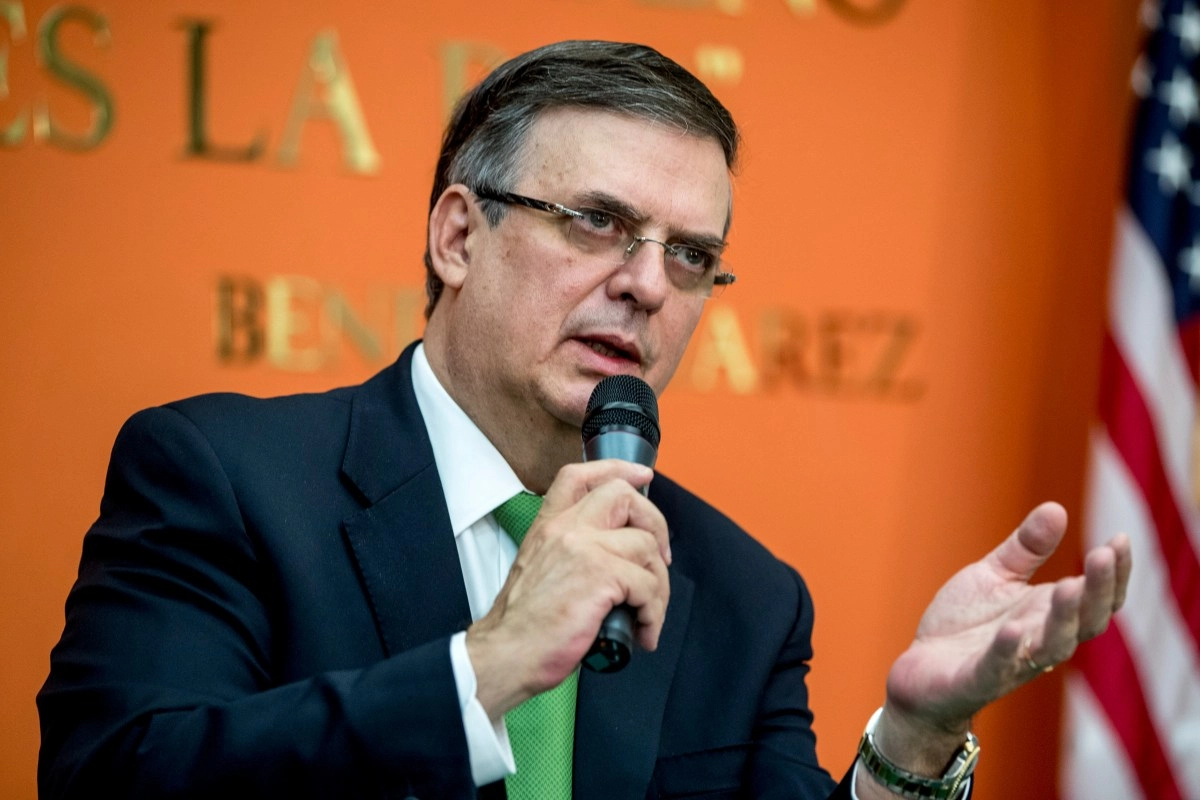
The US trade representative, Jamieson Greer, will travel to Mexico from Wednesday to Friday and will meet with the Mexican Secretary of Economy, Marcelo Ebrard, who heads the national delegation.
The agenda also includes meetings with the president of Mexico, Claudia Sheinbaum.
Sheinbaum stated that Mexico will seek to reach substantive agreements during this phase so that subsequent reviews function as a compliance checklist and not as full negotiations each year, a scheme that, he maintained, does not benefit any of the three partners.
The president also pointed out that Washington intends to tighten the rules of origin and increase the US content of regional products, but warned that Mexico must protect its economy and that the negotiation will not only consist of accepting the demands of the United States.
Ebrard arrived at the round after reviewing the common Mexican position with the Business Coordinating Council (CCE), where he highlighted that around 85% of Mexican exports enter the US market without tariffs and defended maintaining that advantage, while solutions are sought for sectoral tariffs that affect the automobile and metal sectors.
Meanwhile, the CCE, the leading body of the Mexican business community, maintains that the private sector is willing to maintain the annual reviews of the USMCA for months, and even for the rest of Donald Trump's presidency, rather than accept an unfavorable agreement, according to what its president, José Medina Mora, told EFE.
In the previous round, held from June 15 to 17 in Washington, both governments advanced on rules of origin and economic security, opened discussions on agriculture, labor and the environment, and agreed to promote a committee on regulatory compatibility.
The USTR maintains that the review should correct deficiencies in the treaty, reduce US trade deficits and ensure that its benefits accrue primarily to member countries.
Meanwhile, the Ministry of Economy has maintained that it will defend its best position against the rest of the world, in a new order of global trade with tariffs, while pushing its demands that mainly affect the aluminum, steel and automotive sectors, its main export industry. EFE