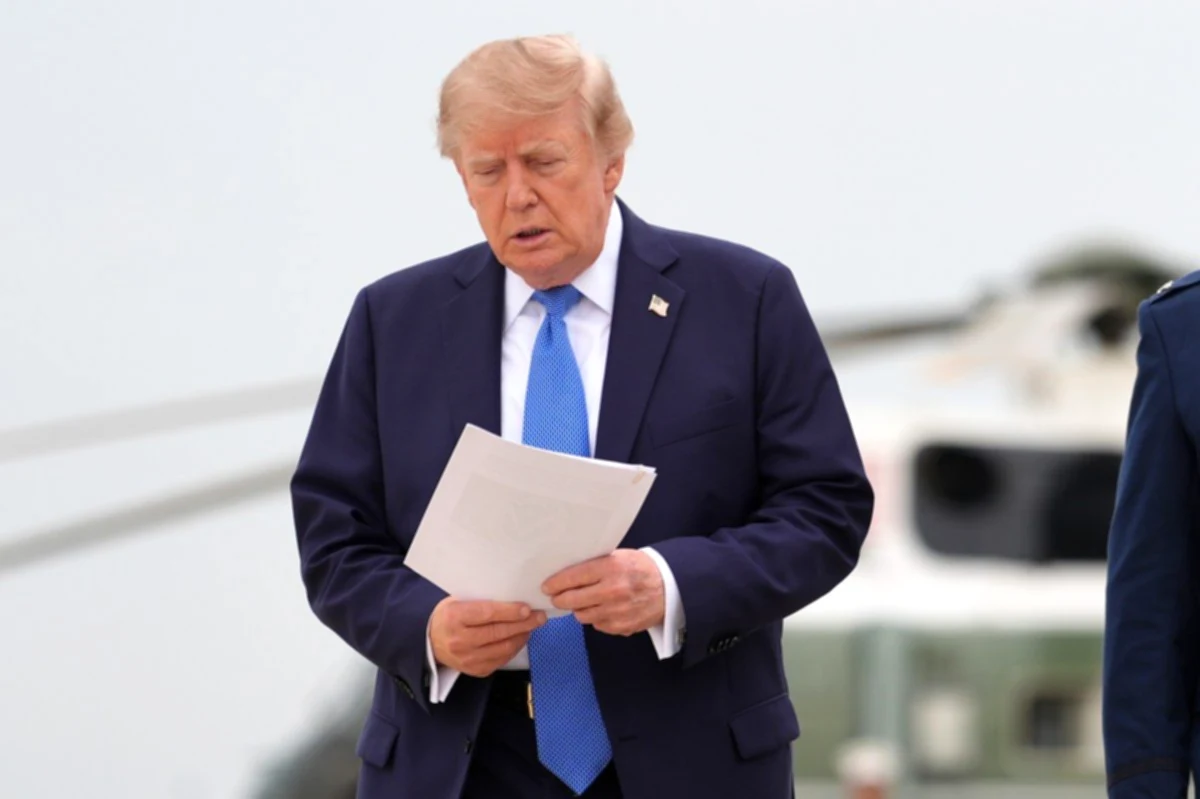

The United States confirmed this Thursday that its negotiators have reached a preliminary agreement with Iran to unblock the Strait of Hormuz and extend the ceasefire, an understanding that must still receive final approval from President Donald Trump.
Sources from the North American Government confirmed to the press the information reported exclusively by the media outlet Axios, according to which the agreement only needs the green light from the Republican president.
The digital newspaper cited two senior US officials who revealed that the agreement stipulates that navigation through the strait, blocked by Iran in retaliation for the US and Israeli offensive, will be “without restrictions.”
According to Axios, Iran will not impose any tolls in the strait, key to global crude oil trade, and the United States will lift the maritime blockade it has imposed against ships leaving and arriving at Iranian ports.
The memorandum of understanding would include Iran's commitment not to develop nuclear weapons, a red line for Trump, although it would leave for later negotiations to limit uranium enrichment by the Islamic Republic.
This issue would be addressed during the 60-day extension of the ceasefire in force since last April.
Likewise, the United States is committed to discussing the lifting of sanctions on Iran and the release of frozen Iranian funds.
During the last week, the United States and Iran have intensified, with the mediation of Pakistan, negotiations to end the war started by the United States and Israel on February 28.
Since last weekend, the White House has insisted that an agreement was a matter of days, although Tehran has lowered expectations that a deal was imminent.
According to Axios, the terms of the deal were largely agreed upon Tuesday, but both sides needed approval from their leaders.
Iran would have communicated that it gave the green light to the agreement, but Trump did not want to approve it immediately, the media noted.
The possibility that the nuclear issue is left for a later phase has provoked the rejection of several Republican senators allied to Trump who have criticized the concessions that the United States is willing to give.