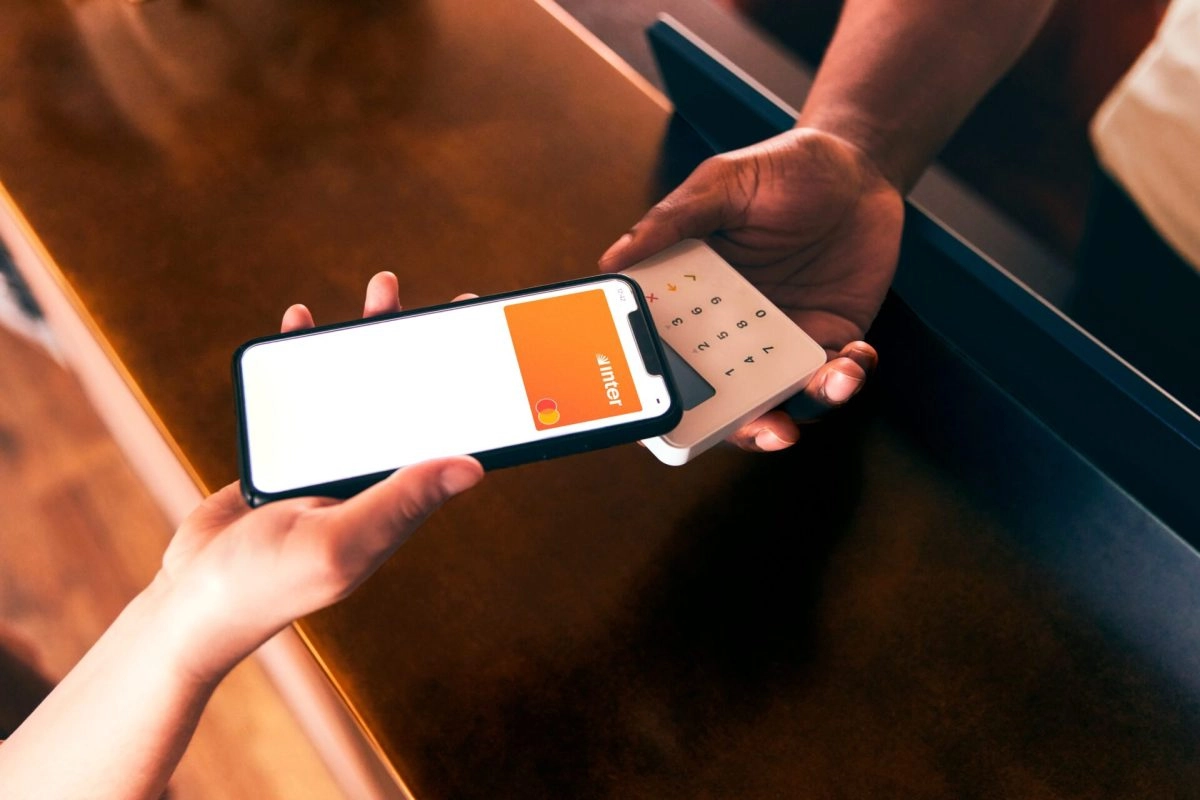

Remittances to Latin America are experiencing a digital revival: more and more users are managing them from their phones, comparing costs in seconds, and demanding transparency in fees and exchange rates. In this new landscape, not all apps are playing the same game: some originate from banking, others from the crypto world, and still others focus on international money transfers as their primary product. Inter&Co is betting on mobile banking. Inter&Co has been pushing a clear narrative: to make international transfers an integrated feature within its digital banking ecosystem, with a user experience designed for everyday use. In its guide to sending money abroad, the company describes the general process and the data typically required to complete a frictionless international transfer. In practice, the typical process involves selecting the option to transfer abroad, entering the recipient's information, and confirming the transfer after reviewing the breakdown of the amount. That point—reviewing the details before confirming—is relevant because it allows you to validate costs and avoid sending money with incomplete information.
What users should keep in mind is that an international transfer usually requires specific bank details from the recipient, such as account number and SWIFT/BIC code, depending on the country and bank. Inter&Co also states that if the transfer is made using the digital account balance, no fees apply, so the exchange rate shown becomes even more important in the final calculation.
Binance cuts costs with crypto
In the world of “non-traditional” remittances, Binance has become a frequent alternative for those who prioritize cost and speed, even though it is not a classic remittance app. The logic is well-known: move value using crypto assets and, if necessary, convert to local currency in the destination country.
Within that framework, Binance Pay presents itself as a feature for sending cryptocurrency payments between users and is promoted with a zero-fee proposition for sending/receiving within the service. The important nuance is that the crypto ecosystem can include rules and costs depending on the type of transaction,so reviewing the product's fee section is part of the "real cost" of using it. For those seeking a more practical ramp to local currency, Binance P2P appears as the second option: the user buys crypto with a payment method, transfers it, and the recipient can sell it on their local market according to available offers. Binance describes P2P as a mechanism that simplifies international transfers, but the final price depends on offers and the market context, not a universal fixed rate. At this point, the risk is usually not "if it arrives," but how much it actually arrives: the difference can come from the P2P price, the spread, the execution time, and the decision to use volatile crypto or stablecoins. Therefore, in practice, Binance tends to work better for users with some operational familiarity, rather than as a plug-and-play solution for the whole family.
Remitly maintains its remittance focus
Compared to hybrid or niche solutions, Remitly maintains a more direct proposition: international money transfers as its main service, with a workflow designed for the average user. The company reports operations in more than 170 countries, a figure that positions it as a global player in transfers and remittances.
In everyday use, the user selects the country, amount, payment method, and delivery method, and the app displays an estimate of the transfer cost and the amount the recipient will receive. Explanatory guides about the service also highlight that the final cost is not just "the commission": the exchange rate applied can include a margin and end up being more significant than the visible fee. That's the point worth examining closely, because in small remittances the cumulative effect of the exchange rate can be decisive. Remittly also typically offers different shipping options (like Economy and Express) where the balance shifts between speed and price. The result is an app that, without reinventing the wheel, competes through the clarity of its workflow and the breadth of its choices. In a market where users compare in real time, the conclusion is simple: beyond the logo, what matters is the total cost (commission + exchange rate + delivery method) and the recipient's experience upon receiving the payment. If you're sending money regularly, it's worth trying small amounts, measuring the delivery time, and repeating with the option that offers the best balance between cost, availability, and peace of mind. The important nuance is that the crypto ecosystem can include rules and costs depending on the type of transaction, so reviewing the product's fees section is part of the "real cost" of use. For those seeking a more practical on-ramp to local currency, Binance P2P emerges as the second link: the user buys crypto with a payment method, transfers it,and the container can sell it on their local market based on available offers. Binance describes P2P as a mechanism that simplifies international transfers, but the final price depends on offers and market conditions, not a universal fixed rate. At this point, the risk is usually not "if it arrives," but how much it actually arrives: the difference can come from the P2P price, the spread, the execution time, and the decision to use volatile crypto or stablecoins. Therefore, in practice, Binance tends to work better for users with some operational familiarity, rather than as a plug-and-play solution for the whole family.
Remitly maintains its remittance focus
Compared to hybrid or niche solutions, Remitly maintains a more direct proposition: international money transfers as its main service, with a workflow designed for the average user. The company reports operations in more than 170 countries, a figure that positions it as a global player in transfers and remittances.
In everyday use, the user selects the country, amount, payment method, and delivery method, and the app displays an estimate of the transfer cost and the amount the recipient will receive. Explanatory guides about the service also highlight that the final cost is not just "the commission": the exchange rate applied can include a margin and end up being more significant than the visible fee. That's the point worth examining closely, because in small remittances the cumulative effect of the exchange rate can be decisive. Remittly also typically offers different shipping options (like Economy and Express) where the balance shifts between speed and price. The result is an app that, without reinventing the wheel, competes through the clarity of its workflow and the breadth of its choices. In a market where users compare in real time, the conclusion is simple: beyond the logo, what matters is the total cost (commission + exchange rate + delivery method) and the recipient's experience upon receiving the payment. If you're sending money regularly, it's worth trying small amounts, measuring the delivery time, and repeating with the option that offers the best balance between cost, availability, and peace of mind. The important nuance is that the crypto ecosystem can include rules and costs depending on the type of transaction, so reviewing the product's fees section is part of the "real cost" of use. For those seeking a more practical on-ramp to local currency, Binance P2P emerges as the second link: the user buys crypto with a payment method, transfers it, and the recipient can sell it on their local market based on available offers. Binance describes P2P as a mechanism that simplifies international transfers, but the final price depends on offers and market conditions, not a universal fixed rate. At this point, the risk is usually not "if it arrives," but how much it actually arrives: the difference can come from the P2P price, the spread, the execution time, and the decision to use volatile crypto or stablecoins. Therefore, in practice, Binance tends to work better for users with some operational familiarity, rather than as a plug-and-play solution for the whole family.
Remitly maintains its remittance focus
Compared to hybrid or niche solutions, Remitly maintains a more direct proposition: international money transfers as its main service, with a workflow designed for the average user. The company reports operations in more than 170 countries, a figure that positions it as a global player in transfers and remittances.
In everyday use, the user selects the country, amount, payment method, and delivery method, and the app displays an estimate of the transfer cost and the amount the recipient will receive. Explanatory guides about the service also highlight that the final cost is not just "the commission": the exchange rate. applied can include a margin and end up being more significant than the visible fee. That's the point worth examining closely, because in small remittances the cumulative effect of the exchange rate can be decisive. Remittly also typically offers different shipping options (like Economy and Express) where the balance shifts between speed and price. The result is an app that, without reinventing the wheel, competes through the clarity of its workflow and the breadth of its choices. In a market where users compare in real time, the conclusion is simple: beyond the logo, what matters is the total cost (commission + exchange rate + delivery method) and the recipient's experience upon receiving the payment. If you're sending money regularly, it's worth trying small amounts, measuring the delivery time, and repeating with the option that offers the best balance between cost, availability, and peace of mind. Binance P2P appears as the second cog in the machine: the user buys crypto with a payment method, transfers it, and the recipient can sell it on their local market based on available offers. Binance describes P2P as a mechanism that simplifies international transfers, but the final price depends on offers and market conditions, not a universal fixed rate. At this point, the risk is usually not "if it arrives," but how much it actually arrives: the difference can come from the P2P price, the spread, the execution time, and the decision to use volatile crypto or stablecoins. Therefore, in practice, Binance tends to work better for users with some operational familiarity, rather than as a plug-and-play solution for everyone. Remittly maintains the remittance focus. Compared to hybrid or niche solutions, Remitly maintains a more direct proposition: international money transfers as its main service, with a workflow designed for the average user.The company reports operations in more than 170 countries, a figure that positions it as a global player in transfers and remittances. In everyday use, the user selects the country, amount, payment method, and delivery method, and the app displays an estimate of the transfer cost and the amount the recipient will receive. Explanatory guides about the service also highlight that the final cost is not just "the commission": the exchange rate applied can include a margin and end up being more significant than the visible fee. This is the point worth examining closely, because in small remittances the cumulative effect of the exchange rate can be decisive. Remittly also typically offers different sending options (such as Economy and Express) where the balance shifts between speed and price. The result is an app that, without reinventing the wheel, competes through its clear workflow and wide range of options. In a market where users compare in real time, the conclusion is simple: beyond the logo, what matters is the total cost (commission + exchange rate + delivery method) and the recipient's experience when receiving payment. If you're sending money regularly, it's worth testing small amounts, measuring delivery times, and repeating with the option that offers the best balance between cost, availability, and peace of mind. Binance P2P appears as the second cog in the machine: the user buys crypto with a payment method, transfers it, and the recipient can sell it on their local market based on available offers. Binance describes P2P as a mechanism that simplifies international transfers, but the final price depends on offers and market conditions, not a universal fixed rate. At this point, the risk is usually not "if it arrives," but how much it actually arrives: the difference can come from the P2P price, the spread, the execution time, and the decision to use volatile crypto or stablecoins. Therefore, in practice, Binance tends to work better for users with some operational familiarity, rather than as a plug-and-play solution for everyone. Remittly maintains the remittance focus. Compared to hybrid or niche solutions, Remitly maintains a more direct proposition: international money transfers as its main service, with a workflow designed for the average user. The company reports operations in more than 170 countries, a figure that positions it as a global player in transfers and remittances. In everyday use, the user selects the country, amount, payment method, and delivery method, and the app displays an estimate of the transfer cost and the amount the recipient will receive. Explanatory guides about the service also highlight that the final cost is not just "the commission": the exchange rate applied can include a margin and end up being more significant than the visible fee. This is the point worth examining closely, because in small remittances the cumulative effect of the exchange rate can be decisive.Remittly also typically offers different sending options (such as Economy and Express) where the balance shifts between speed and price. The result is an app that, without reinventing the wheel, competes through its clear workflow and wide range of options. In a market where users compare in real time, the conclusion is simple: beyond the logo, what matters is the total cost (commission + exchange rate + delivery method) and the recipient's experience when receiving payment. If you're sending money regularly, it's worth testing small amounts, measuring delivery times, and repeating with the option that offers the best balance between cost, availability, and peace of mind of the execution time and the decision to use volatile crypto or stablecoins. Therefore, in practice, Binance tends to work better for users with some operational familiarity, rather than as a plug-and-play solution for the whole family.
Remitly maintains its remittance focus
Compared to hybrid or niche solutions, Remitly maintains a more direct proposition: international money transfers as its main service, with a flow designed for the average user. The company reports operations in more than 170 countries, a figure that positions it as a global player in transfers and remittances.
In everyday use, the user selects the country, amount, payment method, and delivery method, and the app displays an estimate of the transfer cost and the amount the recipient will receive. Explanatory guides about the service also highlight that the final cost is not just "the commission": the exchange rate applied can include a margin and end up being more significant than the visible fee. That's the point worth examining closely, because in small remittances the cumulative effect of the exchange rate can be decisive. Remittly also typically offers different shipping options (like Economy and Express) where the balance shifts between speed and price. The result is an app that, without reinventing the wheel, competes through the clarity of its workflow and the breadth of its choices. In a market where users compare in real time, the conclusion is simple: beyond the logo, what matters is the total cost (commission + exchange rate + delivery method) and the recipient's experience upon receiving the payment. If you're sending money regularly, it's worth trying small amounts, measuring the delivery time, and repeating with the option that offers the best balance between cost, availability, and peace of mind. of the execution time and the decision to use volatile crypto or stablecoins. Therefore, in practice, Binance tends to work better for users with some operational familiarity, rather than as a plug-and-play solution for the whole family.
Remitly maintains its remittance focus
Compared to hybrid or niche solutions, Remitly maintains a more direct proposition:international money transfers as its main service, with a flow designed for the average user. The company reports operations in more than 170 countries, a figure that positions it as a global player in transfers and remittances.
In everyday use, the user selects the country, amount, payment method, and delivery method, and the app displays an estimate of the transfer cost and the amount the recipient will receive. Explanatory guides about the service also highlight that the final cost is not just "the commission": the exchange rate applied can include a margin and end up being more significant than the visible fee. That's the point worth examining closely, because in small remittances the cumulative effect of the exchange rate can be decisive. Remittly also typically offers different shipping options (like Economy and Express) where the balance shifts between speed and price. The result is an app that, without reinventing the wheel, competes through the clarity of its workflow and the breadth of its choices. In a market where users compare in real time, the conclusion is simple: beyond the logo, what matters is the total cost (commission + exchange rate + delivery method) and the recipient's experience upon receiving the payment. If you're sending money regularly, it's worth trying small amounts, measuring the delivery time, and repeating with the option that offers the best balance between cost, availability, and peace of mind. Because in small remittances, the cumulative effect of the exchange rate can be decisive.
Remitly also usually offers different shipping options (such as Economy and Express) where the balance shifts between speed and price. The result is an app that, without reinventing the wheel, competes through the clarity of its workflow and the breadth of its options.
In a market where users compare in real time, the conclusion is simple: beyond the logo, what matters is the total cost (commission + exchange rate + delivery method) and the recipient's experience upon receiving the money. If you send money regularly, it's worth trying small amounts, measuring delivery times, and repeating with the option that offers the best balance between cost, availability, and peace of mind.