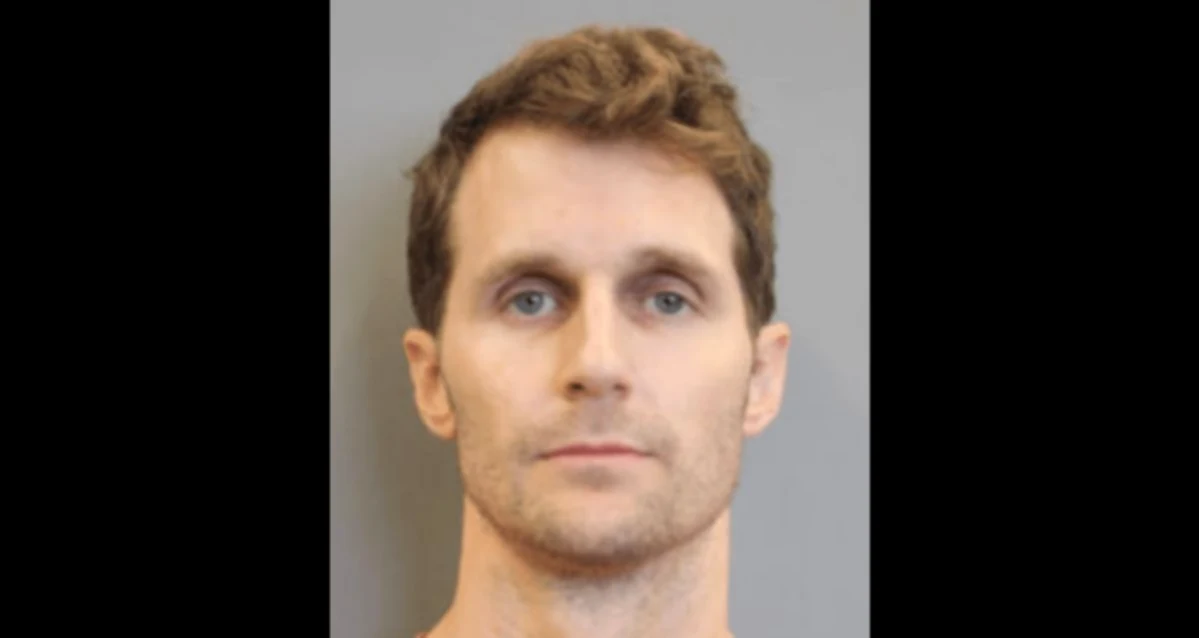

A former Florida pastor, Scott Winters, alleged in San Francisco County Superior Court (California) that he received inadequate medical advice from ChatGPT that nearly cost him his life. In his lawsuit, filed against OpenAI, the man maintains that the chatbot discouraged him from seeking medical care during critical symptoms that preceded his pulmonary embolism.
“ChatGPT-4o frequently opined and evaluated Scott's physical condition, conveying the authority and trust of a medical professional making a clinical evaluation and treatment recommendation, despite not having the qualifications to do so,” states the lawsuit, the text of which was cited by CBS News.
Winters turned to OpenAI's ChatGPT-4o model in 2025 to try to understand the cause of his frequent dizziness. Two weeks after consulting the chabot, in July, he suffered what the lawsuit describes as a “massive pulmonary embolism” due to blood clots.
The court document indicates that ChatGPT dismissed serious symptoms and recommended complete rest, suggesting he would need to experience more episodes before seeking treatment. This lack of judgment allegedly led to a critical health situation.
OpenAI responded to the allegations by stating that ChatGPT is not designed to provide professional medical assistance. A company spokesperson stressed that it is essential that users do not rely on the chatbot as a substitute for proper medical care.
Winters and Tech Justice Law, a nonprofit organization that provides legal assistance to Winters in his defense, also accuse OpenAI of exploiting the pastor's religious beliefs.
Limitations and responsibilities
OpenAI has clearly stated in its terms of service that use of ChatGPT is at the user's own risk, and should not be considered a sole source of truth. However, legal experts suggest that the nature of the chatbot's interactions could be a factor in assessing legal liability.
This case has the potential to set precedents in how the use of artificial intelligence to provide medical information is regulated. Winters' lawsuit not only seeks financial compensation, but also significant reforms to ChatGPT's safeguards.
OpenAI faces other similar litigation related to user safety, highlighting a growing pattern of concern about the risks of artificial intelligence in critical health situations. User protection and ethics in artificial intelligence are issues that urgently require legal and regulatory attention.
Medical information most susceptible to AI
The most dangerous advice is that which may delay urgent care, give incorrect doses or treatments, or reinforce a false self-diagnosis that seems convincing. Advice on medications, serious symptoms, and situations where AI mixes correct information with errors are also especially risky, because this can lead to harmful decisions.
Riskier
Why does it happen
AI can sound confident even when it is wrong, and sometimes provides answers that are incomplete, contradictory, or difficult to interpret. Additionally, some studies have found that a relevant portion of their medical responses are inaccurate or problematic, especially on topics such as nutrition, supplements, and certain interpretations of symptoms.
Rule of thumb
Use it only for general guidance, not to decide diagnoses, adjust medications or evaluate emergencies. If there are new, severe or concerning symptoms, the priority should be a healthcare professional, not AI.