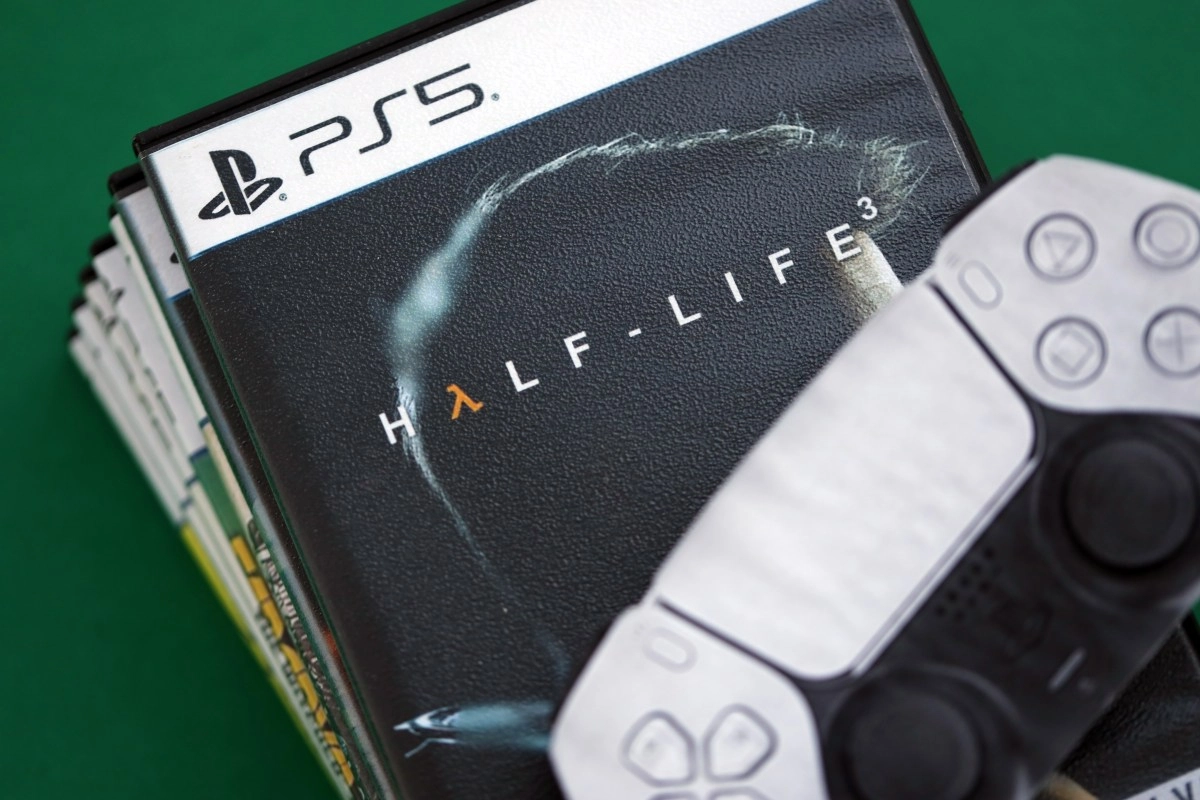

Sony has just put a date on something that many players have seen coming for years. Starting in January 2028, all new PlayStation games will be released only in digital format, without discs or boxes for PS5 or future consoles of the brand. The previous titles will continue to exist in physical form, but the future of the platform will move entirely to the digital ecosystem.
What changes for PlayStation players
Sony's announcement marks the end of the production of physical discs for new PlayStation releases from January 2028, a decision that the company justifies as a direct response to the change in consumer preferences towards the digital format. It is not a cold decision, PlayStation's own figures show that nearly eight out of every ten games sold in recent years are already purchased as digital downloads.
In practice, if you are a PS5 or next-generation PlayStation player and want a game released after 2028, you will only be able to obtain it through the PlayStation Store or through digital codes sold in physical stores. Disc editions of previous games will continue to be in circulation as long as there is stock and distribution, so collecting does not disappear suddenly, but it stops growing with new releases.
For the average user this means that the relationship with the console becomes even more dependent on the account, the cloud and the connection. Your library stops taking up space on the shelf and starts living in your PlayStation profile, with all the good and inconvenient things that this implies in terms of access, security and region changes.
Advantages of the fully digital format
There is a very comfortable side to this twist. The user gains immediacy and simplicity. You don't need to wait for a shipment to arrive or wait in line at the store, you buy from your console or mobile and play as soon as the download is finished. For many gamers who already live with the console always connected, this fits into their daily routine and reduces friction.
The management of physical space at home is also simplified. The problem of looking for where to store boxes and discs is over, something especially relevant for those who have been buying games for years and no longer have free shelves. The transition also favors immediate access to digital offers and collections, with packages, subscriptions and promotions that are updated in real time without depending on the stock that a specific store has.
Another attractive point is that the shift to digital strengthens services. Sony is pushing hard on the PlayStation Store and subscriptions, and a 100% digital catalog allows it to release updates, add content and adjust prices more aggressively than in the physical world, where any change requires production and logistics. For the player who lives on the lookout for offers and who has no special attachment to the physical format, the announcement feels more like the confirmation of a reality than an earthquake.
Risks and doubts left by saying goodbye to records
The less comfortable side appears when we think about connectivity and ownership. Total dependence on the digital format complicates life for those who live in regions with slow, unstable internet or data limits, where downloading games of tens of gigabytes becomes a small odyssey. In Latin America and other areas with unequal infrastructure this impact can be much stronger than in markets where broadband is completely standardized.
There is also the issue of resale and lending. With the end of discs for new releases, the possibility of buying second-hand games, lending them to friends or exchanging them is reduced, practices that have been part of gamer culture since the first PlayStation. The value of a digital game becomes strictly personal, linked to your account, without that social and economic dimension that the physical format had. This alters the role of many specialized stores and the second-hand market that so many players take advantage of to save.
Finally, there is concern about long-term preservation and access. We've already seen cases where Sony removes content from the PlayStation Store and users lose access to digital purchases without compensation, fueling fear that a game purchased today could disappear from your library tomorrow. When the entire ecosystem depends on servers and licenses, the feeling that the game “is yours” becomes more fragile, especially for those who grew up with the idea that having the disc in their hand was a guarantee of indefinite access.
The announcement that from January 2028 no new PlayStation games will arrive in physical format confirms that the market has already crossed a point of no return. For some users it will be a logical step towards a more comfortable and flexible ecosystem, for others it will be a reminder that the industry is moving away from the tangible object and towards a concept of gaming as an eternal service for as long as the platform lasts. Between these two extremes there is a huge range of nuances, and that is where each player will have to decide how they want to experience this new stage of PlayStation.