Sunrise:
Sunset:
°C
Follow Us

At what age should the first smartphone arrive? A study reveals worrying signs

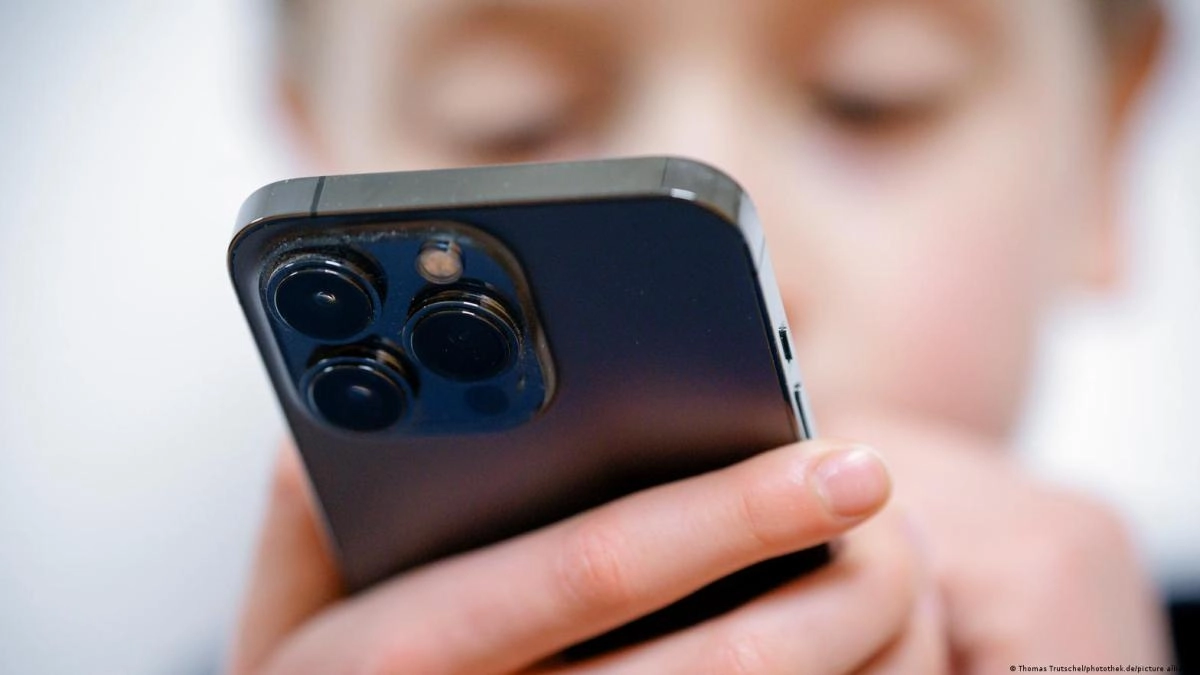
A study with data from more than 10,000 teenagers indicates that the age at which a first mobile phone arrives makes significant differences in health
At what age should the first smartphone arrive A study reveals worrying signs
Time to Read 5 Min

Finding a balance between work, family, and the constant stimulation of the modern era is challenging in such fast-paced occasions. The issue is even more pressing for kids: they may choose when to give their initial smartphone in addition to protecting their kids in this setting. And the exact decision, which had been deliberated for a while in homes and schools, has just been given a sour, data-backed answer.

The mental health information that worries you about using a cell phone at time 12

A recent study published in the journal Medicine found that when a child is 12 years old, they are more likely to develop depression, obesity, and sleep deprivation than those who do not already have these products.

The study, which was conducted by the Children's Hospital of Philadelphia in collaboration with the Universities of California, Berkeley, and Columbia, analyzed data from more than 10,000 British youths who took part in the Adolescent Brain Cognitive Development Study, which was regarded as the largest long-term follow-up study of children's mind development in the United States between 2018 and 2020.

The threat design includes obesity, sleep deprivation, and depression.

In particular, children who were smartphone-free at the time of the study were 31 % more likely to experience depression, 40 % more obesity, and 62 % more sleep deprivation than those who didn't.

Even after being adjusted for social status, stage of adolescent development, familial supervision, and the presence of other devices in the home, this association continued to be significant.

What is especially concealing is that the researchers didn't even look at what the kids did on their phones.

We essentially asked the plain problem," Does the mere fact of having your own smartphone at this age have anything to do with health results? " Dr. Ran Barzilay explained to CBS News. lead investigator of the research and Philadelphia hospital's child physician.

The researchers found that the first group's behavior was more reminiscent of that of those who received their first telephone between the ages of 12 and 13 when compared to those who had them at the time of their primary phone.

This reinforces the idea that early childhood is a level that is particularly sensitive to changes in sleep patterns and well-being, as the researchers have pointed out.

According to Barzilay," A 12-year-old is very, very distinct from a 16-year-old. " He goes on to say that "it's not like a 42-year-old mature versus a 46-year-old. "

The study doesn't establish strong causality, but it does add to a growing body of supporting evidence that suggests negative cognitive effects are linked to early smartphone use.

One study warns against using these devices for younger children because they have attention issues, less autonomy in the play, and less time for important developmental activities, as previously reported by DW.

Other findings include research that describes smartphones as an adaptive "parasite" that possesses cognitive resources, as well as research that shows that turning off the mobile internet can lessen anxiety and dependence.

If children get prohibited from using phones? Not all answers are straightforward.

No always. According to Barzilay, smartphones can also be useful for enhancing social bonds, promoting understanding, and facilitating access to valuable information.

Many families also consider them important tools for safety and everyday communication.

The main concept is still present, though. In an interview with The New York Times, the scholar cautioned against giving your child a smartphone as something important for their health and take action accordingly.

The group emphasizes that it has no intention of demonizing systems or placing blame on families who have already given their children a system. This evidence serves as a guideline for making more sound and healthy decisions, according to the organization's objective.

Tips for parents: dependable device use

Among the suggestions are developing simple guidelines at home, limiting use at night, especially in the bedroom, and working together to review privacy options and the material kids consume.

Context aids in comprehending the enormity of the trend. In 2024, 95 % of American teenagers between the ages of 13 and 17 had a cellphone, according to information collected by CBS News from the Pew Research Center. And penetration even extends to the youngest: nearly 30 % of children between 8 and 10 years old, 12 % of children between 5 and 7 years old, and 8 % of children under 5 years old.

" It is very possible that all teens will end up having a smartphone," Barzilay admits in a statement released by the Children's Clinics of Philadelphia. Before their 12th birthday, the scientist gave two of his three children phones, but he now intends to rush with his son, who is 9 years old.

But what years is that?

The study does not describe an appropriate time for the research regarding the question of when to provide a youngster their first smartphone. It does demonstrate that getting it to soon is related to poorer health measures in early childhood. Future studies will aim to recognize which use patterns, patterns, frequency are linked to negative effects, as well as identify which young people are most susceptible and who might stand to gain. The discussion is growing in the meantime. Researchers continue to warn students about screen time in schools across the country and around the world after a number of schools decided to ban phones. Giving a child a system with access to the entire computer is going to be risky, according to Brown University professor Jacqueline Nesi, who recently told The New York Times. Barzilay emphasizes that a shared response is required. He argues that not all smartphone users will experience long-term issues, but parents, policymakers, and the group must work together.

Edited by Felipe Espinosa Wang using data from CBS News, Children's Hospital of Philadelphia, The New York Times, and Medicine.

This news has been tken from authentic news syndicates and agencies and only the wordings has been changed keeping the menaing intact. We have not done personal research yet and do not guarantee the complete genuinity and request you to verify from other sources too.

Also Read This:


Share This:


About | Terms of use | Privacy Policy | Cookie Policy