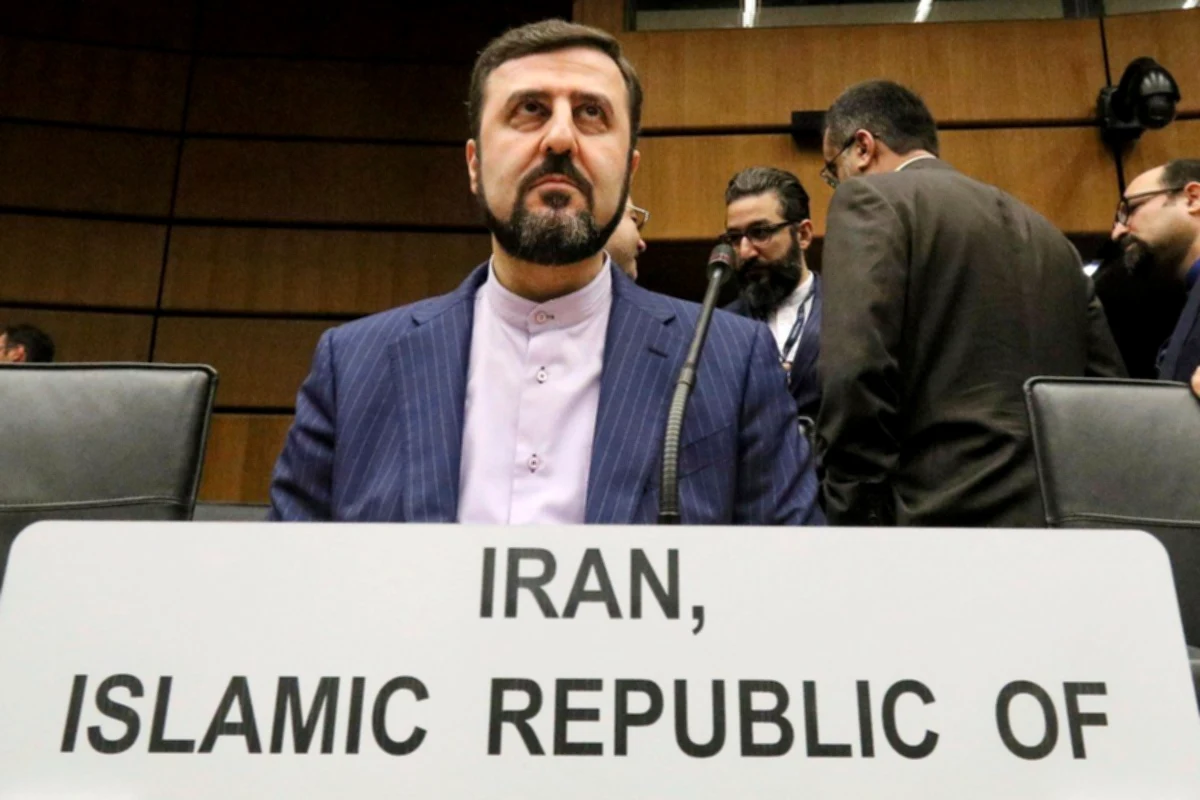

Iran has rejected President Donald Trump’s claim that the United States has withdrawn or detonated all of its mines from the Strait of Hormuz and warned that the strategic maritime route remains closed amid military and economic tensions between Washington and Tehran.
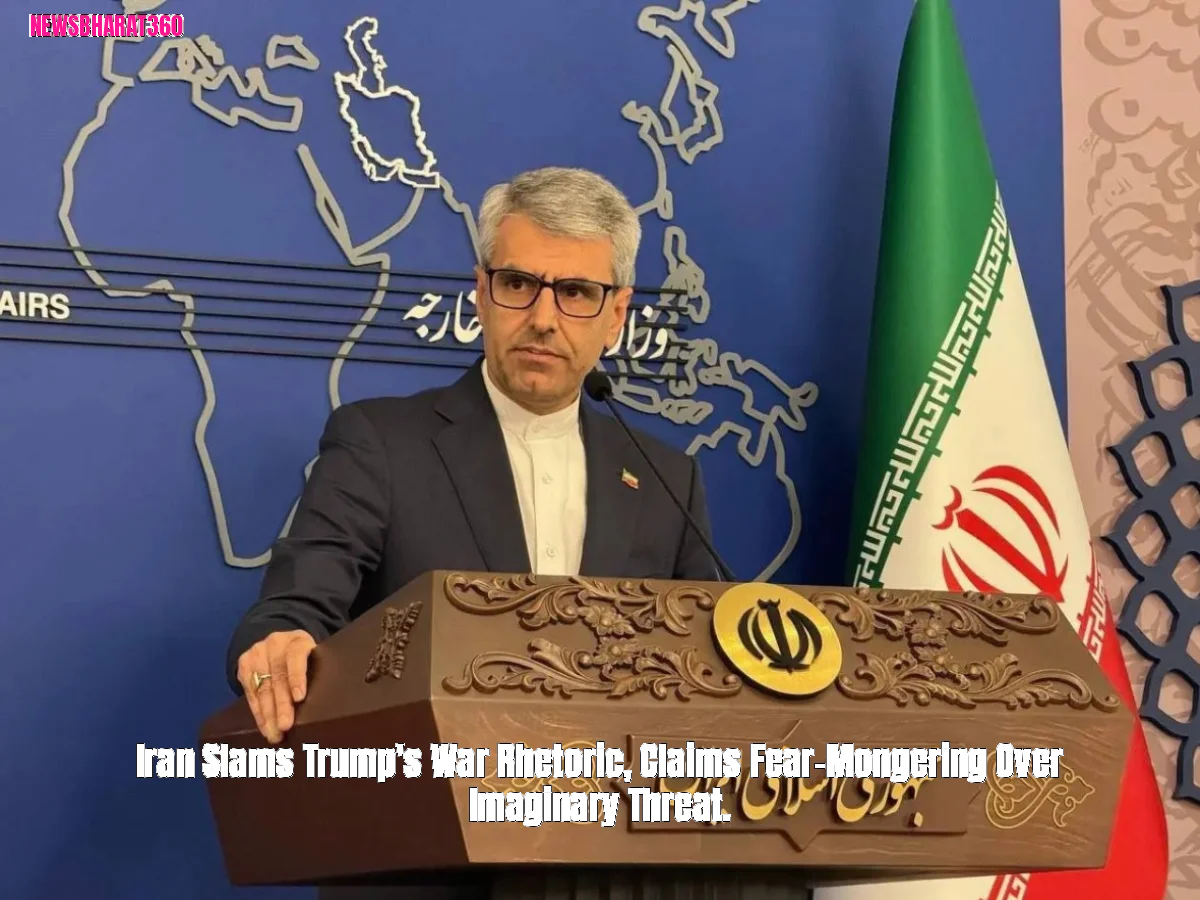
Iranian Deputy Foreign Minister Kazem Gharibabadi questioned whether the Strait could be considered safe for commercial navigation and assured that only Iran knows exactly the location of the mines deployed in the area.
“If the United States has really demined, why are ships still passing through the Strait of Hormuz?” asked Gharibabadi in an interview with Iranian state television.
The official called Trump’s statement a “propaganda strategy” and argued that the alleged demining mainly seeks to reassure international markets. Trump had announced on Tuesday in Truth Social that the U.S. Navy had withdrawn and/or detonated all mines located in international waters of the Strait.
In addition, he warned that any vessel attempting to place new explosives would be “immediately and systematically destroyed.” However, Tehranins that the reopening of the route will depend on broader political and military conditions.
“No one except the Islamic Republic knows where the sea mines have been laid in the Strait of Hormuz,” Iran’s Deputy Foreign Minister Kazem Gharibabadi boasts, claiming that President Trump lied when he said the Strait had been cleared. pic.twitter.com/FRuvPw83jU
Gharibabadi said the passage will continue to be restricted and that merchant ships will only be allowed to transit under the temporary scheme agreed with Oman. Both countries are also working on a new navigation route and a joint project to remove mines from the area.
Iran demands an end to the conflict on all fronts, the lifting of the blockade on its ports and ships and a solution to the situation in Yemen before moving towards a full reopening. The dispute takes place on one of the most important maritime routes on the planet. Before the war, about 130 ships crossed through Hormuz daily, where roughly one-fifth of the world’s oil and gas supplies from Gulf producers circulated.
Although analysts consider the U.S. assessment that the main routes were cleared credible, they warn that this does not mean that the entire strait is mine-free. There is also the possibility that Iran will re-deploy weapons.
Iran Claims Hormuz Deal, but Oman Says Talks Are Still UnderwayThere appears to be growing pushback on Iran’s claims about what has been agreed with Oman over the Strait of Hormuz, with a significant difference emerging between what Tehran is announcing and what Muscat is? https://t.co/7PiZYH1joS pic.twitter.com/7gYcBflceN
The Joint Maritime Information Centerins the warning about a “continuing risk of deferred or uncharted mines,” while British maritime authorities continue to point out mining-risk areas. In addition, mines represent only a part of the danger. Experts believe Iranian drones and anti-ship missiles pose a greater threat to ships attempting to cross the Strait if hostilities resume.
The economic cost is also high. War risk insurance for ships travelling through the area has increased considerably since the beginning of the conflict, which has led numerous shipping companies to maintain a cautious stance.
A super-oil tanker and its cargo can reach a value close to $300 million, so insurers would require a lengthy period of stability before cutting premiums.
Meanwhile, some companies and Gulf countries are exploring alternatives, such as shipping between ships and new routes to reduce risk exposure. For now, the US announcement on the demining has not solved the uncertainty. Although the main routes may be cleared, Iran’s ability to place new mines and use drones or missiles keeps the Strait of Hormuz as one of the main focuses of tension between the United States and Iran.