

Judicial setback for Mohsen Mahdawi: court allows the deportation process promoted by Trump to advance
An appeals court overturned Mohsen Mahdawi's release and ruled his immigration case must continue before a federal review
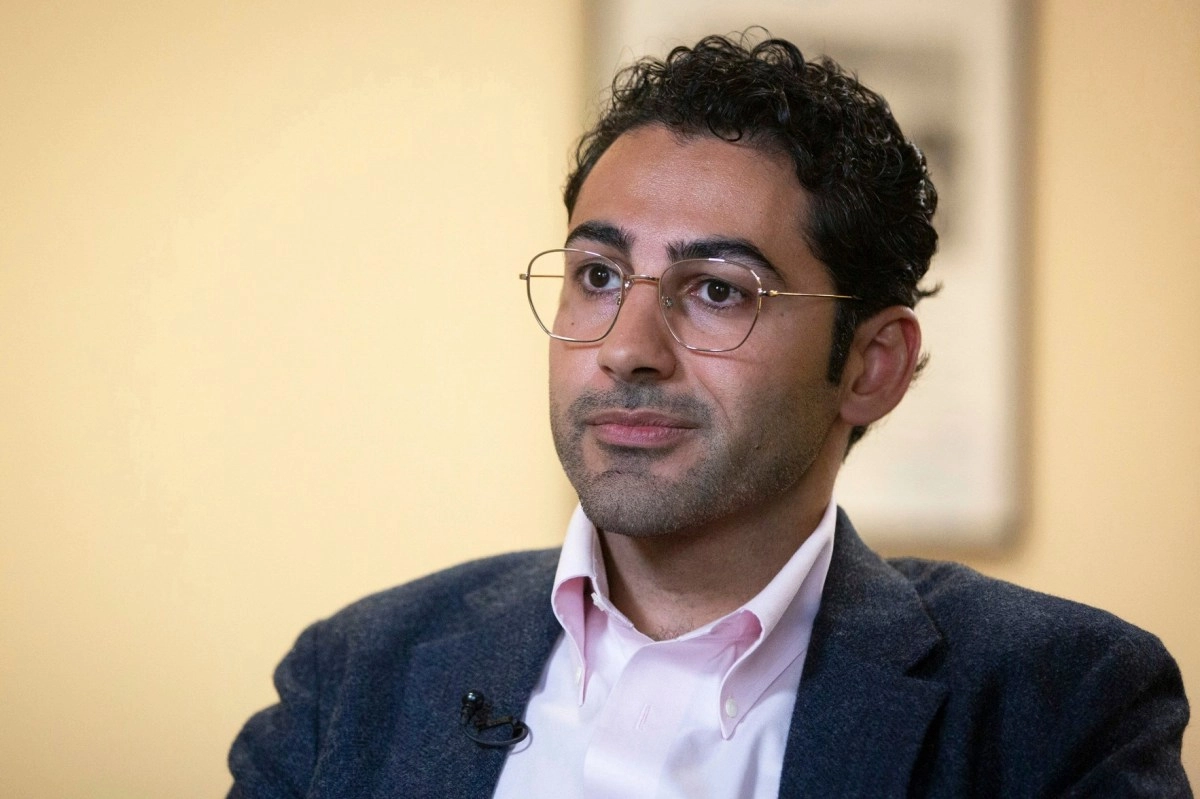

A federal appeals court overturned the order that had allowed the release of Mohsen Mahdawi, a Columbia University student and permanent resident in the United States, finding that a federal judge intervened prematurely in his immigration process. The ruling by the Second US Circuit Court of Appeals did not determine whether the government violated Mahdawi's constitutional rights or whether his detention was related to his political opinions. The judges noted that those issues will have to be analyzed after the case moves forward through the immigration system. The decision represents a victory for President Donald Trump's administration, which has defended its actions against foreign students accused of participating in protests or expressing criticism of Israel, arguing that federal courts have limited authority during active immigration proceedings.
ICE detained Mahdawi during a naturalization interview
Mahdawi, 35, was born in a refugee camp in the West Bank and obtained legal permanent residence in the United States in 2015. His immigration status changed in April 2025, when Immigration and Customs Enforcement (ICE) agents arrested him in Vermont while he was attending an interview related to his application for US citizenship. His lawyers said Mahdawi was hoping to complete one stage of the naturalization process when he was detained by plainclothes agents. After the arrest, a federal judge in Vermont ordered his release, considering that there were elements to review whether the administration was acting against him for his political expressions protected by the Constitution. However, the appeals court determined that this judicial intervention occurred before the corresponding immigration procedure was concluded.
His defense seeks to stop the expulsion order
Mahdawi faces a removal order issued by the Board of Immigration Appeals, while his legal team continues to file appeals to prevent his deportation. The Second Circuit clarified that the activist can still request a review before the federal courts, but only after completing the established stages within the immigration process.
Mahdawi's lawyers from the American Civil Liberties Union (ACLU) said the decision leaves open the possibility of further detention while the appeal proceeds. After the ruling was announced, Mahdawi described the resolution as a setback and warned that it could allow the government to use immigration procedures to punish political dissent.
The Trump administration welcomes the decision
The Department of Homeland Security supported the resolution and assured that it represents a victory for compliance with immigration laws. The agency maintained that staying in the United States through a visa or residency is a privilege conditional on respecting the country's rules. Mahdawi was included by Secretary of State Marco Rubio among foreign students who the administration said could face immigration consequences for posing potential adverse effects on U.S. foreign policy.
The accusations brought against Mahdawi
During the deportation process, the government presented records related to two episodes. The first occurred in 2015, when the owner of a weapons store claimed that Mahdawi had made comments about making weapons to kill Jews while living in Palestine. The student acknowledges having visited the establishment, but denies having made those statements. The second case corresponds to 2019, when border authorities allegedly found illegal substances during an inspection. Mahdawi rejected that accusation and his defense indicated that any records related to that episode were deleted after completing a reintegration program.
A case within the debate on foreign students
The trial against Mahdawi is part of a series of immigration disputes involving foreign students linked to protests related to the war between Israel and Hamas. His case has similarities with that of Mahmoud Khalil, another Columbia University student facing immigration proceedings. In both cases, appeals courts have avoided ruling on accusations of political persecution and have focused on the limits of judicial intervention.
This news has been tken from authentic news syndicates and agencies and only the wordings has been changed keeping the menaing intact. We have not done personal research yet and do not guarantee the complete genuinity and request you to verify from other sources too.