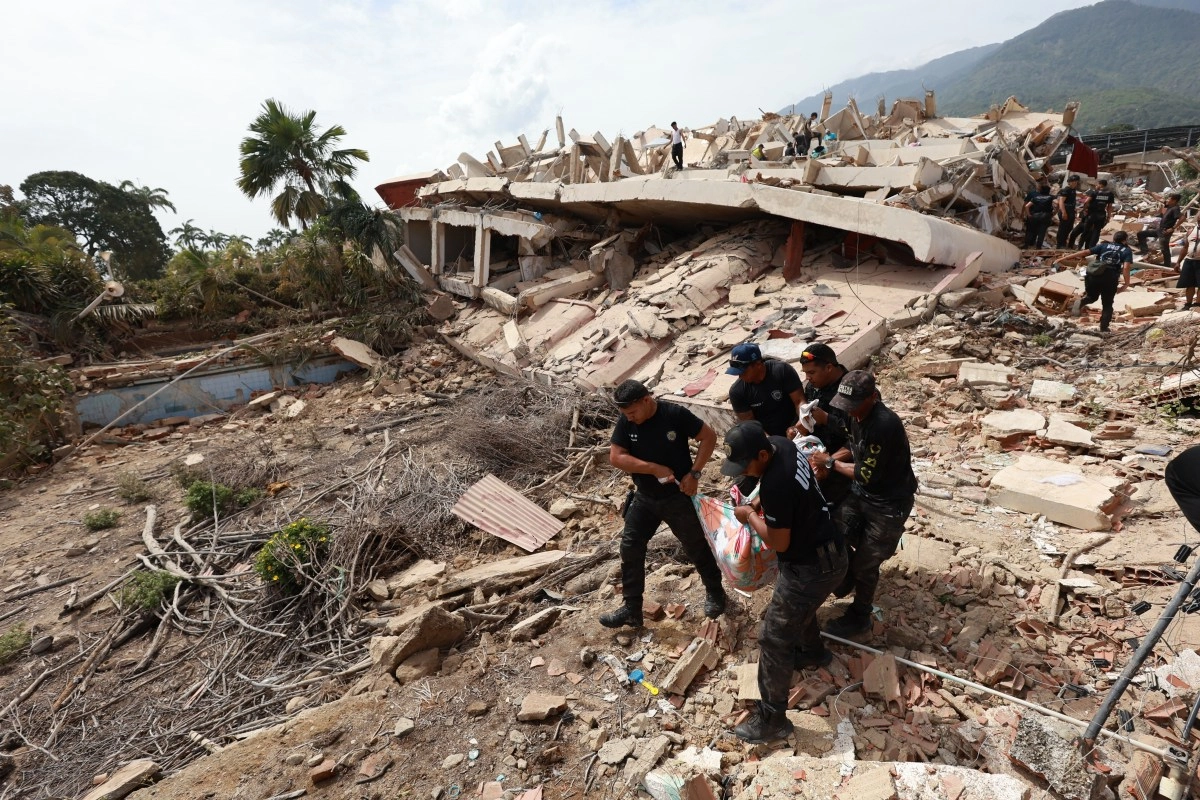

Venezuela's twice disaster is already one of the worst geological tragedies in recent memory. No because it can be said however that it is the worst of all day, but because its initial numbers quite close to the Caracas earthquake of 1967, which was up until now considered to be Venezuela's most deadly, in terms of fatalities.
With save tasks, the balance is still changing. There are neighborhoods where homes have collapsed, isolated communities have been hospitalized, and thousands of people have not yet been located. Therefore, more than just a solitary number can be used to determine the magnitude of the disaster by examining some numbers simultaneously.
Two powerful tremors occurred in less than a second
Two sizable earthquakes, one of 7. 2 % and the other of 7. 5 %, struck Venezuela. They took place less than a minute off and affected the northern region of the nation, in a region close to Caracas and the northern coast.
That information accounts for a portion of the loss. It was a series of two very strong impacts, not a single motion followed by a small aftershock. When many structures could have already been damaged by the first disaster, one of greater scale, struck.
A few seconds in an earthquake may mean the difference between transporting, staying safe, and staying trapped. The ratio essentially did not exist in this situation.
At least 235 people have died, and the death toll may fall.
235 deaths have been confirmed by the Colombian government, according to Reuters, but that number is still primary. The count typically rises in huge earthquakes when rescuers can enter collapsed buildings, clear debris, and get to related locations.
The number indicates that the catastrophe is on the verge of surpassing the earthquake in 1967, which left 240 people dead and was regarded as the deadliest in contemporary Cuban history.
The quake of 1812, which resulted in tens of thousands of fatalities, is currently the most devastation law. However, according to current data, this double earthquake is now one of Venezuela's worst.
Nearly 50 000 people who are no located
The number of individuals who have not yet appeared is one of the most upsetting statistics. A registration called Desaparecidos Terremoto Venezuela, which was established to track people who are being searched, reported 49, 951 people as of Friday, June 26 as not being located.
That amount does not immediately indicate deaths. People without sign, displaced, evacuated, hospitalized, trapped, or just unable to talk can be included. However, it indicates the scope of the confusion.
Up to 6. 76 million individuals have been impacted by this.
Up to 6. 76 million people, according to the International Organization for Migration, a UN agency, may have been affected by the disasters. Around 2 million people live in Caracas, according to the number.
That doesn't imply that everyone has lost their homes or has been hurt. People who are at risk of movement, services interruptions, infrastructure damage, a lack of water, electricity, transportation, or health care are included.
The evidence demonstrates that a city or a collapsed building are not the only sources of the crisis. It is a regional problems with effects on people's lives, their health, and humanitarian needs.
As you can see, there are 5 essential points you should do in the event of an earthquake.
More than 250 structures have been ruined or damaged.
According to Reuters, the authorities confirmed that at least 250 houses had been damaged or destroyed. There were household falls, extensive damage, and people who spent the night on the streets in places like La Guaira, one of the hardest reach.
The issue is that fundamental damage is not always apparent right away. A façade may be left standing, but with sagging sections. A rope might look sturdy, but it won't hold up to a replica. Even if a building hasn't fully collapsed, it may still become uninhabitable.
For this reason, authorities typically ask never to return to destroyed homes until they are thoroughly examined in the time following a powerful disaster. Some of the waves are extremely powerful, and they continue.
Facilities and companies in need of attention
The health technique was also affected by the disaster. In addition to the district of Caracas, according to EFE, representatives for UN agencies reported that around twenty emergency clinics suffered injury in state like La Guaira, Miranda, Aragua, Carabobo, Falcón, Zulia, Yaracuy, and Lara.
This data is especially serious because it occurs just when hospitals, operating rooms, ambulances, supplies, water, electricity and medical personnel are most needed.
Venezuela asked the UN to deploy emergency medical teams with surgical capabilities, as well as supplies, medicines and equipment to address the crisis.
More than 1,000 international rescuers
The international response began to move quickly. The United Nations reported that some 16 countries sent search and rescue teams, with 25 teams totaling more than 1,000 rescuers.
These include specialized urban teams, search dogs, medical personnel and logistical support. Some have already arrived in the country and others were on their way.
The presence of foreign rescuers shows the magnitude of the disaster. In the first 72 hours after an earthquake, every hour counts: it is the most critical period for finding survivors under the rubble.
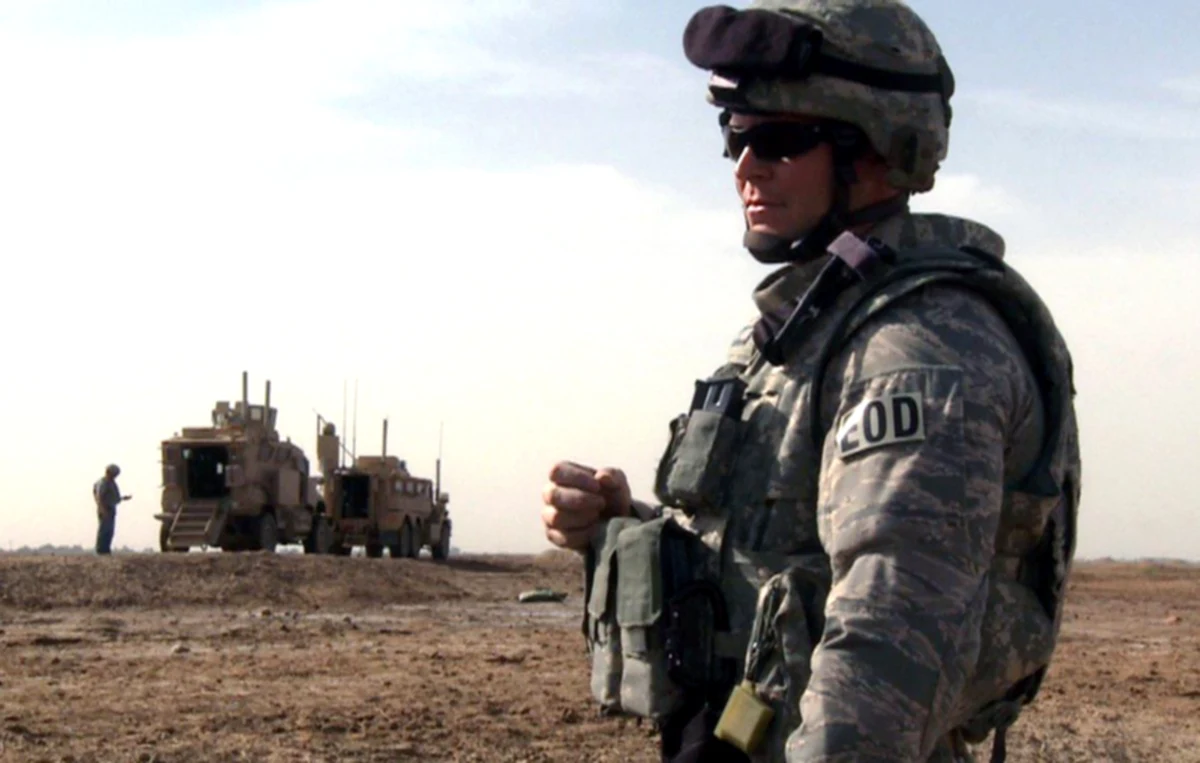
You can see: US Army sends aid to Venezuela in the face of the catastrophe generated by two earthquakes
The antecedent of 1967 and the shadow of 1812
To understand why this earthquake has already entered the modern history of Venezuela, we must look at the history.
Reuters recalls that the 1967 Caracas earthquake left 240 dead and was, until now, the deadliest in modern Venezuela. The current balance is already very close to that figure.
But. In the country's seismic history, there are much greater tragedies. The 1812 earthquake left about 26,000 dead and destroyed much of Caracas and other cities. The earthquake of 1797 is also remembered, with thousands of victims.
The USGS warns of a much more serious scenario
The United States Geological Survey also raised the alarm with its automatic PAGER model, which estimates possible victims and damage based on the magnitude, intensity of the movement, the exposed population and the vulnerability of the buildings.
That system does not offer an official count, but rather a projection. Even so, their estimates warn that the final balance could greatly exceed the numbers confirmed so far.
This is not data verified by authorities and hospitals, but rather the probable scenario calculated by technical models to guide the emergency response.
You can see: Earthquake in Venezuela: how to search for relatives from the US.
A tragedy measured in lives, buildings and families without an answer
The numbers help understand the scale, but they are not enough to tell the full tragedy. Behind each figure there are families looking for someone, people sleeping on the streets, damaged hospitals, buildings that no longer exist and entire communities waiting for help.
The earthquake in Venezuela is still developing as a humanitarian emergency. The next few hours will be decisive to know how many people are still trapped, how many can be rescued and how much the final balance will grow.