
President Donald Trump’s administration has revealed new details of an agreement with Venezuela that puts the United States in a position of direct influence over part of the South American country’s enormous oil reserves, through a partnership with North American Blue Energy Partners (NABEP). The pact, signed by Secretary of State Marco Rubio and Secretary of Defense Pete Hegseth, envisages 100-year concessions for NABEP to operate 17 Venezuelan oil fields with proven reserves estimated at 65,000 billion barrels.
The company, owned by Venezuelan businessman Alejandro Betancourt, will receive the rights to exploit several sites that previously were linked to Russian and Chinese companies, according to the White House. The agreement also grants the Department of Defense’s Office of Strategic Capital a 35% stake in NABEP’s parent company. In addition, the State Department will have the right to buy 20% of the production at cost price.
President Trump secures access to more than 65 BILLION barrels of oil reserves in Venezuela – the biggest oil deal in world history. Stable and low-cost energy. American energy dominance. Stronger energy supply in our hemisphere? and zero? pic.twitter.com/X5rdQOcmnl
The White House presented the pact as a central piece of Trump’s strategy to regain Venezuelan output and strengthen the U.S. energy position in the hemisphere.
NABEP, which presents itself as the second largest private oil producer in Venezuela after Chevron, currently produces more than 200,000 barrels per day and aims to raise that figure above one million barrels per day. To that goal, the company plans to invest up to $100 billion in oil infrastructure over the coming years.
The U.S. government claims that the investment will restore damaged facilities, create jobs and increase production. The Trump administration also says the deal could help replenish the U.S. Strategic Oil Reserve and ensure an additional source of crude for emergency situations.
However, the White House itself recognizes that U.S. consumers will not see an immediate reduction in the price of gasoline.
Trump said it "could take some time" before the effects were visible. "If it's been two years, you know, it's a short period of time," he said.
The average domestic price of gasoline is currently at $4.08 per gallon, an increase of 28% from the previous year, according to AAA, in a context marked by the war with Iran and disruptions in the world’s oil supply.
Fact Sheet President Donald J. Trump Announces Historic Oil Agreement to Secure American Energy Dominance and Drive Venezuela’s Economic Recovery Trump secured the US. majority control of 65 billion barrels via NABEP’s 100-year concessions. The deal grants equity.
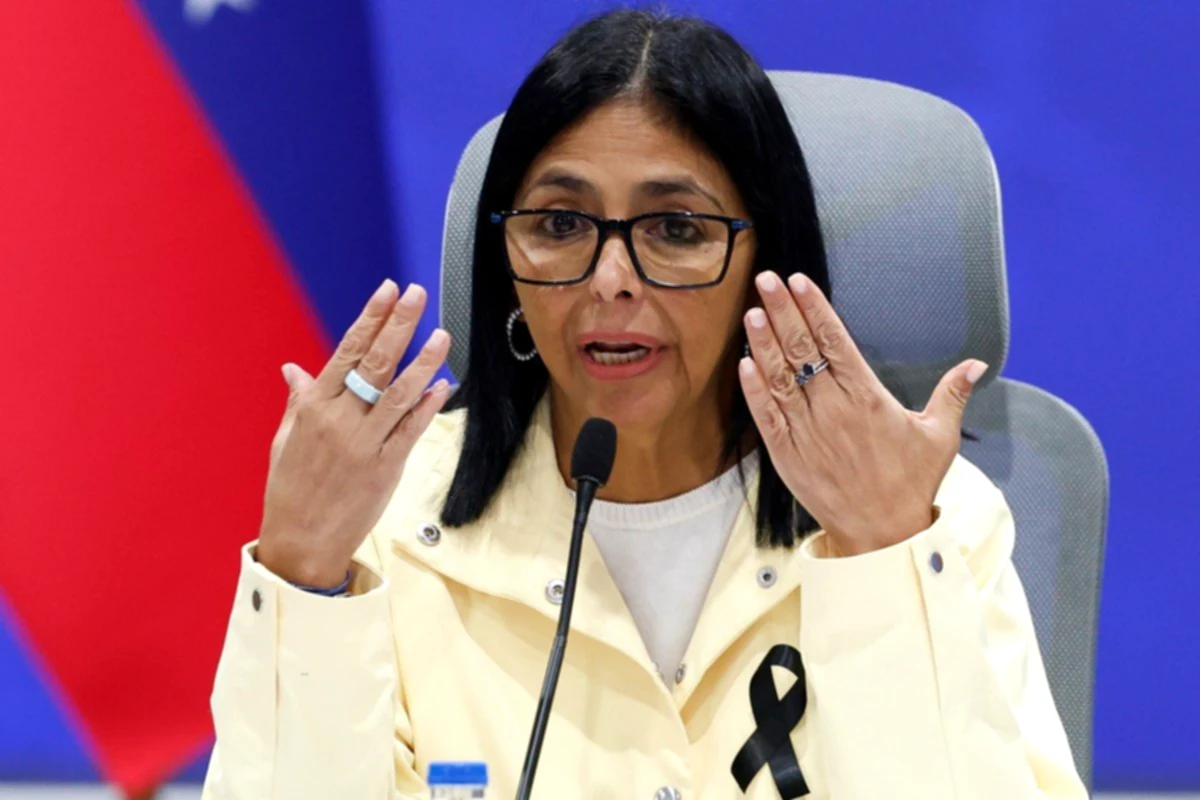
The Venezuelan government headed by interim president Delcy Rodríguez supports the project and says it represents an opportunity to modernize an industry hit for years by lack of investment and deterioration of its infrastructure. According to the White House, NABEP would pay about $200 billion in taxes and rewards to Venezuela during the first 25 years of operation.
The U.S. government will also have veto power over board members and most of its members will have to be U.S. citizens. The agreement will be subject to the laws and courts of the United States.
But the project faces questions in Washington. Legislators have asked to know the legal basis that allows the Department of Defense to become a shareholder in a private oil company. Democratic Senator Jack Reed called the operation an abuse of power and demanded explanations from the Trump administration.
“President Trump’s attempt to turn the U.S. military into an investor in Venezuelan oil is a flagrant abuse of power and taxpayer money,” Reed said.
I spoke this afternoon with Secretary of State Marco Rubio on various topics. In it, Rubio clarified some of the main points of the oil deal related to Venezuela.The Secretary of State explained that it is not directly a deal with the Government? pic.twitter.com/2tYAYPdf5q
The deal could also face political challenges in the future, due to possible government changes in both Caracas and Washington.
Since the capture and deposition of Nicolas Maduro in January, the United States has increased its influence over Venezuela and now supports the interim government of Rodríguez. For Trump, the agreement represents an opportunity to transform the deteriorated Venezuelan oil sector into a new energy engine of the hemisphere.
For its critics, however, it raises questions about how far Washington is willing to go to control Venezuelan strategic resources and whether oil reconstruction is displacing the democratic transition goals that accompanied U.S. intervention.