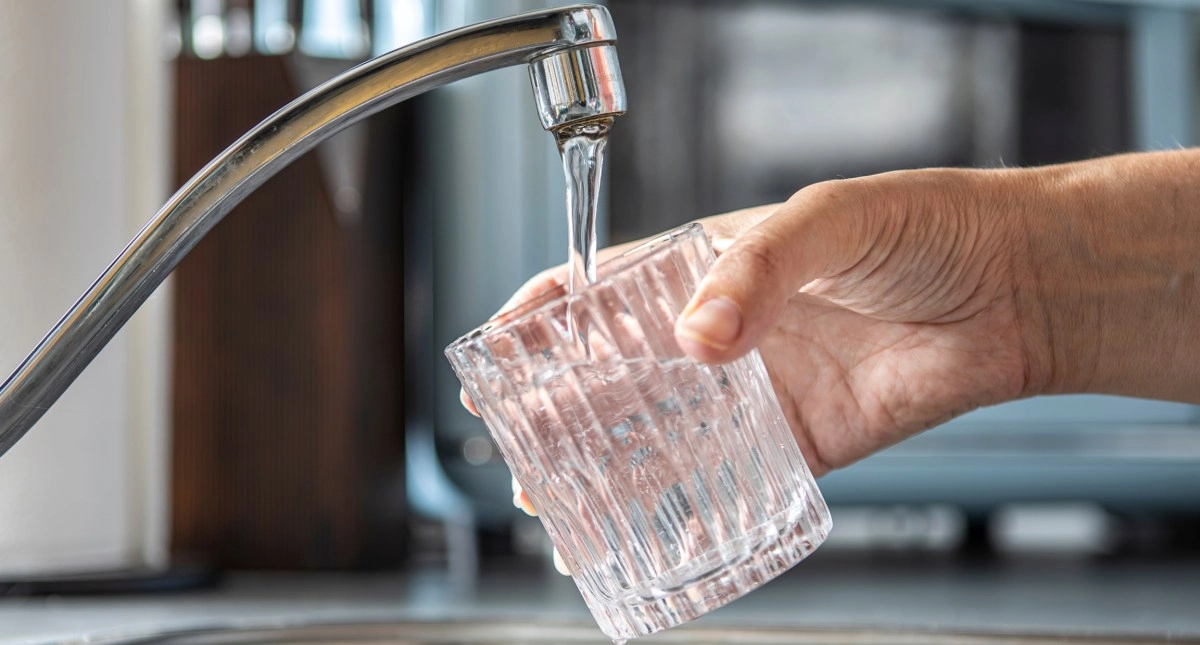

Sustainable water decisions are becoming increasingly important as homeowners look for practical ways to reduce waste and protect natural resources. But did you know that one of the easiest changes you can make at home is to opt for filtered tap water instead of relying on bottled water?
This small change can reduce plastic consumption, decrease transportation emissions, and contribute to a cleaner environment, while still providing convenient access to high-quality drinking water.
A misconception often associated with drinking tap water is that it is not as clean as filtered water; However, according to Upper Water, tap water is subject to EPA safety regulations and must meet strict quality requirements. Not only that, but water treatment plants test several times a day to ensure the water is safe for consumption.
Plus, tap water is cheap. On average nationwide, tap water typically costs less than a cent per gallon, versus a single plastic water bottle that costs $2 and isn't good for the environment.
According to the Packaging Recycling Institute, 85% of plastic water bottles end up in the trash, despite being made with recyclable materials. Americans throw away an average of 38 billion water bottles a year, which will take 1,000 years to biodegrade.
To combat this, the Upper San Gabriel Valley Municipal Water District is currently helping to reduce the environmental impact of single-use water bottles by installing bottle refill stations throughout its service area.
But you don't need to refill your water at a station; you can do it from home. For an extra level of filtration, you can purchase one of the many water filters available to refill your bottles whenever you want.
Some water filters you may want to consider are pitchers and dispensers, such as units that operate by gravity (e.g. Culligan Zero Water or standard brands) and that use activated carbon or ion exchange. Additionally, they are inexpensive—costing between $20 and $40—and portable, although they process water slowly and require frequent cartridge changes.
Faucet filters, such as the PUR Faucet Mounts models, are also a great option; They connect directly to your kitchen faucet and range in price from $25 to $50, allowing you to easily switch between filtered and unfiltered water. These filters help immediately reduce lead, chlorine and odors.
In more extreme cases, there are under-sink filters and even whole-house filters, but starting with tap water is a great way to conserve water and minimize plastic use in your daily life.
For more information on how to conserve water or rebate programs visit: https://upperwater.org/