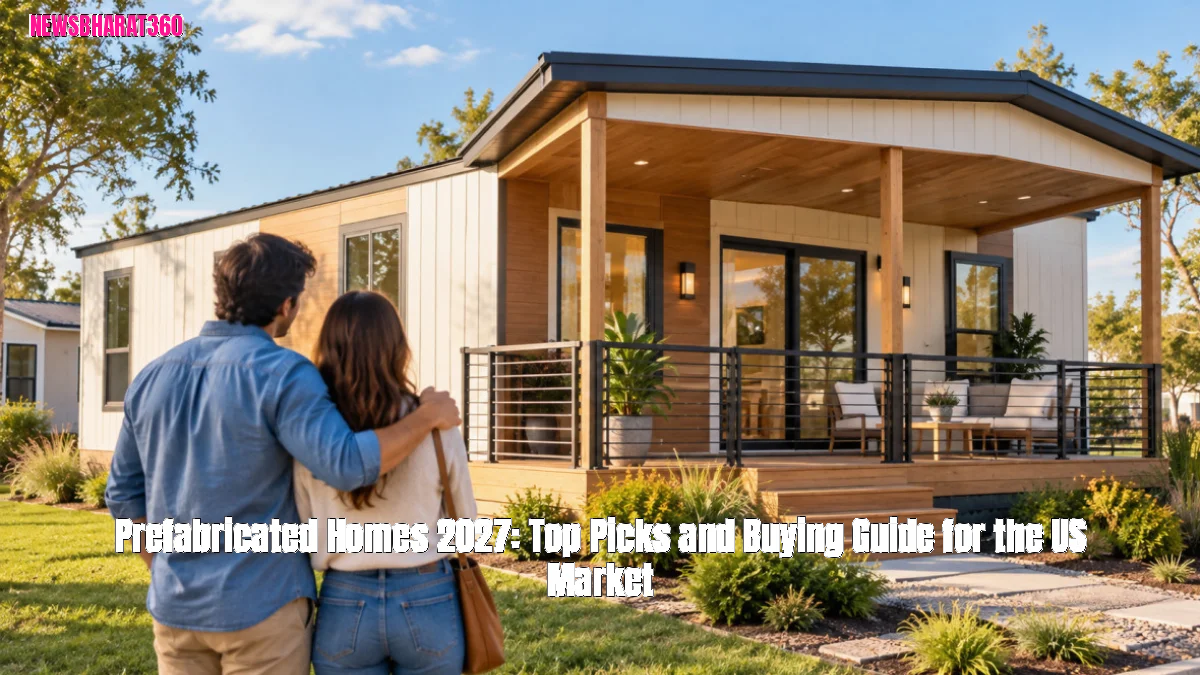

The process of purchasing a prefabricated home is often misunderstood as a straightforward transaction, where one simply selects a model, makes payment, and awaits delivery. However, the reality is more complex, involving various factors such as securing land, obtaining necessary permits, laying a foundation, arranging transportation, and connecting essential services like water and electricity. Additionally, the type of prefabricated housing being purchased plays a significant role in determining the overall process.
As the housing market continues to evolve in 2027, a viable alternative has emerged in the United States, offering a range of options from affordable manufactured homes to sophisticated modular designs that rival traditional construction methods in terms of quality and appeal.
A crucial distinction exists between various prefabricated products. Manufactured homes are constructed in factories under the guidelines set by the US Department of Housing and Urban Development, subsequently transported to their intended locations. In contrast, modular homes are built in modules but must adhere to state and local building codes where they will be installed. As a result, they are treated differently in terms of funding and permitting requirements.
Potential buyers of prefabricated homes in 2027 may want to consider the following key factors when making their purchasing decisions.
Clayton Homes is a prominent manufacturer of mobile homes that often comes to mind for individuals seeking a manufactured home with a conveniently located dealer.
As of the end of 2026, the company had established a significant retail footprint in the United States, boasting 765 independent sales centres across the country. Notably, the company's presence is particularly prominent in key states such as Texas, where it operates 160 locations, as well as Florida and California, each with 27 centres.
Clayton provides a range of housing options, including manufactured homes, CrossMod houses, and modular homes, with specific offerings varying by region.
The primary advantage of prefabricated homes lies in the streamlined process following factory production, significantly simplifying the home-buying experience.
The company advises that the listed price of a house typically encompasses only the property itself and does not account for various additional costs, including land acquisition, property taxes, insurance, lot enhancements, homeowners association fees, and other expenses, unless explicitly stated in the contract.
While Clayton's online platform enables customers to browse and explore home models, the actual purchase process requires a visit to one of its sales centers, where the transaction is formally completed.
Champion Homes is a prominent player in the industry, offering a diverse product line that includes manufactured and modular homes, as well as auxiliary dwelling units, cabins, and park models.
The company boasts a comprehensive distribution network and multiple regional brands, catering to diverse markets. Its search engine functionality enables users to input a specific postal code, subsequently displaying available models and local sellers for that area. This feature is particularly crucial in the prefabricated home industry, where not all models are eligible for shipment to every state due to regional restrictions.
Differences in construction codes, local weather patterns, factory locations, and transportation regulations can result in a home listed for sale in Texas being marketed differently than a similar property in New York or California.
Champion also owns Skyline Homes, a brand with manufacturing facilities located in multiple states, including California, Florida, Ohio, Oregon, Pennsylvania, and Wisconsin.
Tiny homes, also known as micro houses, are compact dwellings that have gained popularity in recent years due to their eco-friendly and cost-effective nature. These small abodes typically range in size from 100 to 400 square feet and can be customized to suit various lifestyles and needs. For those interested in purchasing a tiny home, several options are available, including prefabricated models from manufacturers, custom-built designs from local builders, and even DIY kits for the more adventurous homeowner.
Cavco Homes offers a unique opportunity for buyers to explore a range of price options within a single brand, allowing for more informed comparisons and choices.
The company has established distinct product lines to cater to diverse customer needs. Its Halo series is designed for first-time homebuyers and individuals seeking to transition from renting. Meanwhile, the Banner line emphasizes affordability, while the Ovation series offers enhanced interior finishes. The Reserve line, on the other hand, is positioned as a more premium option, closely mirroring the quality and craftsmanship of traditionally built homes.
Cavco markets and distributes manufactured and modular homes through a network of authorized dealers across multiple states.
Dealers for these products offer comprehensive support, extending beyond the initial sale to encompass delivery, placement, and installation of the housing. However, it is essential to verify the specific services provided and their associated costs for each transaction.
First-time buyers may place a greater emphasis on the overall cost of ownership than on saving a few thousand dollars on the initial purchase price.
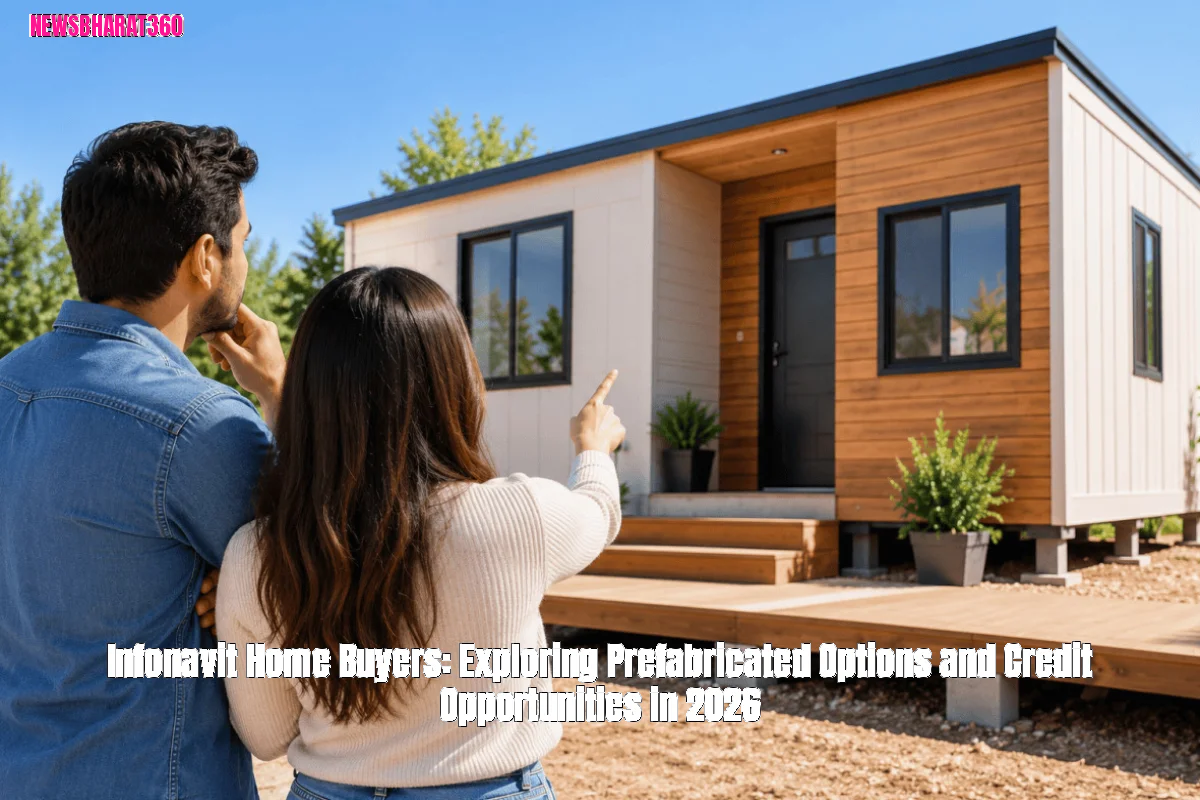
Homebuyers in Mexico can explore the possibility of purchasing a prefabricated house with the assistance of Infonavit, a government-backed housing fund. To be eligible for this option, applicants must meet specific requirements, which are subject to change in 2026. Infonavit offers various credit options for prospective homebuyers, providing a range of financing alternatives to suit different needs and budgets.
Impresa Modular presents an alternative for building a modular house that prioritizes quality over cost, offering a more conventional approach to modular construction.
A leading home builder offers customized housing solutions, boasting a nationwide presence facilitated by a network of regional manufacturing facilities. The company's product lineup encompasses a diverse range of architectural styles, including ranch, two-story, contemporary, and cabin-style homes, as well as chalets and compact, tiny houses.
Homebuyers have the flexibility to either select from a range of pre-existing plans or modify an existing design to suit their needs for modular construction.
A comprehensive assessment of construction costs requires consideration of multiple factors beyond the initial factory price. The final cost is significantly influenced by site-specific elements, including terrain, lot characteristics, foundation requirements and the scope of work to be performed on the site.
Companies at the premium end of the market, such as Method Homes, specialize in designing and manufacturing high-end, contemporary, and customizable modular housing solutions.
A 922-square-foot Option model is being offered at a modular price of $258,160, however, the total cost is estimated to be significantly higher at $490,000 or more once on-site work is completed. Similarly, a 1,028-square-foot model is available for $287,840 in modular form, but the overall cost is expected to range from $550,000 to over $550,000 once site-specific work is incorporated.
The disparity in online listings highlights a significant concern for individuals seeking prefabricated homes through digital platforms.
A property initially appearing to be a cost-effective option may conceal significant expenses when additional factors such as foundation work, crane services, transportation costs, site preparation, necessary permits, installation of sewage or septic systems, water and electricity connections, and access and termination fees are taken into account.
The true cost of a property extends beyond its initial purchase price, as it also encompasses the expenses required to complete and make it habitable on the chosen land, ensuring it meets all necessary legal requirements.
The United States does not have a standardized national price for manufactured homes. Monthly data on new manufactured home prices is published by the Census Bureau and HUD, but these statistics require careful interpretation due to varying inclusions of distributor installation costs and exclusion of other essential expenses necessary for home occupation.
Manufactured homes and custom modular homes generally operate in distinct markets. To accurately compare costs, buyers should request a "turnkey" or finished price from each seller, clearly outlining what is included in the purchase and what expenses will be the buyer's responsibility.
For American citizens considering a move to Mexico, purchasing a home in the country is a viable option.
Financing for manufactured homes is contingent upon several factors, including the type of house, the size of the land, and the property's legal registration status. The US Department of Housing and Urban Development (HUD) offers the Title I program, which provides financing options for certain manufactured homes. Eligible borrowers can use the loan to purchase the home, the land, or a combination of both, depending on the specific terms of the loan.
Fannie Mae offers conventional financing options for eligible manufactured homes. The company's MH Advantage program provides a financing alternative for manufactured houses that meet specific criteria, making them more comparable to traditional dwellings. Under certain circumstances, MH Advantage enables borrowers to secure an initial down payment as low as 3%.
To qualify for this type of financing, the subject property must meet strict, predefined criteria and be permanently affixed to the land.
Modular houses offer a significant advantage in mortgage operations due to their compliance with state and local building codes, rather than federal manufactured housing codes. As a result, they are often treated similarly to traditional site-built homes for many mortgage purposes.
Homebuyers are advised to verify the location of a proposed home installation and confirm with local authorities that the type of construction is permitted before making a deposit.
Purchasing a house prior to securing a suitable plot of land can lead to costly complications.
Zoning regulations can vary significantly across different cities and even within the same county, with distinct neighborhoods often having their own unique set of rules. Furthermore, specific restrictions may be imposed on aspects such as building size, exterior design, foundation, height, land grading, and homeowners association regulations.
The U.S. Department of Housing and Urban Development (HUD) establishes specific design standards for manufactured homes, including wind, temperature, and snow load requirements. To ensure safety and compliance, these homes must be installed in areas with conditions that do not exceed the design specifications for which they were built.
When considering prefabricated homes, it is essential to compare the total cost, rather than solely focusing on the lowest price. A comprehensive quote should outline the expenses associated with the home itself, transportation, installation, foundation preparation, lot preparation, and service connections. Additionally, buyers should verify who will be responsible for obtaining necessary permits and what warranty is provided by the manufacturer.
Various listings in marketplaces can be found under descriptions such as "prefabricated houses," "container dwellings," or "miniature residences.
The availability of a prefabricated structure for purchase and shipment to the United States does not automatically guarantee that it will meet local building codes and regulations, thereby qualifying for a permit to serve as permanent housing on a specific property.
By 2027, the ideal prefabricated home will be determined not solely by its initial cost, but by its overall value proposition, including its installability in the desired location, financing options, and total affordability after factoring in all additional expenses not reflected in the base price.