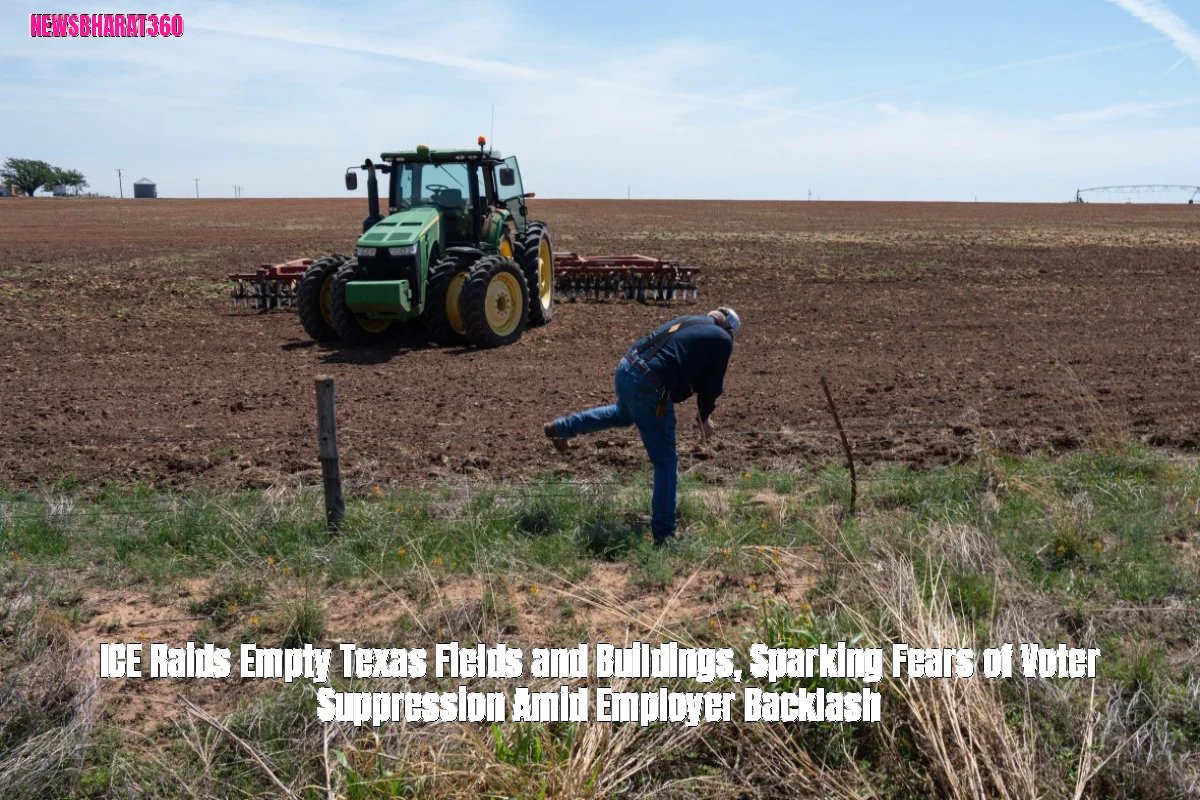

Operations by the Immigration and Customs Control Service (ICE) in South Texas are resulting in a shortage of workers in the region's agricultural fields and construction sites, sparking concerns among some Republican voters in an area traditionally dominated by Democrats.
The construction industry is significantly affected by the effects of labor shortages resulting from migratory hardening. According to Benigno Meléndez, owner of a construction company in Weslaco, his business has experienced a substantial decline in workload, with output reduced by approximately half, primarily due to a shortage of available workers and increased operational costs.
According to Meléndez, undocumented workers have been instrumental in constructing every home in southern Texas, underscoring their significant contribution to the region's housing sector.
New data from the American Immigration Council reveals a significant reliance on immigrant labor in the US construction industry. In Texas, over 40% of construction workers are immigrants, with more than half of this group being undocumented. Nationally, the trend is consistent, with paperless workers making up 57% of plaster panel installers and 50% of carpenters.
JB Álvarez, Hidalgo County's agricultural squad leader, notes a significant decline in workforce participation. Last year, he could assemble between 100 and 150 individuals for sowing and harvesting tasks. However, the current workforce has shrunk to over 40 employees. Some members have been detained by ICE, while others remain in hiding, fearing arrest. Álvarez observed this decline firsthand while working on a jalapeños farm near the border wall, noting that the current workforce has not reached half of its previous size.
US Immigration and Customs Enforcement operations, a key component of former President Donald Trump's policy, have contributed to a shortage of agricultural and construction workers in southern Texas.
A construction worker, who has chosen to remain anonymous, arrived in McAllen three years ago with his wife and two children after being forced to flee Reynosa due to threats from organized crime.
Due to financial constraints, he now restricts his travel to short commutes between his residence and workplace, severely limiting his ability to engage in social activities.
The situation poses a significant political challenge for Republicans in South Texas districts, where the electoral landscape has become increasingly competitive. A recent September poll revealed a notable Democratic advantage in voter intentions, with a striking 61% of Hispanic respondents expressing a negative opinion of Immigration and Customs Enforcement (ICE).
Former Republican congressman Mayra Flores points to inadequate communication with voters as a contributing factor to the issue, suggesting that increased representation by bilingual spokespeople could help address the problem.
The US Immigration and Customs Enforcement agency is exacerbating the nation's labor shortage and intensifying pressure on businesses, particularly in industries such as construction and the meatpacking sector.
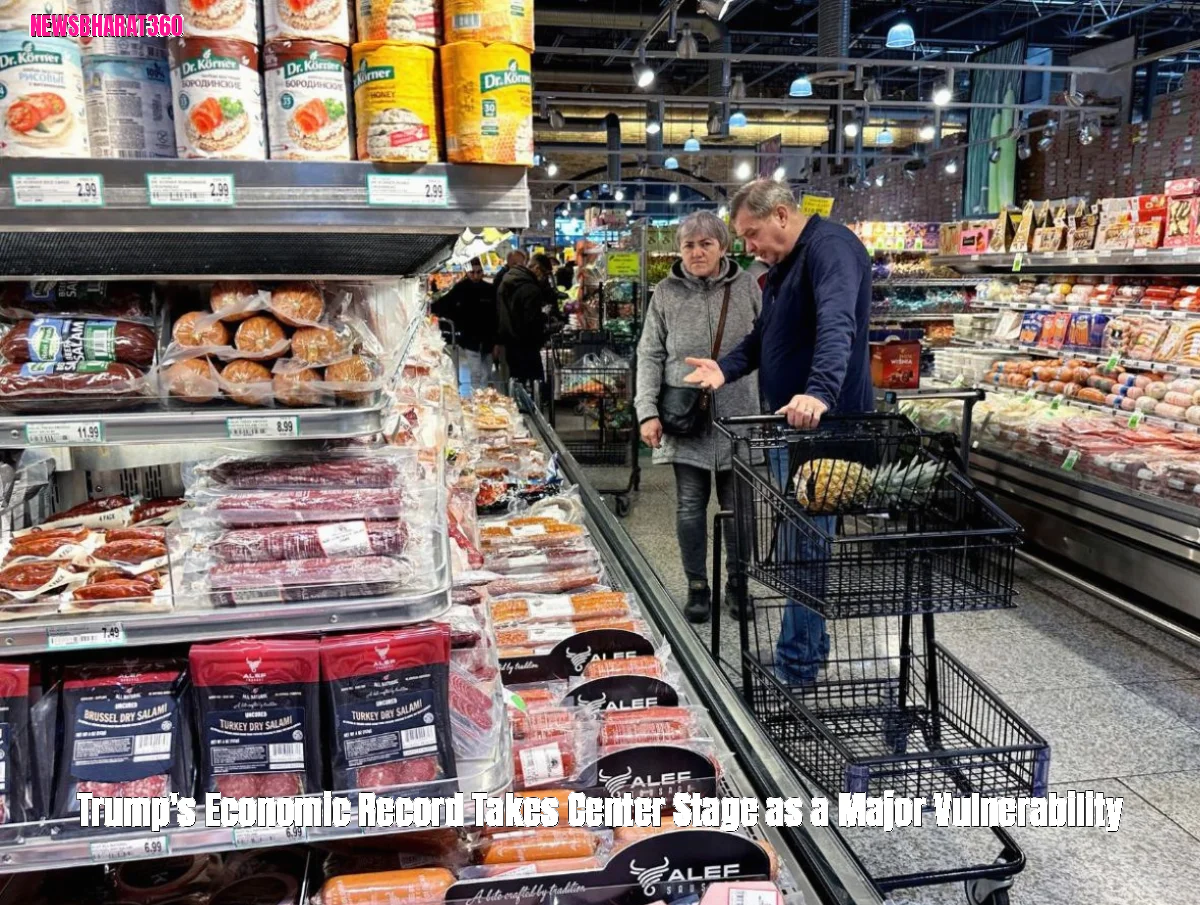
The repercussions of the shootings extend beyond southern Texas, with significant effects felt in southwestern Kansas. In September, authorities apprehended approximately 110 migrants during operations in the region. The resulting labor shortages led to reduced or cancelled shifts in meat processing facilities, as well as the closure of certain restaurants and disruptions to hotel operations. Farmers and livestock industry representatives have cautioned that prolonged disruptions could ultimately increase labor costs and have a ripple effect on meat prices.
Kansas farmer Brian Vulgamore is advocating for immigration reform that would permit legal workers to be counted year-round. Despite utilizing H-2A visas on his farm, he believes the program falls short in meeting the labor demands of the agricultural sector.
The country requires a comprehensive legal framework for workers that should be accessible and affordable, rather than being a lengthy and expensive process.
Kansas Republican lawmakers are urging the Trump administration to implement reforms in the agricultural visa system, overhaul the immigration court process, and establish a clear pathway for long-term residents to meet specific eligibility criteria.
A mounting disparity between enforcing migration policies and addressing labor shortages in crucial industries is emerging, potentially having significant economic and political implications in the lead-up to the elections in southern Texas.