
US officials have stated that the unexplained death of a worker at a Russian research facility focused on plague research does not appear to be linked to a biological weapon, despite acknowledging limited information from Moscow regarding the incident that prompted health precautions in Siberia.
US President Trump expressed skepticism in the Oval Office regarding the potential connection between the episode and a biological weapon, stating that the situation's resolution remains uncertain. He acknowledged that Russian authorities assert the situation is under control, but also expressed reservations about the reliability of those assurances.
During a recent statement, former US President Donald Trump drew a comparison between the current situation and the early stages of the COVID-19 pandemic. He noted that both China and Russia have been perceived as downplaying the severity of their respective crises, with China initially being relatively quiet and Russia currently not providing detailed information.
During the meeting, the president emphasized that the Russian authorities are currently providing limited information to U.S. officials, while expressing the expectation that they will provide more comprehensive sharing of information in the future. Additionally, the president stated that he intends to engage in a conversation with Russian President Vladimir Putin.
A sudden death occurred on October 2, involving Darya Shipilova, a 28-year-old employee of the Irkutsk Anti-Pest Research Institute in Siberia. Russian authorities reported that she had been hospitalized with severe pneumonia of undetermined origin prior to her passing.
Initial reports suggested a potential pneumonic plague infection resulting from accidental exposure in a laboratory setting. Nonetheless, as of Wednesday, no official confirmation had been made regarding Shipilova's cause of death or the occurrence of a plague outbreak.
The World Health Organization (WHO) has been informed by Russia that no recent cases of plague have been reported in the Irkutsk region. In a related development, Moscow has confirmed that approximately 200 individuals who were in close contact with potential cases were initially placed in quarantine.
Russian health agency Rospotrebnadzor reported on Wednesday that nearly 90% of individuals under isolation have been released, following a thorough examination of contacts. Laboratory testing of approximately 5,000 individuals who had been in close proximity to Shipilova yielded negative results for hazardous pathogens, with no plague cases detected among those individuals.
Russian authorities have yet to provide an explanation for the worker's death, despite confirming that she had received necessary vaccinations against the pathogens she was handling.
Pada 2 Oktober, seorang peneliti di laboratorium penelitian wabah di Siberia meninggal dunia. Menurut otoritas Rusia, penyebab kematian peneliti bernama Darya Shipilova adalah pneumonia yang penyebabnya belum diketahui. Organisasi Kesehatan Dunia (WHO) telah meminta Rusia untuk memberikan informasi lebih lanjut tentang kasus tersebut.
The World Health Organization has requested further information from Moscow under the International Health Regulations due to the unclear cause of the outbreak.
The World Health Organization's Director of the Epidemic and Pandemic Management Department, Maria Van Kerkhove, has expressed a need for additional information regarding a specific case, including the laboratory tests conducted, the pathogens evaluated, and the cause of death if it was not due to the plague.
The World Health Organization's Director-General, Tedros Adhanom Ghebreyesus, has confirmed that the organization is seeking to verify reports of a second individual with pneumonia of unknown cause. Due to incomplete information, the WHO is currently unable to conduct a thorough health risk assessment.
US Secretary of State Marco Rubio stated on Tuesday that the US government is closely monitoring the situation and is seeking increased transparency.
Senator Rubio urged Russia to provide more detailed information to the global community, enabling a timely and informed response. Currently, available information remains limited, but it is anticipated that this will be rectified in the near future.
The Kremlin asserts it has adhered to international protocols and urges caution against drawing conclusions based on unverified reports. According to Dmitry Peskov, the Kremlin's spokesman, the vast majority of information disseminated about the incident is inaccurate, and he recommends relying on data provided by Rospotrebnadzor for factual reference.
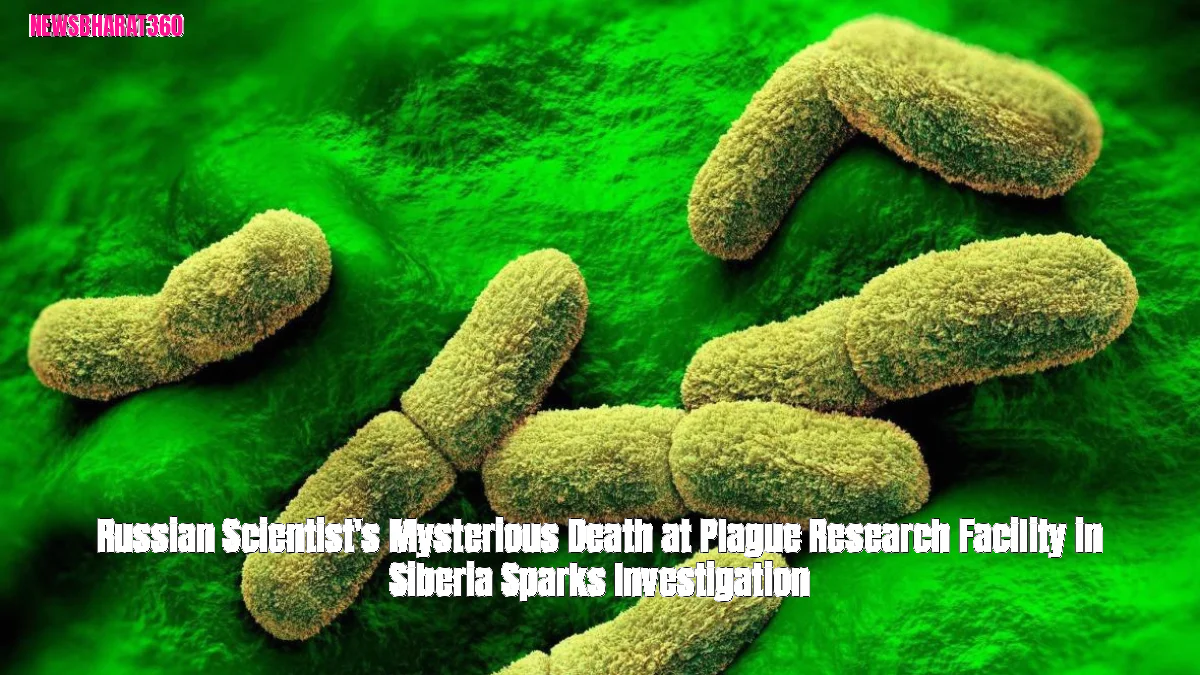
The plague is a bacterial infection caused by Yersinia pestis. The World Health Organization notes that the pneumonic form of the disease can spread between individuals through respiratory droplets and is often fatal if left untreated. Fortunately, prompt antibiotic treatment can be highly effective in managing the condition when administered early in the course of the disease.