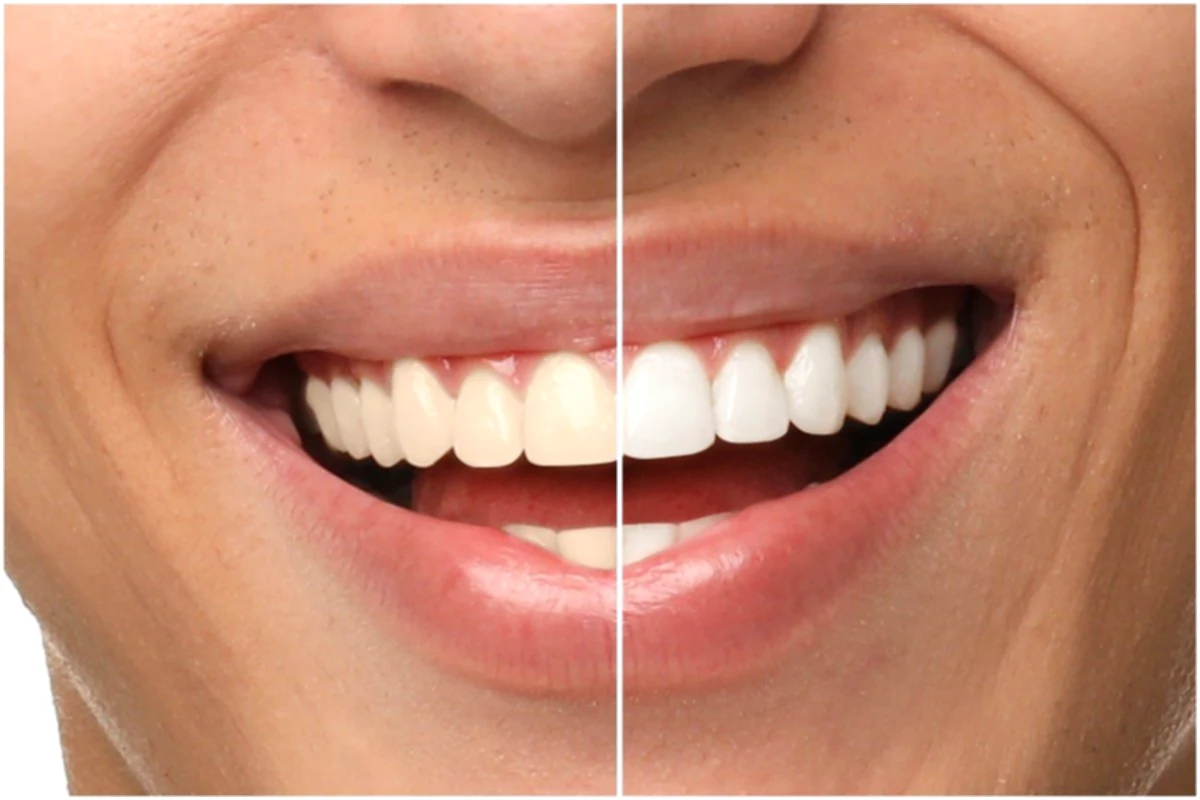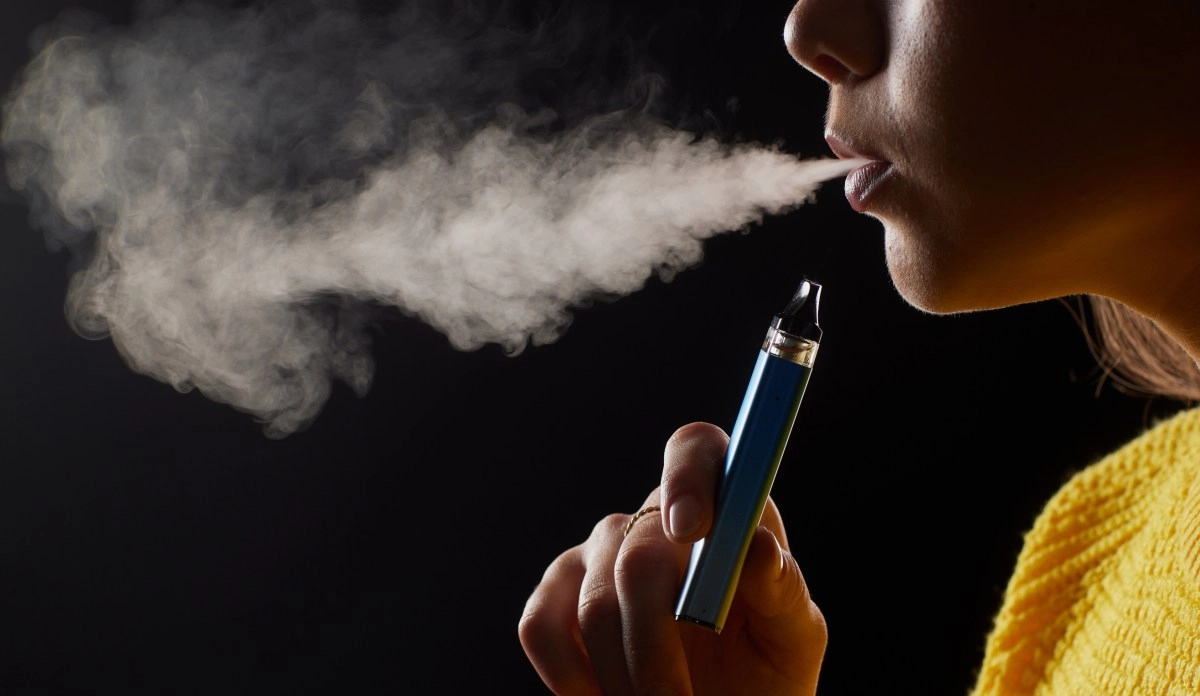

For almost two decades, electronic cigarettes were sold as the “clean” alternative to tobacco: without combustion, without tar, without the characteristic smell of the traditional cigarette. But the latest scientific evidence calls that promise into question, at least when it comes to oral health.
A scientific review published on June 21, 2026 in the journal Carcinogenesis, led by researchers at the University of New South Wales (UNSW Sydney) in Australia, concluded that electronic cigarettes with nicotine probably cause lung and oral cavity cancer.
The work, led by Associate Professor Bernard Stewart, brought together researchers from the University of Queensland, Flinders University, the University of Sydney and several Australian hospitals, combining the views of pharmacists, epidemiologists, thoracic surgeons and public health specialists.
According to Dentistry IQ, Stewart himself noted that, to his team's knowledge, this is the most definitive determination yet that those who vape have a higher risk of cancer than those who do not.
Why were there no certainties until now?
The main reason is time. Vaping has only been available for about twenty years, so there are still no long-term epidemiological data comparable to those that exist for tobacco, which has been studied for a century. That lack of historical perspective had turned medical advice on the risks of vaping into a gray area, further complicated by the fact that many users adopted it as a method to quit smoking.
In the absence of decades of population monitoring, researchers turned to another type of evidence: the analysis of carcinogenic compounds present in the liquids and aerosols of vapers. The aerosol from electronic cigarettes contains a mixture of substances linked to cancer, including nitrosamines, toxic gases and metals that are released from the device itself.
What happens inside the body
The damage, according to this review, does not appear out of nowhere or suddenly. It occurs at the cellular level, where DNA damage, oxidative stress and inflammation silently accumulate long before any visible symptoms arise. This process? slow, cumulative and invisible in its first phases? It's part of what explains why detecting the link to cancer required so much observation time.
An additional piece of information is of particular concern to specialists: combining the consumption of traditional cigarettes with vaping does not reduce harm, but rather considerably increases the risk of lung cancer, denying the idea that alternating both habits can work as a harm reduction.
It is not the first alarm signal
This 2026 revision does not appear in isolation. Previous studies had already identified worrying signs, although with a lower degree of certainty. An investigation from 2023 on oral epithelial damage in vape users, and another from 2024 focused on whether electronic cigarettes represent a safe alternative against oral cancer, had been pointing in the same direction without reaching such conclusive conclusions. A systematic review published in early 2025 in Oral Medicine also identified cellular damage, genetic instability, and mucosal lesions associated with vaping, although it acknowledged that the safety of long-term use remained unknown.
Added to this is a contextual fact that worries oncologists: lip and oral cavity cancers already represent a growing health burden worldwide, with more than 400,000 new cases documented in 2021 and mortality that has doubled since 1990, according to the Global Burden of Disease. Although this increase is mainly explained by tobacco, alcohol and chewing tobacco, the emergence of vaping as an additional factor is precisely what the new review puts on the table.
background message
Beyond methodological nuances, the scientific consensus has clearly moved in one direction: from initial uncertainty toward well-founded concern. Vaping is no longer presented as a harmless alternative and is now being studied, with increasing evidence, as a real risk factor for oral and lung cancer, especially among those who combine it with traditional tobacco or maintain the habit for years.
For oral health professionals, the recommendation is clear: any persistent lesions in the mouth, gums or tongue in a person who vapes should be evaluated without assuming that the product is “safer” than traditional cigarettes.