Doctors are highlighting the importance of making some clever changes during February, Heart Month in the United States, as opposed to an expensive diet reform or tight having regulations.
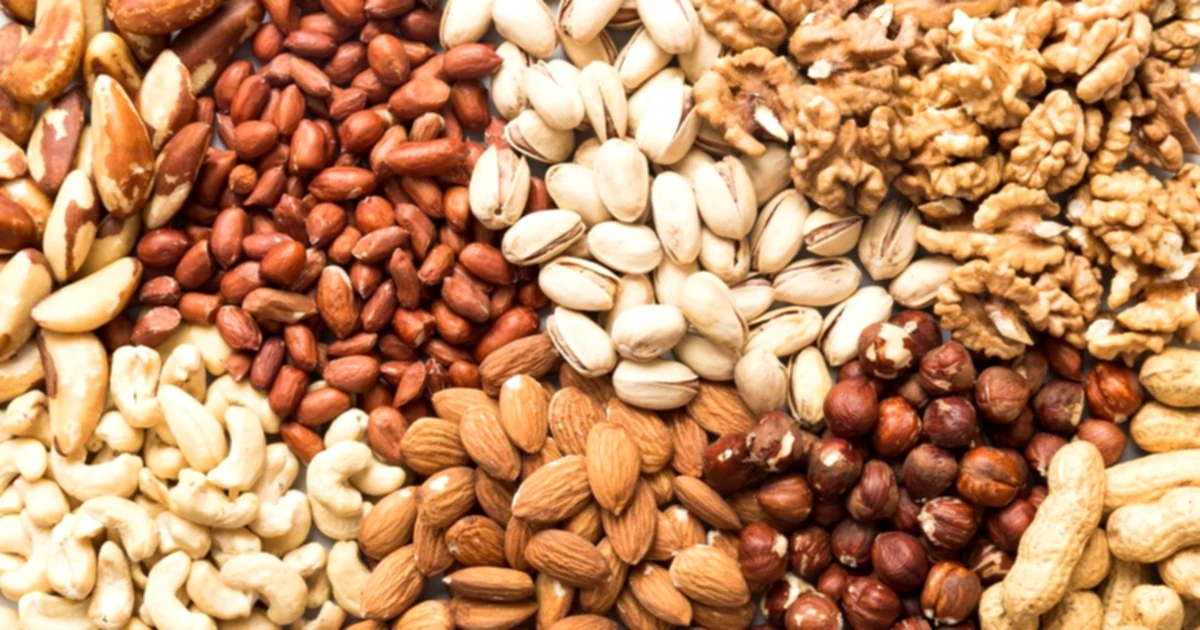
It's crucial to concentrate on adding healthier foods rather than eliminating them, says Tara Schmidt of the Mayo Clinic. Smaller, enduring changes are essential. " Heart-healthy" or even "low-sodium" doesn't mean bland," Schmidt adds. Experts insist that smaller adjustments are sufficient and will improve health. According to Fox News Digital, seasoning meal with herbs, spices, or lemon instead of adding salt is possible. They state that the aim is not perfection but instead adaptations that can be sustained over time. Fatty fish are considered to be important heart-health foods. Omega-3 fatty acids are a key component of fatty fish, such as salmon and tuna, and should be a normal meal. Canning options are both affordable and easy. lentils and beans. The potassium and fiber content of beans and lentils is crucial for brain wellness. These products can be purchased packaged and are affordable. Whole grains are important when replacing refined sugars. Look for recipes that include "whole grain" in the materials. A heart-healthy meal may consist of fruits and vegetables. When new versions are in season, frozen varieties are a great substitute. Nuts and seeds are high in good fats, and they should be viewed as a healthier substitute to salty snacks.
Application Methodologies
Changes may be steady and reasonable in order to maintain viability. Experts recommend three guidelines: cut down on red meat consumption, include a rainbow of fruits and vegetables daily, and stick to food that are recognized as "real food. "
Results of Change
Long-lasting health benefits are promoted by following healthy eating suggestions, such as a healthy diet rich in fruits, vegetables, whole grains, and lean protein.
advantages for cardio health High blood pressure, high cholesterol, and heart disease are all less likely to occur when consuming a diet low in saturated fat and calcium. Less vascular infection and improved long-term heart function are the results.
autoimmune disease prevention Cutting back on sugary and highly processed foods helps reduce fat, type 2 diabetes, and some cancers.
These behaviors are linked to a longer life expectancy and a lower Alzheimer's risk, according to research.mental and cognitive wellness Resveratrol, for example, is present in some products to enhance memory and stop mental decline. Short-term memory loss and chronic stress are prevented by avoiding bad food.
improved defensive and spine health. A higher consumption of magnesium, vitamin D, and antioxidants helps to strengthen bones, complexion, and immune systems, thereby reducing cavities and anemia. This encourages a healthy old time without significant health issues.