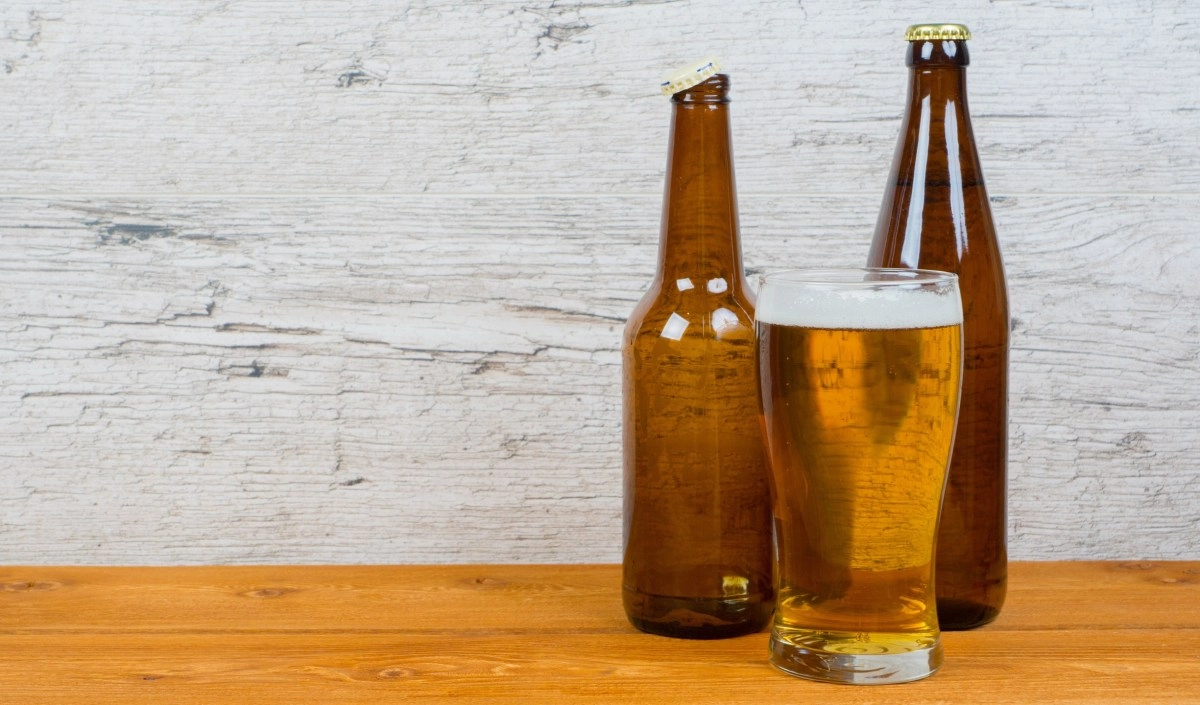

The rise of gluten-free diets and the increase in the diagnosis of celiac disease have promoted, in the last decade, a segment that a few years ago was almost non-existent on the shelves: gluten-free beer.
However, contradictory statements circulate around this drink, from those who consider it a simple marketing strategy to those who believe it is suitable for anyone with wheat sensitivity.
We review what is true and what is not true in the most widespread beliefs.
Myth: “All gluten-free beer is made without barley or wheat”
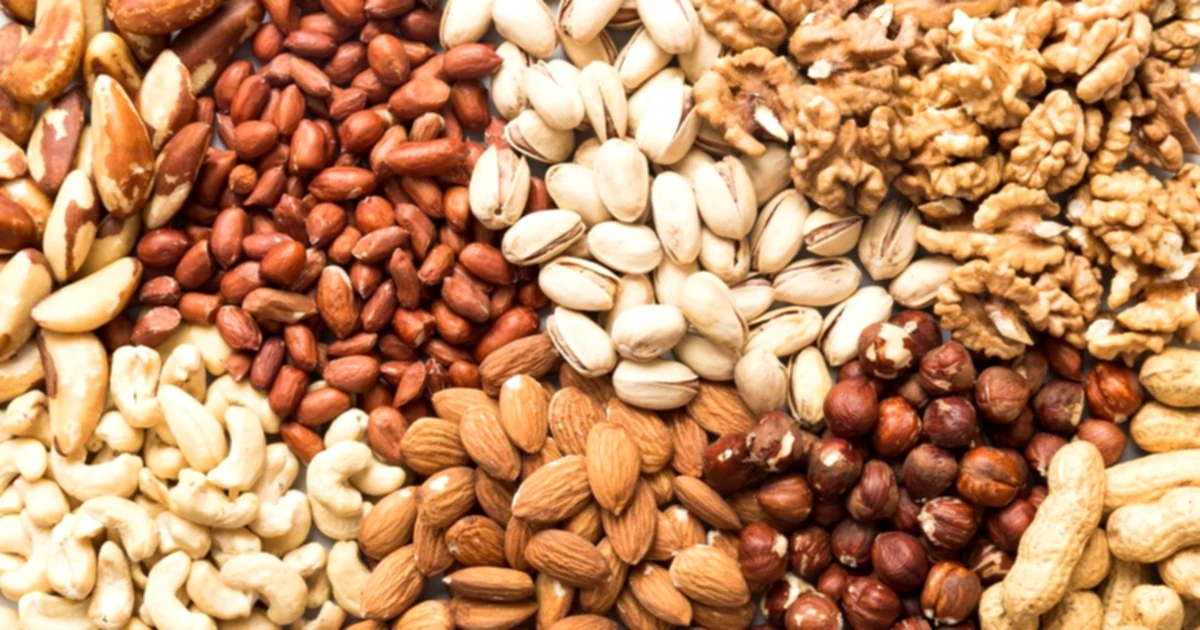
False, with nuances. There are two different ways to produce gluten-free beer. The first consists of using cereals that naturally do not contain this protein, such as sorghum, rice, corn or millet, as a complete replacement for barley and wheat. The second—more common among large brands—starts with beer made with traditional barley, to which an enzymatic process is then applied that fragments the gluten chains until they are reduced below the thresholds permitted by law. This second type is usually called “reduced gluten beer” and is not always safe for people with celiac disease, although its labeling sometimes causes confusion.
Truth: Celiac disease requires a different criterion than simple gluten sensitivity
For those who suffer from celiac disease, an autoimmune condition, even trace amounts of gluten can trigger intestinal damage, even if there are no immediate symptoms. That is why health organizations recommend that people with celiac disease prioritize beers made from source with gluten-free grains, certified by specialized organizations, and avoid those that only reduced their content through enzymatic processes, unless there is clear and reliable evidence on residual levels.
Myth: “If it is gluten-free, it is healthier or lighter”
Fake. The absence of gluten does not mean fewer calories, less alcohol or better nutritional properties. In fact, some gluten-free beers made with sorghum or rice can have a calorie profile similar to—or even higher—than a conventional beer. The “gluten-free” label responds to a question of protein composition, not to a general health criterion.
Truth: The legal threshold varies by country
International regulations are not uniform. In the European Union and several Latin American countries, the usual limit for a product to be labeled “gluten-free” is 20 parts per million (ppm). In Argentina, for example, the legislation is stricter and requires the total absence of detectable gluten, which is why many “reduced gluten” beers manufactured in other markets cannot be marketed there under that name. This regulatory disparity explains much of the confusion consumers face when traveling or purchasing imported products.
Myth: “The taste of gluten-free beer is noticeably inferior”
Half truth. During the first years of development of these beers, the absence of barley—responsible for much of the drink's traditional body and texture—generated products with flatter or waterier profiles. However, advances in malting techniques for sorghum, millet and other grains, added to the incorporation of more aromatic hops, have allowed this gap to be significantly shortened in recent years. Today there are specialized craft breweries that produce gluten-free varieties recognized for their sensory quality, comparable to their traditional versions.
Truth: Cross contamination is a real risk
Even a beer made with gluten-free grains can become contaminated if it is produced in facilities where barley or wheat is also processed, either by using the same tanks, bottling lines or utensils without proper cleaning. For this reason, independent certifications—which audit not only the recipe, but also the production process—are the most reliable reference for celiac consumers, above what the commercial label alone indicates.
The recommendation of the specialists
Health professionals agree on one point: when in doubt, the person with celiac disease should check the certification of the product—not just the “gluten-free” legend—and, in case of symptoms or particular concerns, consult with their doctor or nutritionist before incorporating a new brand into their diet. For the rest of the consumers, without medical restrictions, choosing a gluten-free beer is simply a matter of flavor preference, with no proven additional health benefits.