
A study from the University of Manchester reveals that exposure to bright, constant light during the day could facilitate better nighttime sleep. Participants with greater access to daylight tended to sleep and wake up earlier, as well as experience deeper sleep.
Sleep experts, such as Dr. Jennifer Martin, clinical psychologist and professor at Florida International University's Herbert Wertheim College of Medicine, interviewed by Fox News Digital, emphasize the importance of morning light in regulating sleep cycles. They recommend taking advantage of sunlight in the morning to encourage healthy sleep habits, while limiting bright light before bed is also crucial.
The findings, published in the journal NPJ Biological Timing and Sleep, were based on more than 500 days of data collected from 89 adults who wore light sensors and sleep tracking devices while keeping daily sleep diaries.
Benefits on sleep quality
The research showed that participants who spent more time exposed to daylight generally fell asleep and woke up earlier than those with less light exposure. It also concludes that those who had more constant exposure to daylight experienced healthier sleep patterns and longer deep sleep at the beginning of the night.
"Light affects human sleep through a specific pathway, which begins in the eye," said Martin, who was not involved in the study.
He explained that “when light hits specific cells in the retina, it tells the brain that it is daytime, which means we should be alert and active.”
As morning light is especially beneficial, it helps keep the body's sleep-wake cycle constant, so it is recommended to spend time outdoors early in the morning whenever possible.
"Exposure to sunlight early in the day is very beneficial for restful sleep. Regular morning light helps people feel sleepy at around the same time each night and establish a good sleep routine," he adds. While limiting exposure to bright light at night can also help improve sleep.
Limitations of the study
Despite the positive findings, the researchers caution about the study's limitations, such as the lack of proof of causality between daylight and sleep patterns.
An indirect approach was used to measure light exposure, which may affect the interpretation of the results.
Better use of daylight
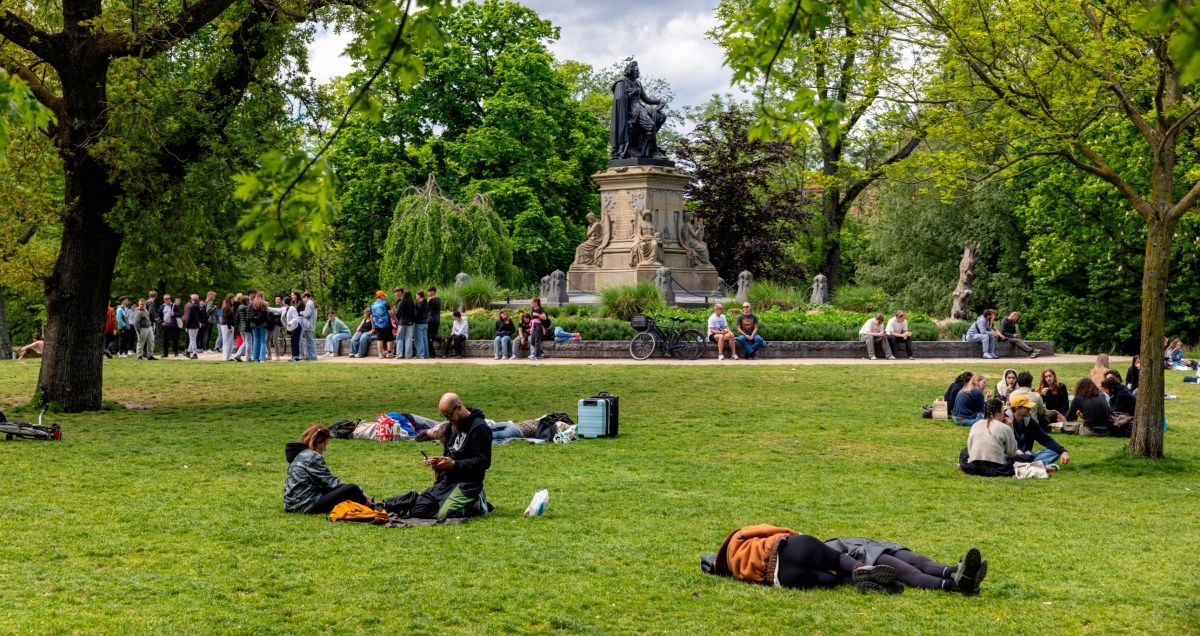
The habits that most help daylight promote restful sleep are exposing yourself to natural light in the morning, moving outdoors during the day, and reducing artificial light at night. It also helps to maintain regular sleep, meal, and physical activity schedules.
Habits that impact the most
What to avoid
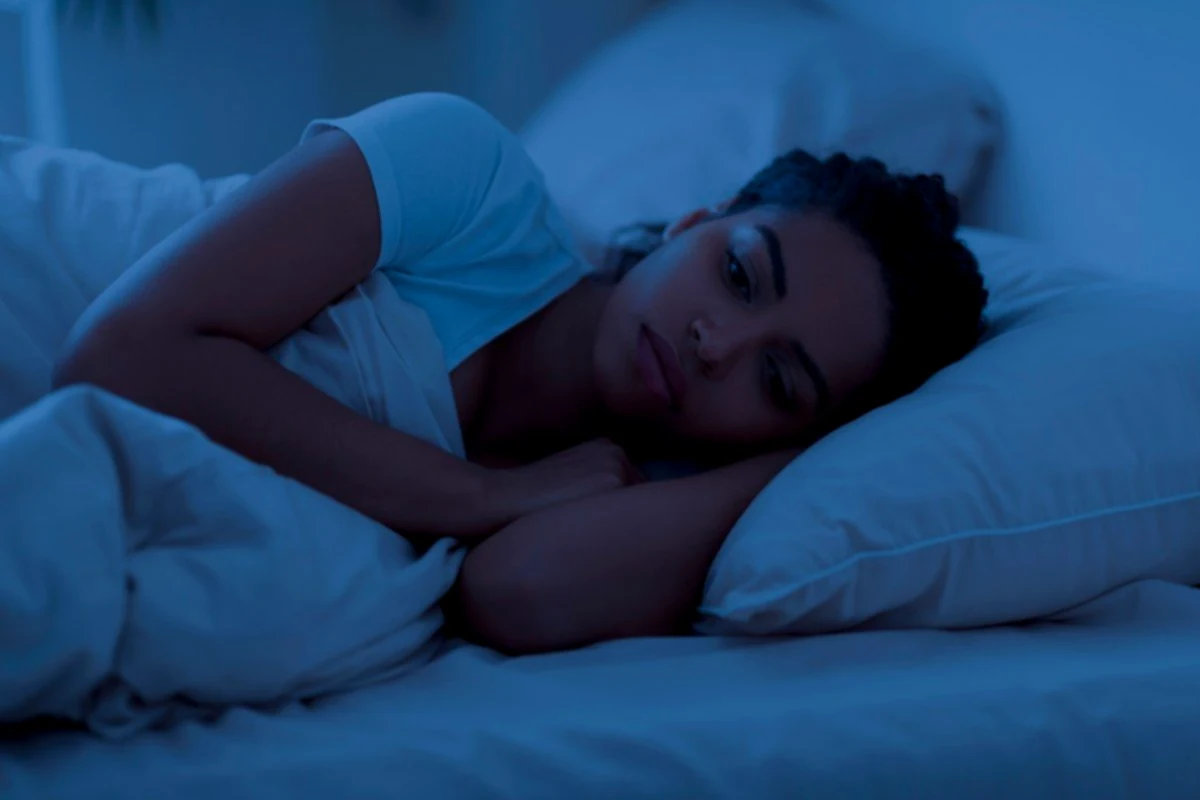
Spending all day indoors with little natural light can weaken the circadian signal, while bright light and screens at night can delay sleep. It is also advisable to avoid sleeping with lights on and keep the bedroom dark.
Practical example
A simple routine would be: open curtains when you wake up, walk for 15–30 minutes in the morning, go outside for a few minutes at noon if you can, and after dinner, dim the lights and limit screens. That pattern reinforces the difference between day and night, which is key to better sleep.